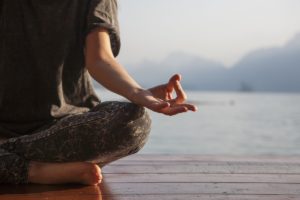
The holistic approach to healing is a comprehensive and integrated approach that considers the whole person – body, mind, and spirit – in the quest for optimal health and wellness. It recognizes that all aspects of an individual are interconnected and that true healing involves addressing not only the physical symptoms but also the emotional, mental, and spiritual well-being of a person. This approach emphasizes the importance of treating the root cause of an illness or imbalance rather than just managing the symptoms. It also encourages individuals to take an active role in their own healing process by making lifestyle changes and adopting practices that support their overall well-being.
Holistic healing encompasses a wide range of modalities and practices, including nutrition, exercise, mindfulness, meditation, energy healing, and alternative therapies such as acupuncture and herbal medicine. It also emphasizes the importance of creating a supportive and nurturing environment that promotes healing on all levels. By taking a holistic approach to healing, individuals can experience profound transformations in their health and well-being, leading to a more balanced and fulfilling life.
The holistic approach to healing is rooted in the belief that the body has an innate ability to heal itself when given the right support and conditions. It recognizes that the mind and body are interconnected and that emotional and mental well-being play a crucial role in overall health. By addressing all aspects of a person’s being – physical, emotional, mental, and spiritual – holistic healing seeks to create a harmonious and balanced state of wellness that supports the body’s natural healing processes. This approach also acknowledges the impact of lifestyle, environment, and personal beliefs on health and encourages individuals to make conscious choices that support their well-being. By embracing the holistic approach to healing, individuals can experience profound transformations in their health and well-being, leading to a more balanced and fulfilling life.
Nourishing the Body for Physical Recovery
Nourishing the body is a fundamental aspect of the holistic approach to healing. Proper nutrition provides the essential building blocks for physical health and supports the body’s natural healing processes. A diet rich in whole, unprocessed foods, fruits, vegetables, lean proteins, and healthy fats can provide the nutrients necessary for optimal health and vitality. It is also important to stay hydrated by drinking plenty of water and herbal teas to support the body’s detoxification processes and maintain proper function of all bodily systems.
Regular physical activity is another key component of nourishing the body for physical recovery. Exercise not only helps to strengthen muscles and improve cardiovascular health but also supports mental well-being by releasing endorphins and reducing stress. Engaging in activities such as yoga, tai chi, or qigong can also help to balance the body’s energy systems and promote overall well-being.
In addition to nutrition and exercise, rest and relaxation are essential for physical recovery. Getting an adequate amount of sleep each night allows the body to repair and regenerate, while practices such as meditation, deep breathing, and massage can help to reduce stress and promote relaxation. By nourishing the body through proper nutrition, regular exercise, and adequate rest, individuals can support their physical recovery and overall well-being.
Cultivating Mental Wellness for Emotional Healing
Cultivating mental wellness is an important aspect of the holistic approach to healing, as emotional well-being plays a significant role in overall health. Practices such as mindfulness meditation, journaling, and therapy can help individuals to process and release emotional trauma, reduce stress, and cultivate a greater sense of inner peace. These practices can also help individuals to develop greater self-awareness and self-compassion, which are essential for emotional healing.
Engaging in activities that bring joy and fulfillment can also support mental wellness. Spending time in nature, pursuing creative hobbies, or connecting with loved ones can help individuals to experience positive emotions and reduce feelings of anxiety or depression. Cultivating a positive mindset through gratitude practices and affirmations can also support emotional healing by shifting focus away from negative thoughts and emotions.
In addition to these practices, seeking support from mental health professionals or joining support groups can provide individuals with the tools and resources they need to address emotional challenges and develop healthy coping strategies. By cultivating mental wellness through mindfulness practices, engaging in activities that bring joy, seeking support when needed, individuals can support their emotional healing and overall well-being.
Connecting with Spirituality for Inner Peace
Connecting with spirituality is an important aspect of the holistic approach to healing as it provides individuals with a sense of purpose, meaning, and inner peace. Spiritual practices such as prayer, meditation, or spending time in nature can help individuals to connect with something greater than themselves and find solace in times of difficulty. These practices can also provide individuals with a sense of belonging and community, which is essential for overall well-being.
Exploring one’s personal beliefs and values can also support spiritual connection and inner peace. Engaging in activities that align with one’s values or participating in rituals or ceremonies that hold personal significance can help individuals to feel more connected to themselves and others. Seeking guidance from spiritual leaders or mentors can also provide individuals with support on their spiritual journey.
In addition to these practices, engaging in acts of service or giving back to others can help individuals to feel a sense of purpose and fulfillment. Volunteering or participating in charitable activities can provide individuals with a sense of connection to others and contribute to their overall sense of well-being. By connecting with spirituality through personal practices, exploring beliefs and values, seeking guidance from spiritual leaders, engaging in acts of service individuals can find inner peace and support their overall well-being.
Integrating Mind-Body Practices for Overall Wellbeing
Integrating mind-body practices is an essential aspect of the holistic approach to healing as it recognizes the interconnectedness of the mind and body in overall well-being. Practices such as yoga, tai chi, qigong, or dance can help individuals to balance their energy systems, reduce stress, and promote relaxation. These practices also support physical health by improving flexibility, strength, and cardiovascular function.
Mindfulness meditation is another powerful mind-body practice that can support overall well-being by reducing stress, improving focus, and promoting emotional resilience. By cultivating present-moment awareness through meditation, individuals can develop greater self-awareness and self-compassion while reducing negative thought patterns that contribute to emotional distress.
In addition to these practices, breathwork techniques such as deep breathing or pranayama can help individuals to regulate their nervous system and promote relaxation. These techniques can be particularly beneficial for individuals who experience anxiety or have difficulty managing stress. By integrating mind-body practices such as yoga, tai chi, qigong, dance mindfulness meditation breathwork techniques individuals can support their overall well-being on physical, emotional, mental levels.
Embracing Holistic Therapies for Comprehensive Healing
Embracing holistic therapies is an important aspect of the holistic approach to healing as it provides individuals with a wide range of modalities to support their overall well-being. Therapies such as acupuncture, chiropractic care, massage therapy, or energy healing can help individuals to address physical imbalances or discomfort while promoting relaxation and stress reduction.
Herbal medicine is another powerful holistic therapy that can support comprehensive healing by providing individuals with natural remedies for a wide range of health concerns. Herbal remedies can be used to support digestion, reduce inflammation, promote sleep or boost immune function without the side effects often associated with pharmaceutical medications.
In addition to these therapies, energy healing modalities such as Reiki or Healing Touch can help individuals to balance their energy systems promote relaxation reduce stress while supporting emotional well-being. These therapies work on an energetic level to promote balance within the body-mind-spirit system while supporting overall health.
By embracing holistic therapies such as acupuncture chiropractic care massage therapy herbal medicine energy healing modalities individuals can support comprehensive healing on physical emotional mental levels while promoting relaxation reducing stress.
Sustaining a Holistic Lifestyle for Long-Term Recovery
Sustaining a holistic lifestyle is essential for long-term recovery as it provides individuals with the tools resources they need to maintain optimal health wellness over time. This includes adopting healthy eating habits such as consuming whole unprocessed foods fruits vegetables lean proteins healthy fats while minimizing intake of processed foods sugar artificial additives.
Regular physical activity is another important aspect of sustaining a holistic lifestyle as it supports cardiovascular health muscle strength while promoting mental well-being through release endorphins stress reduction. Engaging in activities such as yoga tai chi qigong dance can also help individuals balance their energy systems promote relaxation.
In addition to these practices rest relaxation are essential for sustaining a holistic lifestyle long-term recovery. Getting adequate sleep each night allows body repair regenerate while practices such as meditation deep breathing massage can help reduce stress promote relaxation.
By sustaining a holistic lifestyle through healthy eating habits regular physical activity rest relaxation individuals can maintain optimal health wellness over time supporting long-term recovery on physical emotional mental levels.
If you are interested in learning more about medication-assisted treatment for alcohol addiction, beyond just Naltrexone, check out this article by Dr. Roland Engelbrecht. Medication-Assisted Treatment for Alcohol Addiction: Beyond Naltrexone offers valuable insights into alternative approaches to treating alcohol addiction.