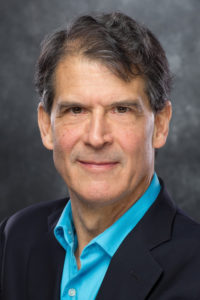
Unveiling the Layers of Addiction: A Journey with Paul Perrier
In a deeply moving episode of a notable podcast, hosted by Mark Leeds, D.O., viewers are granted an intimate glimpse into the life and work of Paul Perrier, a multifaceted artist with a poignant story to tell. Perrier, once a photographer turned documentary filmmaker, has carved out a unique space in the realm of visual storytelling, focusing on the raw and often unexplored territories of human struggle, resilience, and the transformative power of art.
The Genesis of “Crack Not Broken”
Central to the discussion is Perrier’s groundbreaking documentary, “Crack Not Broken,” an unflinching look at the life of his ex-wife’s oldest friend who spiraled into prostitution to feed her crack cocaine addiction. Captured in a single hour within a Toronto hotel room, this piece stands as a testament to Perrier’s dedication to truth-telling through his lens. But more than that, it’s a vehicle for change, aimed at sparking conversations on addiction and potentially guiding others toward the path of recovery.
From Personal Tale to Public Platform
Perrier’s journey from behind the camera to the author of “Cracked Wide Open,” a memoir detailing his evolution as an artist and the recovery stories he’s chosen to spotlight, paints a vivid picture of a man who has seen the darkest corners of human experience yet remains hopeful. His work, particularly “Crack Not Broken,” transcends personal narrative to touch the lives of many, earning recognition on platforms as significant as the Oprah Winfrey show and an HBO addiction series.
The podcast conversation explores the documentary’s creation, its impact, and the broader implications of addiction in society. Perrier shares insights into the documentary’s real-time unfolding and the unexpected journey that followed, transforming not only the subject’s life but also those of viewers worldwide.
The Power of Art in Healing
One of the most compelling aspects of Perrier’s story is his belief in art as a critical component of the healing process. Whether it’s battling addiction or other forms of personal struggle, Perrier views art as a unique conduit for recovery and understanding. This belief is not only theoretical but also practical, as seen in his work’s ability to inspire change and foster empathy among its audience.
A Broader Conversation on Addiction
The dialogue between Perrier and Leeds extends beyond individual stories to address the complex nature of addiction itself. They explore the stigma surrounding addiction, the challenging path to recovery, and the role of trauma in the development of addictive behaviors. This conversation also highlights the modern challenges of digital addiction, drawing parallels between substance abuse and the compulsive use of technology.
Inspiring Future Artists and Advocates
For aspiring filmmakers and artists, Perrier’s journey offers both inspiration and caution. The path of an artist, especially one dedicated to uncovering uncomfortable truths, is fraught with challenges. Yet, Perrier’s experiences underscore the profound impact art can have on both the creator and the audience. His story is a powerful reminder of art’s potential to catalyze conversation, promote understanding, and ultimately, drive societal change.
Read more: Learn How to Rebuild Your Life After Addiction And Avoid Critical Missteps
Paul Perrier’s conversation with Mark Leeds, D.O., sheds light on the intricate web of addiction, the healing power of art, and the indomitable human spirit. Through “Crack Not Broken” and “Cracked Wide Open,” Perrier not only documents the human condition in its most vulnerable states but also offers hope and inspiration for those caught in the throes of addiction. His work stands as a beacon for aspiring artists and anyone who believes in the transformative power of storytelling. As we navigate the complexities of modern life, stories like Perrier’s remind us of the enduring strength found in compassion, art, and the shared human experience.
Transcript
Mark Leeds, D.O. [00:00:13]:
Welcome to the podcast.
Paul Perrier [00:00:17]:
Thanks a lot, Mark. Great to be here.
Mark Leeds, D.O. [00:00:20]:
Thank you. So, yeah, I I see you have a you have a book out, and you had made a documentary at some point on a very low budget. And I can’t wait to hear more of the story. And and it really took off and and, got the attention of some very interesting well known people. So, yeah, please tell us the story about that.
Paul Perrier [00:00:40]:
Okay. Well, the the book, that I’ve written is called Cracked Wide Open. It’s a book it’s a memoir about my life as a artist, a photographer, then I became a documentary filmmaker, and it revolves around a documentary that I shot 20 years ago called Crack Not Broken. And Crack Not Broken is is a real time documentary. It wasn’t planned, and it’s a story about my ex wife’s oldest friend who became a prostitute to support her crack cocaine habit. And it was shot in a hotel room in downtown Toronto in an hour. And we used the film to try to help the subject, get to sobriety. And if that didn’t help that happen, we were hoping that it would help other people.
Paul Perrier [00:01:50]:
Her story would help other people, inspire other people to keep trying to quit or get off drugs.
Mark Leeds, D.O. [00:02:02]:
And, that you were you were actually on Oprah, right, on Oprah Winfrey on the Oprah show?
Paul Perrier [00:02:08]:
Yep. Yep. So I screened this film, for the first time in September on September 12, 2005 at a theater 2 blocks from here, a repertory theater, and I invited family and friends and anybody who, you know, I had worked with to come. I think about a 100 people showed up. And, we screened the film and subject and I answered questions after. And after that, the film took on a life of its own. And then almost 9 months later to the day, we were on the Oprah Winfrey Show. Lisa was.
Paul Perrier [00:02:54]:
And, they were talking about my film or the film, our film. And that led to it being one of 4 independent films included in HBO’s addiction series in 2007. So it went my film from, you know, showing it to friends, went around the world, and part of what my book is about is the reaction that my film that that film got from people because anybody who saw it, if you didn’t react to this film, you’re not human in some sense. Had you ever heard of my film?
Mark Leeds, D.O. [00:03:39]:
Yeah. Yeah. I’d heard of it. I have honestly, I have not seen the whole thing all the way through, and I and I really wanna watch it now. I’ve seen parts of it. Yeah. And and it and it really yeah. It does grab your attention.
Mark Leeds, D.O. [00:03:48]:
I mean, just, the story because it’s you know, she her it I think her drug of choice is crack. Right? Which I think is where the name comes from of the film. And the, and it it you know, I think people kinda joke about crack. You know, it just comes up in conversation. And it’s really an extremely tough addiction to overcome. I mean, opioids are tough. And, I mean, opioids are are much more deadly than crack. I mean, crack addicts seem to kinda linger around forever.
Mark Leeds, D.O. [00:04:18]:
Not too many people know. I mean, they they die from crack overdoses and medical conditions and and HIV and things like that. But for the most part, not too many people know crack addicts who have died from from crack. But everybody knows an opioid addict who’s died from an opioid overdose, unfortunately. But crack is probably maybe a more difficult thing to overcome. I’ve even heard in the nineties, I remember hearing someone say that someone say that that a lot of crack addicts are switching over to heroin because it’s easier on them and and gives them a path maybe to to to get get into recovery. You know? That it’s such a hard thing to get over. And, you know, and and you just go and I guess it’s the kind of thing where, like, smoking or overeating, you just make light of it.
Mark Leeds, D.O. [00:05:05]:
You’re like, well, maybe I’ll quit tomorrow. And and and but you just you just see it. And it it doesn’t not like, maybe like opioids or alcohol where you black out. You actually see your life falling apart around you and very vividly, and and you’re very aware of what’s happening. And it’s just a horrible way to descend into a life of degradation that just is very difficult to get to get out of. Yeah. So
Paul Perrier [00:05:30]:
Yeah. I mean, I was the I was really exposed to the world of addiction. I went into it, you know, wanting to help a friend in the only way I really could, which was by using my art. And I believe that art actually plays a an important role in the healing process, whether it be drugs or whatever addiction. I mean, my other thought is that we all have addictions, that there we all have something that takes us away from the, you know, grim realities of the world we live in today. And my mine is art. And, you know, I’ve I’ve like a drug addict, I get highs from, when my work is being shown and especially when my work is being shown and especially influencing people or inspiring people or talking to somebody like you who, you know, I don’t know. We never met before, but you have your podcast and are trying to help people.
Paul Perrier [00:06:31]:
That’s what my book’s about too. And in that book, I tell, the story of my life and how I got to that room.
Mark Leeds, D.O. [00:06:42]:
Wow. And if somebody were an aspiring filmmaker today and and interested in in becoming a filmmaker or making a career of it, would would it be helpful to read your book to get started there?
Paul Perrier [00:06:55]:
Wow. Yeah. For sure. It it would. I mean, it might, it might dissuade them from doing it. I mean, art is a hard, hard thing to do, you know, and I I’m very honest about my journey as an artist. I mean, it started when I was 12 years old when I took my first photograph. It was a Polaroid Polaroid image, and I was 12 years old.
Paul Perrier [00:07:24]:
And when I saw that picture develop in front of my eyes, this was, you know, long before digital imaging and stuff, it that was magic to me. And, you know, I guess it’s like, would have been like, I don’t know, Hendrix picking up a guitar or something. It changed my life, and I’ve taken photographs since, you know, I’ve documented my life, which is interesting. I’ve because I’ve led a kind of interesting life. It’s a it’s a it’s not a normal life being an artist.
Mark Leeds, D.O. [00:08:02]:
Yeah. And, like, has that has that like, have you been able to, throughout your career, like, has that been you’ve been able to, survive as an artist? Like, that’s your your income? I mean, because I I think a lot of people love to be a a professional artist, and it just, at times can seem impossible. Especially these days where, you know, everybody everybody is a content creator and putting stuff out there. Now we have AI, and and that’s terrifying everybody. But, yes. So you’ve made a career of being an artist?
Paul Perrier [00:08:34]:
Well, yeah, I made a career of being a commercial artist. I grew up in Montreal, and I moved to Toronto when I was 31 years old to pursue photography. And, yeah, I I I had a client. I was shooting for ad agencies, magazines. It it went my photography career went further than I actually ever thought it would. But then in 2007, what we’re talking on now came out, and that leveled me as a photographer. It’s like because everybody could do it and do it well, and you didn’t need any knowledge. You could, you know, cameras take the, these phones take amazing pictures now, but, you know, you buy a good digital camera, you just have turn it on, put it on automatic, and it takes amazing pictures.
Paul Perrier [00:09:35]:
So that had a huge effect on my career where Well, my career, took a nosedive. And and it’s part of the reason why I started making documentaries because I use the same technology that was hammering me to make films. And, you know, that’s the film we’re talking about cost me $45 to shoot.
Mark Leeds, D.O. [00:10:04]:
Wow. And well, you didn’t have it. There was no iPhone back then. Right? So you definitely did not. But I know they had some decent cameras. Like, pre iPhone, they had those you know, you could even record to an SD card at 7:20 p video. So there was some pretty good equipment even at that time.
Paul Perrier [00:10:18]:
Yeah. My the camera I used was, it was a Canon, just a regular camera. I didn’t bring lights. I didn’t bring a microphone. I didn’t know I didn’t go down there thinking I was shooting a film. I I was going down there to interview or to I knew I was recording because that’s part of the story, but I never thought that I’d walk out of there with this film, this powerful, powerful film, that, you know, when I saw it, I went, okay. I have a bit of a responsibility with this, I think. Like, my as you read it when you read the book, the first thing I wanted to do was just put it away and never see it again.
Paul Perrier [00:11:03]:
But then I went, no, there’s a reason this happened. And, I mean, I just that’s how it evolved. I just couldn’t get it out of my mind, and it still affects me to this day.
Mark Leeds, D.O. [00:11:18]:
Yeah. Did what what was your intention going was it for an intervention? Like, were you going the woman’s name was was Lisa. Right?
Paul Perrier [00:11:25]:
And Yeah. So, Lisa, it wasn’t an intervention at all. What it was was Lisa was at our house. So Lisa had been in and out of, rehab clinics, which is that what you are rehab rehab doctor? Is that correct?
Mark Leeds, D.O. [00:11:45]:
Yeah. Usually, outpatient. You know, people come to the office, or we do it with telemedicine and mostly, opioids, alcohol, and and also Benzodiazepine dependence, which is not really an addiction. It’s more of a and that’s an interesting new drug. Some drugs are are very addicting, psychologically addicting. Some cause physical dependence, with addiction, and some cause physical dependence without addiction. So, yeah, crack cocaine or regular cocaine does not have much of a physical withdrawal, but it’s very addicting. Opioids are both.
Mark Leeds, D.O. [00:12:16]:
Opioids are addicting and physical dependence, and the benzos are mostly just physical dependence without the addiction. So, yeah, like, sometimes people, like, just kinda think it’s all addiction. But, but yeah. That so but but, yeah, for crack cocaine, it’s not it’s kinda like, tuberculosis treatment before they had the antibiotics for it. And nobody really knew what to do, so they sent people off to these sanatorium places to get some fresh air, and and hopefully they would get better, at least keep them away from society. So, yeah, sending someone with a crack addiction to rehab is kinda like that. You hope for the best, but it’s not really a a great medical treatment.
Paul Perrier [00:12:53]:
Right. Right. So so she had been in a bunch of treatment centers over the years, and she’d get clean and then relapse when she got out. And, at one point, she was over at our house, for dinner, and she was clean. She’d been clean for a couple of months, I guess, and she was telling us stories about her life. And I asked her to look at a a it was a trailer I had made about a friend of mine who’s a very was in a very bad situation with drugs, and I had been shooting videotaping him for a while. And I thought I had real I thought I had captured something interesting about addiction. So I asked her if she would look at the trailer, and she looked at it, and she said, yeah, you really captured what it’s like to live as an addict in society.
Paul Perrier [00:13:50]:
And then before she’d left, she said, if I go back in if I ever go back into it, I’ll call you and you can interview me. So it was 6 months later, I get I hadn’t heard from her, get this call on a I think it was a Tuesday afternoon, and she just said, do you wanna come down and interview me? So I grabbed my camera and went and interviewed her. I didn’t know it wasn’t for film, and it wasn’t it certainly wasn’t an intervention.
Mark Leeds, D.O. [00:14:19]:
Okay. And, yeah. And I and I saw the I did see the trailer for it, which is really you know, I I recommend people look at that, and that really wants makes you wanna see the film. And and and I think she’s talking about, like, pricing, you know, how what she charges men for prostitution. And and the first thing, I’m thinking is like your prices are way too low. I mean, you should be charging 10 times that or something. But I guess that’s where the addiction comes in, is you know, it’s just about getting the money and probably, you know, not really thinking that that through, or I I don’t know how that works out. But
Paul Perrier [00:14:57]:
Yeah. I mean, I I think one of my biggest concerns when I got out of there was, like, I know the dangers of drug addictions, but the dangers I saw of her, how she was getting her drugs was that was Yeah. More alarming to me than anything. Like, talk about dangerous. Oh, yeah. I mean She was on her own.
Mark Leeds, D.O. [00:15:24]:
Yeah. I mean, just not I mean, not just the, risk of sexually transmitted illnesses, diseases. And, I mean, that’s a deadly thing right there. But, yeah, abuse, you don’t you don’t know who you’re bringing into the room. I mean, it could be someone that that’s very violent or, you know, a murderer. I mean, there’s you know? Yeah. Horrible. It’s a horrible situation to be in.
Mark Leeds, D.O. [00:15:45]:
And, and I think, you know, when people get into that situation of of crack addiction, especially, their entire world just becomes all about there’s money and there’s crack, and we I need to find a way to put them together without the police getting in the way of it. And there’s really not much more to to your thinking than that.
Paul Perrier [00:16:04]:
Yeah. I mean, she was a different person than the person I had met when I first moved to Toronto. Drugs had really changed her, and it was it’s sad, and it’s painful to watch, and it’s painful to live through, and drugs and addiction are they tear people apart.
Mark Leeds, D.O. [00:16:26]:
Yeah. Did did she, now I remember reading that at the, at the Oprah show that that she had, I think, 16 days clean at that point. Did did she ever have any any long term success, like, after that, or what happened after that?
Paul Perrier [00:16:44]:
Yeah. So when when she appeared on Oprah, she had just started a 2 month program in California. Because of the film, a treatment center in California offered her 2 months of free treatment. And so while she was there, we got this, opportunity to be on Oprah. It had been going on for a while, but it finally came up and they said, you know, if you’re gonna do it, it’s gotta be this time, this show. So we somehow pulled it together, and, she was 16 days clean when she got there. Then she went back, after right after the show to because the show was taped in Chicago, and she went right back to the treatment center, finished her 2 months in in California, then I went out to, at that point, we were shooting a a sequel documentary because my my concept was that I’m interest interested to see if this film can actually help a person get to sobriety. And it it was.
Paul Perrier [00:18:02]:
Like, it was it had changed her life, and she was, you know, making media appearances. Now all these things are hard too. Like, there’s a whole lot going on there. So Lisa was really brave to do all of this. But when she after California, we came like, I went out there, shot some stuff of her and some of the doctors who had treated her there, And I thought we had I thought it it was the Hollywood ending, literally, the Hollywood ending to this incredible story. And then when she got back to Toronto, she relapsed again and then, you know, kept trying, kept going back. She finally went into a long term treatment center outside of Toronto for a year and then went back to school and came back to Toronto, and she lives in Toronto now, and she she lives couple blocks from me. We don’t talk anymore if we haven’t for a long time.
Paul Perrier [00:19:17]:
I think the film and I assume the book might I do not sure she’s happy with it. But, again, it was I had never finished what I had set out to do, which was to, inspire people to to try to quit their addiction.
Mark Leeds, D.O. [00:19:43]:
Yep. So so she is alive and well and successful in her recovery probably for many years as far as we know? Yeah. Yep. That’s and and that by itself that’s inspiring. And if that film can and your book can help people maybe skip over some of that, you know, the the horrors of of what can happen and and addiction. I mean, because I think people get to certain points where they have to make a decision. Are they gonna cross a a certain line and be willing to do something that they were never willing to do before? And, you have to make that decision. Do I, you know, do I steal my friend’s wallet, or do I go to get help and go to a meeting or go to rehab? Or, you know, does someone make the decision to to go into prostitution or say that that’s a line I’m just not gonna cross? And, you know, maybe looking at your work, at your film and reading your book, that could help someone to, you know, may may make that make the right decision and say, you know, that that’s a line I really can’t cross.
Mark Leeds, D.O. [00:20:40]:
And I’m I’m gonna make that, you know, the final. That’s my bottom. I’m not going any lower than that.
Paul Perrier [00:20:46]:
Well yeah. And it totally did. It it achieved that because what my book chronicles is the the, the journey of the film and the responses I got from it. And, literally, there were people who wrote. We had a website at the time, and we’re blogging, saying if I didn’t see your film tonight, I’d think I’d be dead. So it, I’d it changed many people’s lives, and and I think it it’s also a good book for families of, of addicts because that’s one of the hardest things to watch somebody you love, especially if it’s a child or sister, brother, whatever, to be taken away like that.
Mark Leeds, D.O. [00:21:40]:
Yeah. Yeah. It’s it’s definitely very difficult for families. And it does help, I think, when someone you know, that’s why sometimes the parents or the siblings or or spouses of someone with an addiction, you know, they’ll go to support meetings and try to connect with other people going through the same thing to get a better understanding of it. And that’s something that you’re offering is is a, a look into that a view into that world of of what is it like. You know? What are they going through? And, you know, it’s not just a junkie on the street in a back alley or a cheap hotel room. It’s a real person who had a real life. And people have real stories.
Mark Leeds, D.O. [00:22:22]:
If you go up to anybody, you know, like who’s shooting up in an alley, that’s a person who had a job. They had parents. They grew up in a home. And not everybody grew up in a broken home or on the streets. I mean, you know, like, for example, Lisa, in your story, she had a had a very nice upbringing, grew up in a in a nice home, which is actually pretty, you know, more common than people think, I think. People do, can have pretty uneventful upbringings, you know, grow up in nice homes. They have all their toys and good school and nice neighborhood. And, somehow And they can
Paul Perrier [00:23:02]:
and they can afford it.
Mark Leeds, D.O. [00:23:04]:
Yeah. Yeah. One one thing leads to another. You know? There there’s there’s gateways. Now now everybody it’s popular now to to say cannabis or marijuana is completely safe. It’s not a gateway drug. In fact, I I was kinda shocked. I always knew it was a gateway drug.
Mark Leeds, D.O. [00:23:19]:
It seems obvious. I mean, there’s anything that can get a person intoxicated in a in a situation in a social situation that makes them more open to the possibility of trying something they wouldn’t normally try would be a gateway. So alcohol, marijuana. But, yeah, now when you look it up, everyone’s like, well, marijuana is not a gateway. Marijuana is like it cures everything and it’s harmless and it’s never hurt a single person, you know, which is not true. That’s just like the the pro cannabis. And and I’m not completely against it. I think it does help people.
Mark Leeds, D.O. [00:23:48]:
It definitely has, medicinal use, but it it can also be a gateway to to much worse things like crack and and fentanyl and heroin.
Paul Perrier [00:23:59]:
Yeah. I mean, I’d I agree with you. I my thing is any you can get addicted to anything. I’m we’re I live in Canada where pot is legal, and I’m a pot smoker. I’m not an addict. I Yeah. I use it I use it more for creativity, as a tool. But yeah.
Paul Perrier [00:24:23]:
So could it couldn’t smoking marijuana lead to further things? Yes. And but I think the the real thing that addicts have to deal with is the trauma that they’re they’re trying to cover up. Right? That’s I think addiction from what I’ve studied, I’m not a doctor, but I certainly looked into it and have been exposed to it because when this when the film started going out like it did when it got to, you know, going around the world, I was being inundated by people, reaching out to me going, would you tell my story? And then they tell me their story, and I just go, oh my god. Like, it just got worse and worse, and I and I, you know, I couldn’t because I’m I just didn’t have the capacity. I was there was so much going on in my life, but I definitely listened and responded to everybody and said, you know, good luck if if nothing else. But, yeah, it’s a it’s a tricky addiction still has this stigma to it that it, you know, it’s people who should just quit and just stop it and it but it’s not that easy, is it? You know, a smoker will tell you, like, which I think is the worst addiction, smoking cigarettes, but that’s legal. Yeah. And alcohol alcohol’s legal, and I drink alcohol, but you know, I’m glad I don’t have that problem because that’s as bad as any addiction, and it’ll kill you one way or the other if it takes control.
Mark Leeds, D.O. [00:26:11]:
Yeah. Alcohol is a very dirty drug that that’s and and really, there’s no good amount of alcohol. You know? Now they’ve they’ve come out with that where they say it’s there’s no completely safe amount of alcohol. But, you know, people there’s people that don’t have an alcohol addiction, and they can, you know, have a half a glass of wine now and then, you know, a sip of champagne once a year. But, yeah, it definitely alcohol is definitely a problem for people. Yes. Cigarettes, nicotine, some people would say it’s the most addicting drug on the planet. There’s nothing more addicting than nicotine, you know, with, things like methamphetamine and cocaine, like, probably right after on the list of most addicting.
Mark Leeds, D.O. [00:26:53]:
But, yeah, nicotine is at at the top. But, yeah, I think addiction is something that that affects a lot of people, maybe even everybody. And, and you’re right. Trauma is is usually what leads to it, and and trauma is underlying most addictions. And trauma is not always definitely in your work, you’ve come across people that have had obvious trauma. They’ve been abused, beaten as children, have grown up in broken homes. But there’s also more subtle trauma. Someone can have what looks from the outside like a perfect upbringing, and and maybe their parents weren’t there for them.
Mark Leeds, D.O. [00:27:29]:
Maybe they, were you know, the way their siblings treated them was was not that nice or the way their friends maybe they were bullied. You know, so someone can appear from the outside to have, like, a great life. You know, their families have money, and they live in a nice home, in a nice neighborhood, great school, and they could still be suffering silently with with trauma.
Paul Perrier [00:27:51]:
Well, I I think we all we all have trauma in our childhood, and that there’s something about that period in your life, like, if you that you’re gonna go through trauma. Life is trauma. Life is trauma. It’s highs and lows, and it’s somehow controlling those lows and controlling those highs because each the highs are as dangerous as the lows, I think.
Mark Leeds, D.O. [00:28:20]:
Yeah. Yeah. That that’s true. Yeah.
Paul Perrier [00:28:23]:
What, can I ask you, what got you into becoming an addiction doctor?
Mark Leeds, D.O. [00:28:31]:
I I just I mean, there there is, there there are people in my family that have issues with addiction and people that I know, and it was just a, an interest to me. And I actually, I I went to the they used to have a course. Yeah. Now now they’ve done away with it, but there was an 8 hour course you had to do to get certified to prescribe Suboxone and similar medications to treat opioid addiction. And in 2006, I actually went to the course by accident. I thought it was a different course I was going to. And I drove to Miami, which is, like, you know, probably a 45 minute drive from from home and showed up at this, Saturday course. It was like an all day thing.
Mark Leeds, D.O. [00:29:05]:
And I are some doctors there that I knew you know, I was familiar with. And, I thought, well, I’m already here, and it’s already paid for. And and I have nothing else to do today. I might as well just sit through and and learn about whatever we’re gonna talk about. And it was very intriguing, the fact that, here was something that could treat opioid addiction and and and get people off the streets and off heroin and off with pain pills and, into recovery. And it and it was still controversial. I think it still is to some degree, but people in my understanding about it that, when someone uses takes a medication like Suboxone, they’re they’re not acting or thinking addictively. In fact, it takes those highs and lows that that you get with street drugs and levels it off.
Mark Leeds, D.O. [00:29:46]:
The dopamine levels are more are more stable. And a person can feel very quickly as if they were never addicted in the 1st place and live a normal life as long as they continue the medication. And then that tapering off the medication long term can be difficult for for some people. But the medication itself is life saving, and it allows a person to get their life back very quickly. Unfortunately, we don’t have that yet for, crack or methamphetamine. Alcohol, there’s some promising things. There’s something called the Sinclair method where people can take an opioid blocker, naltrexone, and and that can help them gradually taper off of alcohol instead of abruptly stopping it. So there’s yeah.
Mark Leeds, D.O. [00:30:26]:
And and and the, psychedelic treatments are very intriguing, although that’s still being, worked out and studied. And, you know, there may be some great things coming up in in the next few years as far as psychedelic treatment for all kinds of mental condition mental illnesses, including addiction. So yeah. So I I I just find it like a very intriguing thing of just, but, yeah, the the magic of treating opioid addiction with Buprenorphine, which is the main ingredient of Suboxone, it’s almost miraculous. It’s like people, like over a period of their 1st month, just kind of wake up and go from being you don’t even recognize them in the 1st few visits. I that’s happened to me many times that I see someone come in. I’m like, oh, who’s that? And, oh, that that’s who it is. Like, I don’t even recognize them.
Mark Leeds, D.O. [00:31:08]:
They’re not even the same person they were just weeks ago.
Paul Perrier [00:31:11]:
And and this is this is a, an approved drug?
Mark Leeds, D.O. [00:31:15]:
Oh, yeah. Yeah. Approved since, I think, 2000 is when they came out with the law allowing it. In 2002, the Suboxone was released and or it was approved by the FDA. And and the drug itself is actually around much longer than that. It was used for pain management before. It’s it’s a mild opioid combined. It’s it’s at the same time as a blocker, receptor blocker, and partially activates the receptor.
Mark Leeds, D.O. [00:31:38]:
So, technically, it’s it’s classified as an opioid. But when people say it’s just trading 1 drug for another or trading an addiction for another addiction, that’s not true. It defra is a different kind of a thing. A person goes they go from obsessing over their drug to just stabilizing and and starting to to be feel as if they feel just like they felt before they were addicted in the 1st place. And they’re able to just kinda go back to work, back to family life. Yeah, that is not great for the, you know, rehab the rehab business, you know, as far as people going in and out of rehab over and over again. It’s because people are able to stay out of rehab, when they when they stick to that treatment. But,
Paul Perrier [00:32:16]:
It is a it is a business.
Mark Leeds, D.O. [00:32:19]:
Yeah. Yeah. Definitely. You know, there there’s some conflict of interest there, you know, when they they do benefit when people relapse and come back again. And, you know, so so ideally, it I think I think we’re we’re on the verge of of some groundbreaking treatments coming out that will help people with crack and cocaine and methamphetamine addictions better. Good. So, anyway, so,
Paul Perrier [00:32:46]:
so It’s interesting it’s interesting how you got into it by going somewhere you weren’t expecting to. Like, that’s what when writing my book, and I it took me 10 years to write this book. But just going back over your life and find these little things, what seems like coincidences or something, actually change your life and begin to make your sense of your life. Like, it took me, like, since I’ve written this book. It’s been a very good for my mental health. I did a lot of introspection. I think writing is a great tool for people who are struggling with anything. It’s it’s another art form.
Paul Perrier [00:33:34]:
But like my book, and I only release my book as a hard copy. You can’t get a digital version because part of what I wanna do is get people off their phones for a while. Not that phones are all bad. They’re great. They’re unbelievable tools, but what’s going on now? I mean, from when I like, I grew up without, without any of this. Right? Like, I I grew up I became a teen in the seventies where there was no phone no iPhones or computers. And to me, that was freedom. And I I have kids.
Paul Perrier [00:34:14]:
I have 2 daughters who are in their twenties now. And, you know, I look at their lives and go, man, you you miss something with all I know I sound like an old man, but there was something about being unconnected and kids and everybody should get unconnected for a while.
Mark Leeds, D.O. [00:34:35]:
That never ending social media scrolling that they do is, I mean, unfortunately, it’s not all that different from from crack use. It’s safer. It’s definitely a lot safer physically, but it’s the same exact thing. You just keep going back over and over and over again saying, I’ll stop after 1 more. I’ll stop after 1 more. And you just find yourself hours and maybe even days later, just crashing, passing out, realizing you’ve done nothing, but kept going.
Paul Perrier [00:35:01]:
It’s a worse addiction. I think it’s worse than any drug addiction. Like, I’m I’m not I’m not exaggerating it. Like, I I’m a looker. Like, when I go out on the streets, I usually have my camera, but I’m looking at people all the time, and their heads are never up.
Mark Leeds, D.O. [00:35:22]:
Yeah.
Paul Perrier [00:35:22]:
Like, people are always on their phones, everybody. And it’s well, not everybody. There’s but the the majority. And and and communication, which is so easy now, is I find it’s getting harder and harder to communicate with people because they don’t know how to communicate.
Mark Leeds, D.O. [00:35:42]:
Yeah. Yeah. You’ve probably been in this situation where one of your kids is right in front of you and the best way to get through to them is send them a text message.
Paul Perrier [00:35:50]:
Right. Yeah. Yeah. And sometimes that doesn’t work.
Mark Leeds, D.O. [00:35:54]:
Yeah. Yeah. You gotta find all kinds of new new ways to get through to them.
Paul Perrier [00:35:59]:
Yeah. I mean, hopefully, talking to them face to face is the best way to do it. Right?
Mark Leeds, D.O. [00:36:04]:
Yeah. Yeah. Ideally, that would be the definitely the best way. Yeah. So, yeah, Paul Perrier, thank you thank you for joining me on that podcast. And, where where can someone, get your book if they wanna read it today?
Paul Perrier [00:36:17]:
So it’s available on Amazon. Just put Cracked, Wide Open. It’ll come up. Yeah. It’s an independent book, if anybody’s struggling with addiction. But I also think, like you said before, if you’re if you’re an artist or some I I mean it to be an inspiring story for artists. Although it tells a very rough road, that’s what you’ll go through and hopefully, you’ll find sort of some sort of purpose with your work. And I’ve found a purpose with my work, and I I plan to keep, hopefully, helping people and inspiring people.
Mark Leeds, D.O. [00:36:59]:
Thank you. Thank you. Paul.
Paul Perrier [00:37:01]:
Thanks. Thanks, Mark.
Mark Leeds, D.O. [00:37:02]:
Oh, give me let me just turn off the you know, Zoom is gonna cut us off in