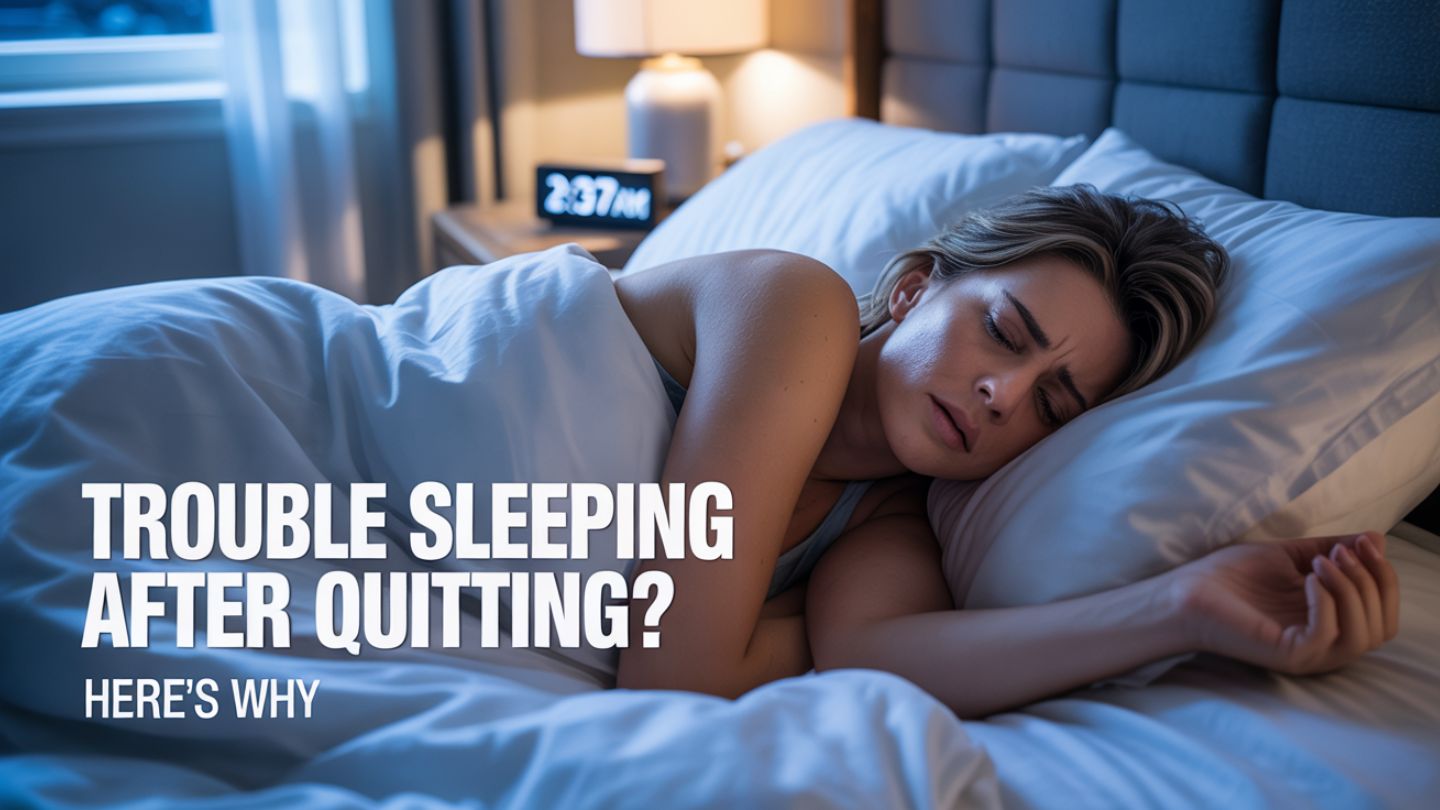
For many people, quitting alcohol marks the beginning of a healthier and more fulfilling life. Yet, one unexpected and frustrating challenge that often follows sobriety is the struggle to sleep. It’s not uncommon to experience insomnia after quitting alcohol, leaving individuals wondering why sleep feels so elusive even after making such a positive change. For many people, finding relatable stories from others who’ve faced similar challenges can provide comfort and motivation during early recovery.
Understanding the connection between alcohol withdrawal, insomnia, disrupted sleep cycles, and recovery is key to achieving both physical and emotional well-being. In professional addiction treatment programs, this issue is well-known and carefully managed as part of comprehensive recovery care.
The Relationship Between Alcohol and Sleep
Alcohol is often perceived as a sleep aid because of its sedative effects. Initially, drinking may make you feel drowsy and help you fall asleep faster. However, while alcohol may promote sleep onset, it significantly disrupts the sleep cycle, especially REM sleep, the deep, restorative phase critical for cognitive function and emotional balance.
Chronic alcohol use or heavy drinking alters your brain chemistry and suppresses the body’s ability to regulate natural sleep hormones like melatonin. Over time, this leads to dependence, not only on alcohol’s sedative effect but also on its impact on your central nervous system.
When you stop drinking, your body has to readjust to functioning without alcohol’s influence, leading to sleep problems such as difficulty falling asleep, staying asleep, or achieving quality deep sleep. Listening to an inspiring alcohol addiction podcast can offer practical insights and emotional encouragement for those navigating the adjustment period after quitting alcohol.
Why You Experience Insomnia After Quitting Alcohol
The most common cause of trouble sleeping after quitting alcohol is the body’s natural adjustment during withdrawal. During this period, your nervous system, once subdued by alcohol, becomes overactive as it tries to regain balance. This can result in alcohol withdrawal, insomnia, restlessness, and vivid dreams. This recovery phase looks different for everyone, as your body takes time to repair the damage caused by prolonged drinking. Understanding how long after quitting alcohol your body heals can provide clarity on what to expect during your recovery and encourage patience through the process
In more detail, here’s what happens:
- Brain Rebalancing: Alcohol affects neurotransmitters like GABA and glutamate, which regulate relaxation and alertness. When you quit drinking, these systems become overstimulated, making it difficult to calm down at night.
- REM Sleep Rebound: After quitting, the body tries to compensate for lost REM sleep, leading to fragmented or restless nights.
- Hormonal Shifts: Alcohol suppresses melatonin and disrupts cortisol balance. As your body adjusts, these hormones may fluctuate, interfering with sleep patterns.
- Anxiety and Cravings: Emotional and psychological symptoms often accompany withdrawal, and anxiety or cravings can keep your mind active long into the night.
This stage is temporary but can last several weeks, depending on factors like how long and how heavily a person has been drinking.
Read More: How Long Does Alcohol Stay in Your System?
Understanding Alcohol Withdrawal Insomnia

Alcohol withdrawal insomnia can manifest as both acute and prolonged sleep issues. During the initial phase of withdrawal, typically the first few days after quitting, sleep disruption is often most intense. Some individuals experience what’s known as REM rebound, where dreaming becomes unusually vivid or even disturbing.
As the body continues to detox, the sleep disturbances may persist. This is because your nervous system remains hyperactive as it recalibrates from dependence on alcohol’s sedative influence. Over time, sleep quality gradually improves as your brain chemistry stabilizes.
However, in some cases, sleep problems may linger even after physical withdrawal subsides. This condition, sometimes referred to as post-acute withdrawal (PAWS), may require professional addiction medicine and therapeutic support to help restore healthy sleep habits. It’s essential to recognize that the early withdrawal phase can carry risks if not managed properly. Learning more about alcohol withdrawal and how to navigate it safely under professional supervision can ensure a smoother transition through detox and recovery
The Importance of Professional Support During Recovery
It’s important to remember that insomnia after quitting alcohol is a regular and temporary part of the recovery process. Attempting to self-manage withdrawal or insomnia without professional help can be overwhelming and counterproductive.
A professional alcohol detox program ensures your withdrawal symptoms, including sleep disturbances, are carefully managed in a medically supervised setting. Healthcare providers may incorporate sleep medicine, nutritional support, and relaxation therapies to promote healthy sleep habits during early sobriety. For those still exploring options, learning about harm reduction for alcohol and managed drinking programs can help individuals better understand safe, medically supervised approaches toward reducing alcohol dependence
In a comprehensive addiction treatment center, addressing sleep health is just as vital as treating the physical symptoms of withdrawal. Good sleep is essential for mental health, emotional regulation, and resilience during recovery.
Restoring Sleep Patterns in Early Sobriety
During early sobriety, it’s common to experience irregular sleep patterns and fatigue. This period of adjustment can last several weeks, but typically improves as your body heals.
Creating a regular sleep schedule can help retrain your circadian rhythm. Exposure to natural light during the day, limiting caffeine, and developing a calming bedtime routine can all support your body’s natural sleep cycle.
Professional programs often combine behavioral therapy, mindfulness, and relaxation techniques to help individuals rebuild normal sleep quality and overcome insomnia. Over time, consistent, healthy rest contributes significantly to maintaining long-term recovery.
How Addiction Treatment Promotes Better Sleep
Effective addiction treatment not only helps patients stop drinking but also restores their physical, mental, and emotional balance. A holistic recovery approach incorporates therapy, medical monitoring, and behavioral strategies that directly improve sleep health.
By addressing underlying issues such as anxiety, depression, or trauma, treatment professionals help patients regulate stress hormones and restore brain chemistry. With guidance from experienced clinicians, individuals can experience more profound, more restorative sleep and reduced fatigue during their recovery journey.
For many, sleep restoration is a clear sign of healing, the body’s way of regaining harmony after years of alcohol-related disruption.
Long-Term Outlook: Achieving Restful Sleep in Sobriety
Patience is key. While sleep disturbance is common in the early stages of sobriety, it gradually fades as your body heals. Within a few months, many individuals report not only falling asleep more easily but also experiencing better sleep quality than they had during their drinking years.
Achieving consistent, restful sleep is one of the most rewarding milestones in alcohol recovery. With professional guidance and structured treatment, it becomes a natural outcome of improved health and emotional stability.
By committing to the process and trusting in your body’s ability to heal, you’ll eventually find yourself waking up refreshed and energized, without depending on alcohol to fall asleep. For many, regaining consistent, quality sleep becomes a key milestone on the road to sobriety. Understanding the timeline of alcohol recovery helps individuals stay motivated and focused as they progress through different stages of healing.
Read More: The Impact of Sleep Disorders on Addiction and Recovery
Conclusion
Sleep struggles are one of the most common challenges people face after quitting alcohol, but they are also a powerful indicator that your body is in the process of healing. As your brain chemistry and sleep patterns recalibrate, restful nights will gradually return, signaling renewed balance and overall well-being. With time and proper support, individuals find that their sleep quality and quality of life improve significantly in sobriety.
At The Rehab, recovery is about more than overcoming addiction; it’s about restoring mind, body, and spirit. Through evidence-based treatment and compassionate care, we help individuals rebuild their health, find emotional stability, and achieve lasting wellness. Those seeking guidance and education on long-term healing can explore alcohol recovery resources that provide valuable insights and support for maintaining sobriety. Additionally, explore more insights through our educational recovery podcasts on alcoholics anonymous, sobriety, heroin addiction recovery, and OxyContin addiction recovery, each offering valuable stories and professional perspectives on lasting sobriety.
Ready to take the next step toward restorative sleep and lasting recovery? Contact The Rehab today and begin your journey to a healthier, more fulfilling life.