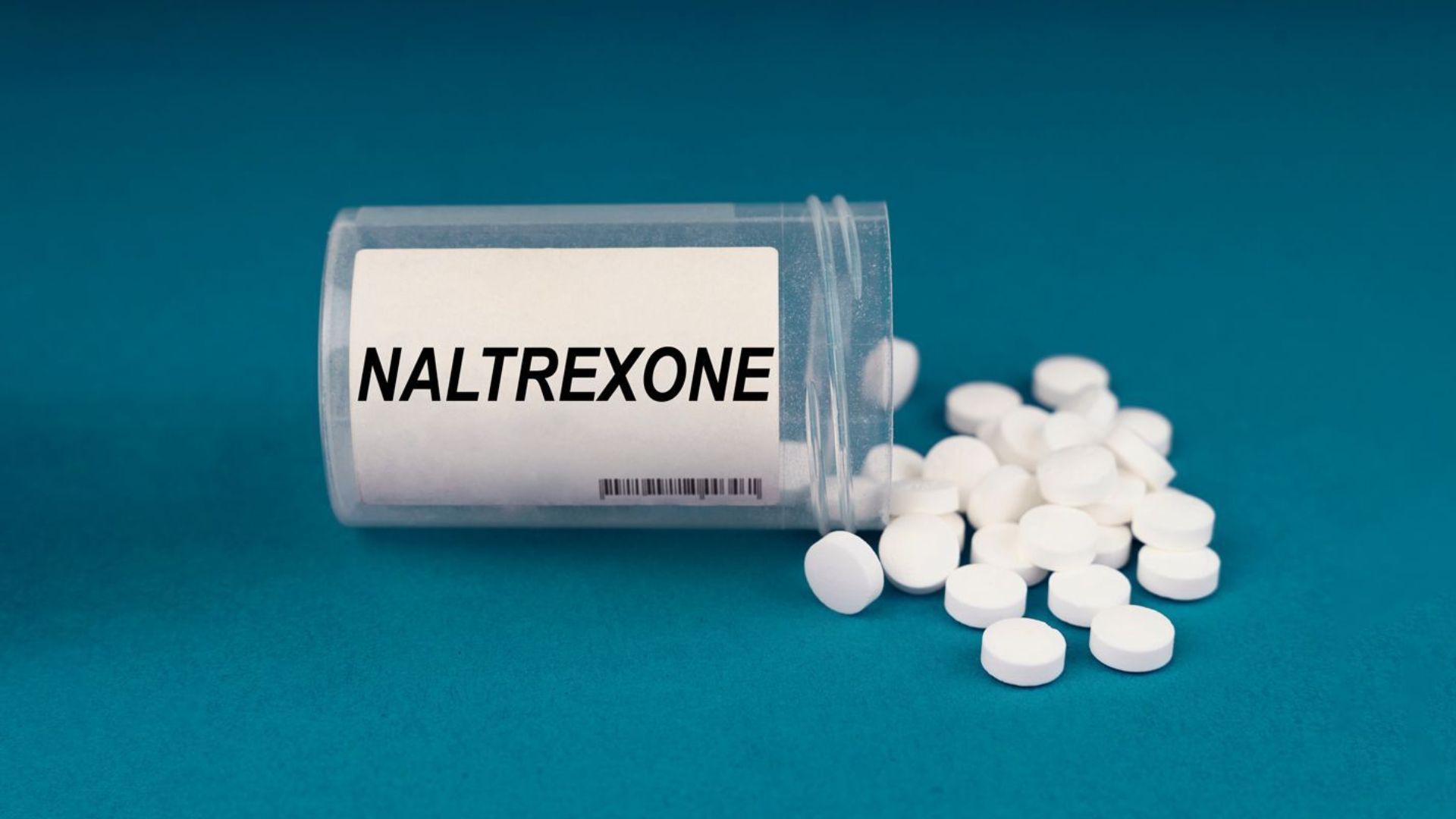
When it comes to managing chronic pain and autoimmune diseases, low-dose naltrexone (LDN) has gained popularity as a potential treatment option. LDN works by blocking opioid receptors in the brain, which can lead to an increase in endorphins and overall immune system regulation.
However, with its increasing popularity, there are some things that patients should be aware of when considering LDN as a treatment option. In this article, we’ll discuss what to avoid when taking low-dose naltrexone and how to ensure the best results from this medication.
What is Low Dose Naltrexone?
Low-dose naltrexone (LDN) is a prescription medication typically used to treat opioid addiction. However, in recent years, it has gained attention due to its potential use in managing chronic pain and autoimmune diseases. LDN works by binding to opioid receptors in the brain and blocking their effects, leading to an increase in the production of endorphins, which can help regulate the immune system.
The standard dose for naltrexone is 50mg, but for LDN, it is significantly lower at 1.5-4.5mg. This low dose can have significant effects on the body and should be carefully monitored by a healthcare professional. For more in-depth discussion and insights, you can explore various naltrexone podcasts that delve into its applications and benefits.
Things to Avoid When Taking Low-Dose Naltrexone
While LDN has shown promising results for many patients, there are some things that should be avoided when taking this medication. These include:
1. Opioid-Based Painkillers
As mentioned earlier, LDN works by blocking opioid receptors in the brain. Therefore, taking any form of opioid-based painkillers, such as codeine or morphine, while on LDN can diminish its effects and potentially lead to withdrawal symptoms. It’s important to inform your healthcare provider if you are prescribed any opioid-based pain medication while on LDN.
2. Alcohol
Consuming alcohol while on LDN is not recommended as it can further suppress the immune system and decrease the effectiveness of the medication. Additionally, alcohol can also affect the metabolism of naltrexone, leading to higher levels in the body, which may cause adverse side effects. It’s best to refrain from consuming alcohol while on LDN.
Read more: Medication Assisted Treatment For Alcohol Addiction Beyond Naltrexone
3. Certain Medications
LDN can interact with other medications, so it’s important to inform your healthcare provider of all the medications you are taking. In particular, drugs that affect the liver, such as methotrexate or statins, should be carefully monitored when taken with LDN. Your doctor will be able to advise if any adjustments or precautions need to be taken.
What Happens If You Do Not Follow These Guidelines?
Not following these guidelines while on LDN can lead to reduced effectiveness of the medication or potential adverse side effects. It can also interfere with the overall treatment plan for chronic pain and autoimmune diseases. Therefore, it’s crucial to inform your healthcare provider of any medications or substances you are taking while on LDN.
How to Ensure the Best Results When Taking Low-Dose Naltrexone?
To ensure the best results from LDN, it’s important to follow these guidelines:
- Take LDN at night: The body naturally produces endorphins during sleep, so taking LDN at night can enhance its effects.
- Follow the prescribed dosage: It’s crucial to follow your doctor’s instructions and not increase or decrease the dosage without consulting them first.
- Maintain a healthy lifestyle: LDN works in conjunction with a healthy lifestyle, including proper diet and exercise. A well-balanced lifestyle can support the immune system and enhance the effects of LDN.
Conclusion
Low-dose naltrexone has shown promise in managing chronic pain and autoimmune diseases, but it’s important to be aware of potential interactions and what to avoid while taking this medication. With our podcast, you can dive into a more detailed discussion of its applications and benefits. By following these guidelines and working closely with your healthcare provider, you can ensure the best results from naltrexone therapy for your overall health and well-being. So why wait? Consult your doctor today to see if LDN is the right treatment option for you. Remember, better days are within reach with the help of low-dose naltrexone. So, take the first step towards a pain-free and healthier life by exploring LDN as a potential treatment option.