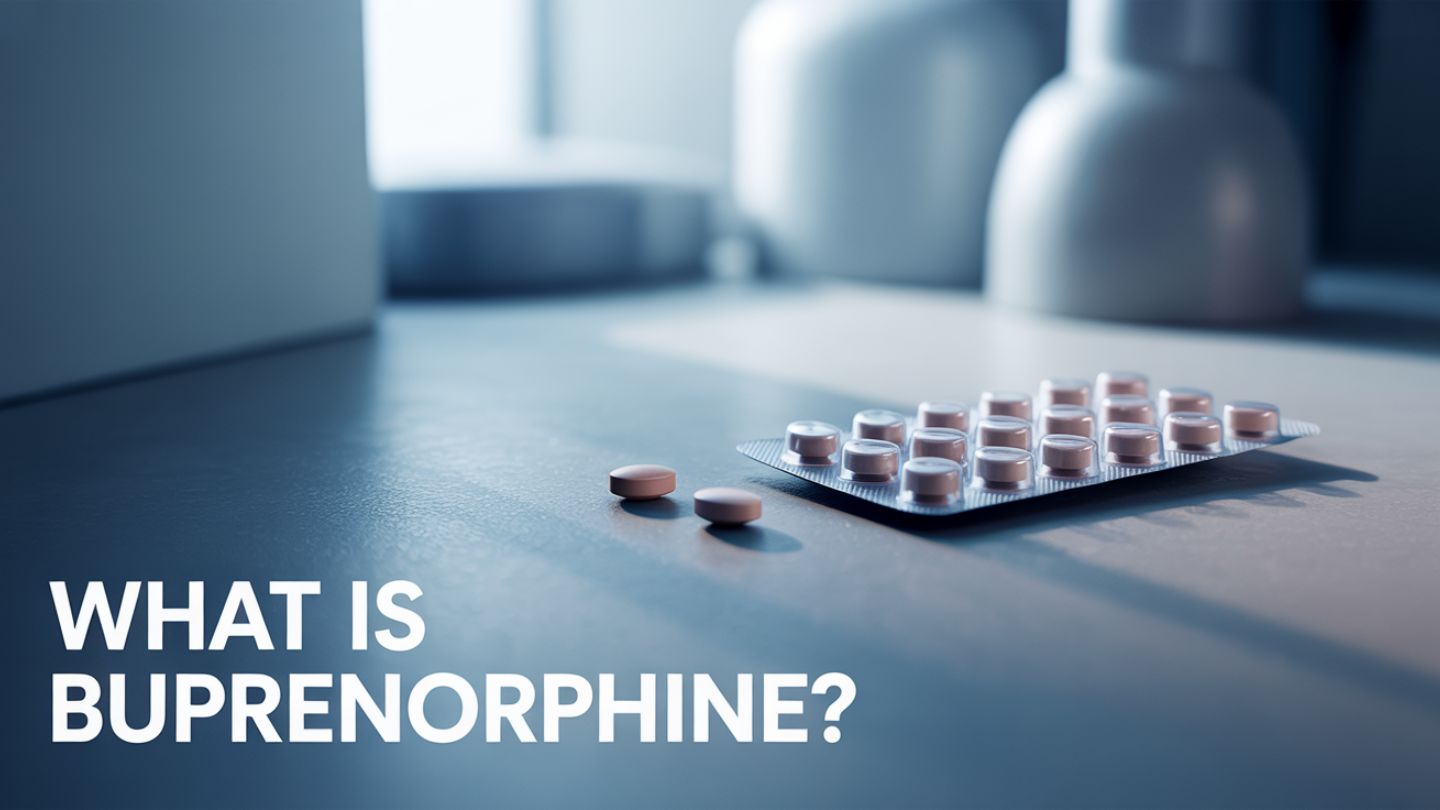
Buprenorphine is a partial opioid agonist widely used in the medical field to support individuals with opioid use disorder. Its chemical structure allows it to bind to the same opioid receptors as drugs like heroin, morphine, or oxycodone, but with less intensity. As a result, it reduces withdrawal symptoms and curbs cravings without inducing the intense euphoria associated with opioid misuse.
In recent decades, buprenorphine has become central to addiction treatment, particularly within opioid treatment programs and outpatient clinics. The medication is often administered as sublingual tablets, allowing for easy use while maintaining consistent levels in the bloodstream. But how does buprenorphine work at the neurological level, and what makes it a safe and effective treatment option?
Let’s break down the science, effects, and role of buprenorphine in managing opioid addiction and dependence.
Understanding Opioid Use Disorder and Dependency
Opioid use disorder (OUD) is a chronic condition characterized by compulsive drug-seeking behaviors, physical dependence, and emotional dysregulation. Individuals suffering from OUD often find themselves trapped in cycles of withdrawal, overdose, and relapse. The brain becomes hijacked by these substances, altering decision-making, stress response, and reward processing.
Buprenorphine addresses these disruptions by occupying opioid receptors without overstimulating them. This makes it distinct from full agonists like heroin or oxycodone, and from opioid antagonists like naloxone, which block receptors entirely.
In short, buprenorphine offers a middle-ground approach, mitigating the extremes of both withdrawal symptoms and drug-induced highs.
What Is Buprenorphine Used For?

Initially approved for pain relief, buprenorphine is now primarily used for opioid dependence and opioid addiction recovery. It’s often prescribed as part of a medication-assisted treatment (MAT) plan, which includes behavioral therapy, counseling, and structured support.
Patients receiving buprenorphine treatment benefit in several ways:
- Craving reduction: By partially stimulating opioid receptors, it suppresses the urge to use more dangerous drugs.
- Withdrawal management: The medication relieves symptoms like nausea, vomiting, anxiety, and muscle pain.
- Relapse prevention: Because of its receptor affinity, buprenorphine can block other opioids from binding, lowering the chance of relapse or overdose.
- Longer half-life: The medication stays active in the system longer, reducing the need for frequent dosing.
This makes it an effective solution for individuals who have previously struggled with prescription painkillers or street drugs like heroin.
How Buprenorphine Works in the Brain

To fully understand how buprenorphine works, we need to explore the brain’s chemistry. Buprenorphine binds to mu-opioid receptors, the same ones responsible for the pain-relieving and addictive effects of traditional opioids. However, because it is a partial opioid agonist, its activation of these receptors is limited.
Instead of producing a high, buprenorphine creates a stabilizing effect, reducing symptoms of acute withdrawal, minimizing the risk of respiratory depression, and offering consistent relief. Its “ceiling effect” means that even with a higher dose, the risk of overdose does not proportionally increase. This protective mechanism makes buprenorphine far safer than most full opioid agonists.
What is buprenorphine and how does it work in the brain? It mimics the brain’s natural opioids without hijacking the system. This supports long-term stabilization, mood regulation, and clearer cognitive functioning.
What Does Suboxone Do to the Brain?
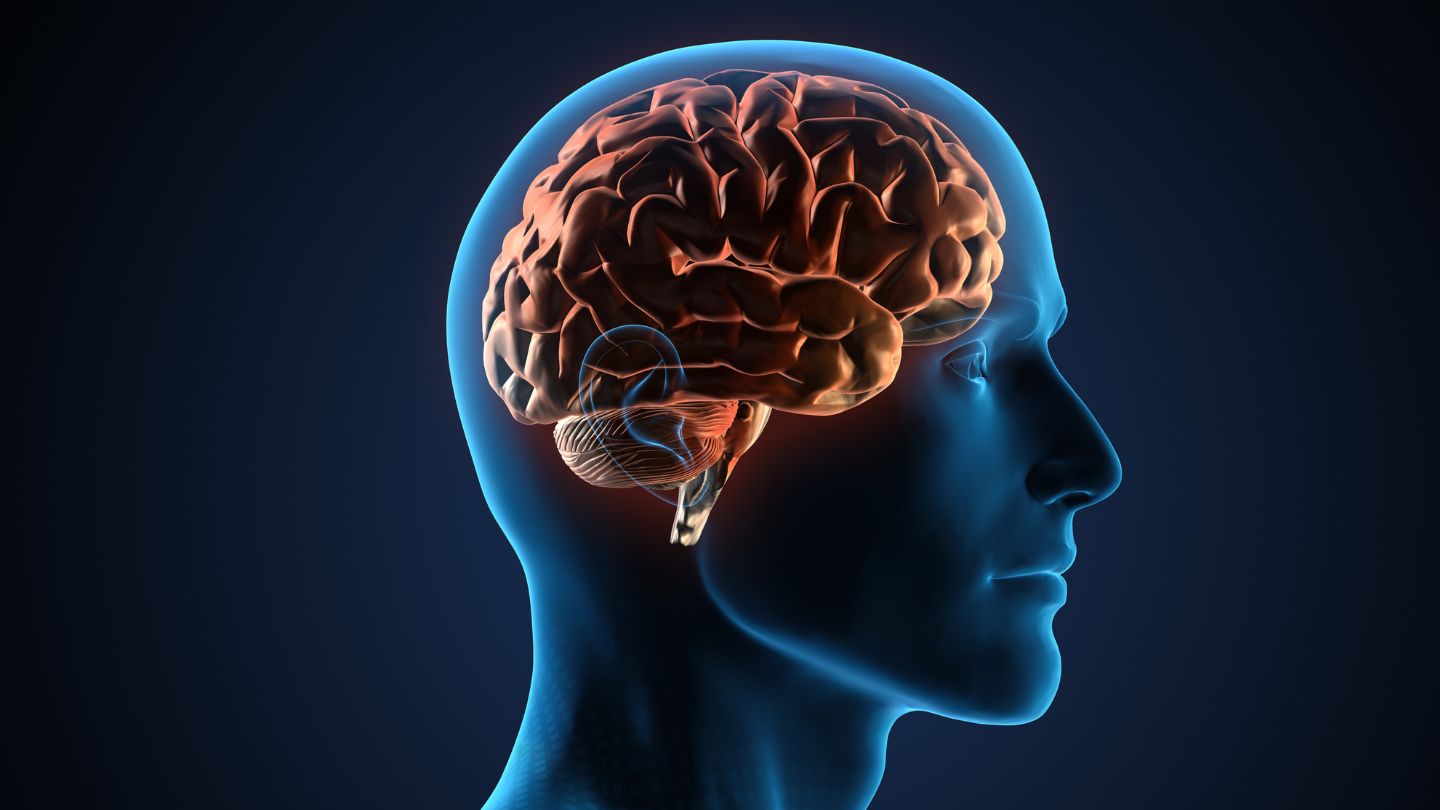
Suboxone is a branded medication combining buprenorphine with naloxone, an opioid antagonist. The naloxone component remains inactive when Suboxone is used correctly (sublingually), but it will trigger withdrawal if the drug is tampered with or used via injection. This feature helps prevent misuse.
So, how does Suboxone work in the brain? It performs the same stabilizing role as buprenorphine alone but adds a layer of protection against abuse. For patients in early addiction treatment, this combination offers psychological and physiological benefits:
- Reduced risk of relapse
- Lowered cravings
- Enhanced focus during therapy
- Decreased stigma compared to clinic-based opioid treatment programs
Suboxone effectively blocks the euphoric effects of opioids, making it harder for patients to return to former patterns of use disorder.
Finding the Right Care
If you’re exploring buprenorphine treatment, a crucial step is to locate qualified local providers. Searching for buprenorphine doctors or visiting a directory of medication-assisted treatment providers ensures you get supervised, personalized care. Clinicians play a vital role in dosage monitoring, tapering plans, and adjusting the treatment course to align with your recovery goals.
Learning from Real Experiences
Educational tools and patient stories provide invaluable insight into what recovery actually looks like. The best buprenorphine addiction podcast episodes, especially those focusing on when treatment backfires, reveal that success isn’t linear. Challenges such as misdiagnosis, underdosing, or lack of integrated therapy can stall progress. These examples stress the importance of a comprehensive treatment plan tailored to each individual’s needs.
Buprenorphine vs. Methadone: What’s the Difference?
A common question among patients is, Is buprenorphine the same as methadone? The answer lies in how each drug interacts with the brain. Methadone is a full opioid agonist, meaning it activates opioid receptors completely and has a higher risk for respiratory depression and overdose. Buprenorphine, by contrast, only partially activates these receptors and includes a safety buffer due to its ceiling effect.
Because of these differences, buprenorphine can often be prescribed in outpatient settings, while methadone typically requires daily clinic visits and tighter controls. The choice between the two depends on history, severity of addiction, and individual medical factors.
Final Thoughts
Buprenorphine represents a major advancement in treating opioid addiction. It offers a safer, more controlled alternative to heroin or prescription opioids and reduces the need for inpatient detox in many cases. Whether administered alone or as Suboxone, this medication plays a critical role in protecting brain function, stabilizing lives, and enabling long-term addiction recovery.
At The Rehab, we understand how complex and overwhelming addiction can be. Whether you’re just learning about buprenorphine treatment or exploring options for someone you love, we’re here to help. Reach out to our team today to discuss how our specialists can guide you through the best treatment options, personalized recovery strategies, and long-term support resources. Want to dive deeper? Listen to our buprenorphine podcast to gain clinical insight and patient stories that illuminate the healing power of medication-assisted treatment.