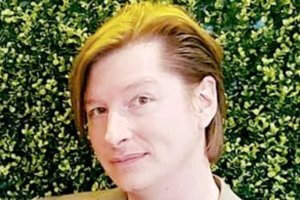
At the heart of Dr. Anna Yusim’s innovative approach to mental health is an unwavering commitment to patient care.
As a concierge psychiatrist and medical doctor, Anna Yusim, M.D. provides an elevated level of concierge service, combining the best practices of traditional psychiatry with the personalized attention of a concierge practice. Her concierge services extend beyond the confines of a typical doctor’s office, offering patients a more intimate and holistic form of care. This model is particularly effective for managing complex conditions like bipolar disorder, where the subtleties of the patient’s experience can significantly impact the course of treatment.
With a keen physician’s insight, Dr. Yusim employs telemedicine to broaden her reach, ensuring that psychiatric care remains accessible even to those unable to visit her practice in person. Her treatment recommendations are crafted with a deep understanding of the individual’s unique life narrative, reflecting a blend of family practice sensitivity and the specialized knowledge of a team physician. Moreover, her work with addiction and substance abuse cases is informed by a compassionate recognition of the lifestyle factors that often underlie such challenges. Dr. Yusim’s integrative approach, therefore, is not just about treating symptoms but about nurturing a balanced and healthy life for each patient she serves.
Dr. Anna Yusim is recognized as the premier concierge psychiatrist in the bustling heart of New York City, especially within the influential circles of Manhattan. Her reputation as a leading physician in this elite enclave is built on her unparalleled commitment to providing personalized, discreet, and comprehensive psychiatric care. In a city that never sleeps, her services stand out for their meticulous attention to the nuanced needs of her discerning clientele. Whether navigating the complexities of Wall Street or the creative demands of Broadway, Dr. Yusim’s patients benefit from her expertise in managing the unique pressures that accompany life at the apex of professional success and urban living. Her Manhattan practice has become a sanctuary for those seeking not just medical treatment but a holistic and transformative mental health experience.
Building on her success in Manhattan, Dr. Anna Yusim is now broadening the reach of her esteemed concierge psychiatry practice to encompass additional states, with Florida being the latest addition. This expansion reflects her vision to transcend geographical barriers and to embrace a more diverse clientele who can benefit from her unique approach to mental wellness. In tandem with this growth, Dr. Yusim has seamlessly integrated concierge psychiatric telemedicine into her offerings. This advancement ensures that both her patients and executive coaching clients, regardless of their location, can access her expert care with the same level of intimacy and effectiveness as they would in-person. Dr. Yusim’s expansion and integration of telemedicine services showcase her commitment to evolving with the needs of her clients while maintaining the high standard of care that has become synonymous with her practice.
In the evolving landscape of mental health care, Dr. Anna Yusim stands as a beacon of innovation and hope.
With a unique practice that bridges the often-disparate worlds of science and spirituality, Dr. Yusim has pioneered a holistic approach to psychiatry that recognizes the profound interconnectedness of the mind, body, and spirit. Her approach is not only groundbreaking but also deeply needed in a world where mental health problems are on the rise and traditional treatments often fall short of addressing the whole person.
In her role as an integrative psychiatrist, Dr. Anna Yusim extends her expertise to the pioneering field of psychedelic integration psychiatry. Understanding the profound healing potential of psychedelic experiences when carefully managed and integrated, she guides her patients through the transformative process with sensitivity and clinical acumen. This facet of her practice underscores the synthesis of conventional psychiatric methods with innovative treatments, providing a comprehensive approach to mental health that honors the mind’s ability to heal through expanded states of consciousness. Dr. Yusim’s work in this domain is characterized by a meticulous blend of safety, spirituality, and science, offering her patients not just relief from their symptoms but a pathway to deeper self-understanding and psychological growth.
Dr. Yusim’s journey began with a traditional medical education, followed by extensive training in psychiatry. However, her path took an unorthodox turn as she delved into the realms of medical intuition and energy healing. A medical intuitive by training, Dr. Yusim integrates medical intuitive readings into her practice, providing insights into health problems that transcend the physical body. These readings, often reminiscent of the work of renowned healers like Caroline Myss and Edgar Cayce, offer a deeper understanding of the energy dynamics at play in illness and spiritual health.
By incorporating medical intuitive training into her practice, Dr. Yusim has expanded the scope of her healing sessions beyond conventional medical diagnosis, using her incredible intuitive ability in each healing session. Her clients, who range from individuals struggling with mental illness to high-profile executives seeking executive coaching, are guided through a healing journey that may include modalities such as energy medicine, the Emotional Freedom Technique, and sessions with hypnotist examiners.
The intuitive healing processes that Dr. Yusim employs are not replacements for medical treatment but rather complementary to it.
As a medical professional, she is acutely aware of the importance of a thorough medical examination and the role of traditional health care. Yet, she also knows that for some health issues, especially those related to mental health, conventional medicine may only skim the surface. Her advanced medical intuition enables her to scan the psychic medium of the mind, often revealing underlying trauma or emotional burdens that contribute to illness.
Dr. Yusim’s clinical practice is deeply informed by her belief in the power of intuition and spiritual care. By inviting in the wisdom of spirit guides and harnessing psychic abilities, she offers an alternative medicine perspective that complements her extensive medical knowledge. Each medical intuitive session is tailored to the individual, recognizing that each person’s healing modality must be as unique as their fingerprint.
Her work in spiritual psychiatry has garnered attention in professional medical circles, with many considering her methods an essential component of integrative psychiatry. By addressing spiritual struggles alongside mental illness, Dr. Yusim provides spiritual care that can lead to profound spiritual growth. Her recognition of spiritual belief as a pivotal aspect of mental health care is supported by organizations such as the American Psychological Association and the American Psychiatric Association.
Contributions by scholars like Lisa Miller in the field of spiritual psychology, and clinicians like David H. Rosmarin, who focus on spiritually integrated psychotherapy, have paved the way for Dr. Yusim’s work. They affirm the importance of addressing spiritual issues and religious beliefs within the context of mental health treatment.
In the domain of holistic psychiatry, Dr. Yusim incorporates integrative medicine techniques such as functional medicine and cognitive behavioral therapy to address the full spectrum of mental health problems.
Her respect for conventional psychiatry is evident in her treatment plans, which may include medication management and psychotherapy. Yet, her holistic psychiatrist perspective ensures that treatment for mental illness is not just about managing symptoms but nurturing overall mental wellness.
Dr. Yusim’s practice also touches upon the niche area of concierge psychiatry. In her concierge care model, the patient receives highly personalized attention, with easy access to Dr. Yusim and a comprehensive treatment plan that includes advanced medical intuition. This approach aligns closely with the work of pioneers like Dr. Choulet of Choulet Wellness, who advocates for quality mental health care through concierge medicine.
Dr. Anna Yusim’s practice is a testament to the potential of integrating the worlds of medical science and spiritual healing. By honoring the whole person—mind, body, and spirit—she offers a transformative approach to mental health care that can lead to true healing and lasting change. Her work reminds us that at the intersection of medical intuition, spiritual care, and science, there is a profound opportunity to revolutionize how we understand and treat mental illness.