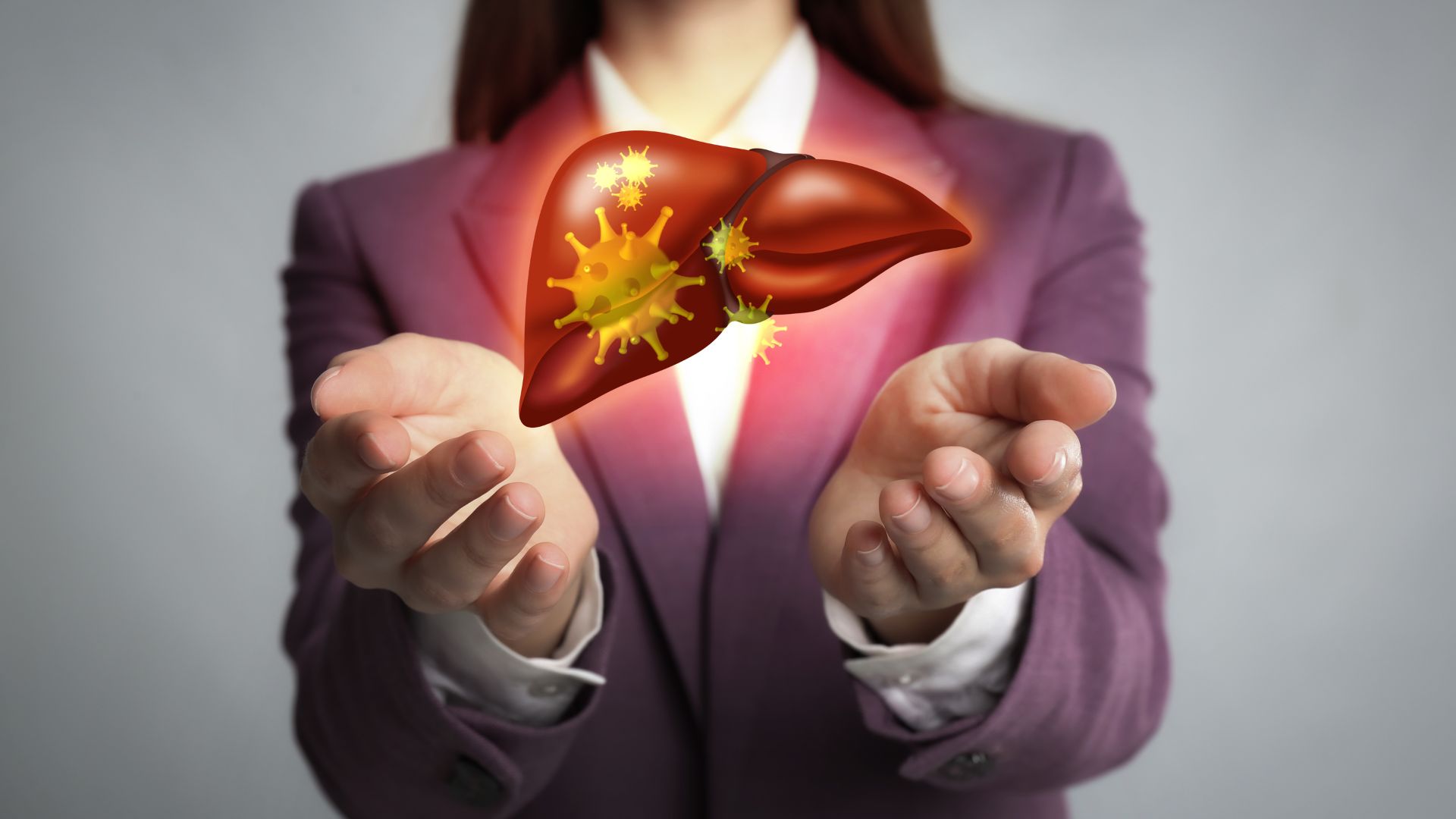
Your liver works tirelessly behind the scenes, performing over 500 vital functions every day. It detoxifies your blood, produces essential proteins, and aids in digestion. However, years of alcohol abuse can take a serious toll on this life-sustaining organ. For those on the path to recovery, understanding how long it takes for the liver to repair itself is crucial.
In this blog post, we’ll explore the intricate relationship between liver and alcohol abuse, the different stages of liver damage, and the healing process after quitting alcohol. We’ll also share tips on how to support your liver’s recovery and stay motivated during your journey towards sobriety. Let’s dive in!
The Relationship Between Liver and Alcohol Abuse
The liver is responsible for breaking down alcohol, converting it into harmless byproducts that are then eliminated from the body. However, excessive and prolonged alcohol consumption can damage liver cells, leading to inflammation and scarring.
As the liver tries to repair itself, scar tissue forms, disrupting its normal functioning. This condition is known as alcoholic liver disease (ALD) and can progress through three stages: fatty liver, alcoholic hepatitis, and cirrhosis. Each stage requires a different approach to treatment and has varying levels of smart recovery.
The Stages of Liver Damage
- Fatty Liver: This is the first stage of ALD and is characterized by the build-up of fat in liver cells. It is the most common form of alcohol-related liver disease, affecting up to 90% of heavy drinkers. Luckily, this stage can be reversed by stopping alcohol consumption.
- Alcoholic Hepatitis: If left untreated, fatty liver disease can progress to alcoholic hepatitis, which involves inflammation and swelling of the liver. Symptoms may include abdominal pain, fever, jaundice (yellowing of the skin), and nausea/vomiting. While some damage at this stage may be reversible with treatment, continued alcohol abuse can lead to permanent scarring.
- Cirrhosis: The most severe form of ALD, cirrhosis occurs when the liver has been damaged beyond repair. Scar tissue replaces healthy liver cells, causing serious complications such as internal bleeding, fluid accumulation in the abdomen, and liver failure. The only solution at this stage is a liver transplant.
The Healing Process After Quitting Alcohol
The good news is that the liver has an incredible capacity to heal itself, especially in the early stages of ALD. When alcohol consumption stops, fatty deposits and inflammation will gradually decrease, allowing the liver to repair damaged cells and regenerate healthy ones. However, this process may take time, depending on the extent of damage sustained and how well the individual takes care of their liver.
In general, it can take anywhere from a few months to several years for the liver to repair itself after alcohol abuse. This timeframe varies for each individual, and factors such as overall health, diet, exercise, and other lifestyle choices can impact the recovery process. By understanding the timeline of alcohol recovery, individuals can set realistic expectations and stay motivated during their journey. It is important to note that recovery is not just physical but also mental and emotional. Seeking support from loved ones, therapy, and addiction recovery resources can greatly aid in the healing process.
Tips to Support Liver Recovery and Stay Motivated
Here are some things you can do to support your liver’s recovery and stay motivated:
- Eat a healthy diet: Choose foods that are rich in antioxidants, such as fruits, vegetables, and whole grains. These help protect the liver from further damage.
- Stay hydrated: Drinking plenty of water helps flush out toxins from the body and keeps the liver functioning properly.
- Exercise regularly: Regular exercise not only improves overall health but also aids in weight management, which is important for reducing stress on the liver.
- Avoid alcohol completely: Even small amounts of alcohol can hinder the liver’s healing process and lead to relapse. It’s essential to stay committed to sobriety and avoid all triggers.
- Stay connected: Surround yourself with a supportive network of friends and family who can provide encouragement and accountability during your recovery journey. Consider joining a support group or seeking therapy if needed.
The Road to Liver Recovery
The liver’s ability to repair itself after years of alcohol abuse is truly remarkable, but it requires dedication to sobriety and healthy lifestyle choices. Whether you’re just starting your recovery journey or supporting a loved one, understanding the healing process and taking proactive steps can make a significant difference.
Remember, recovery is a marathon, not a sprint. Seek guidance from healthcare professionals and consider listening to our alcoholic podcasts and sobriety podcasts for additional support and motivation. Your liver—and your overall health—will thank you for the effort you put into healing and maintaining its function. Keep going, and stay strong!