
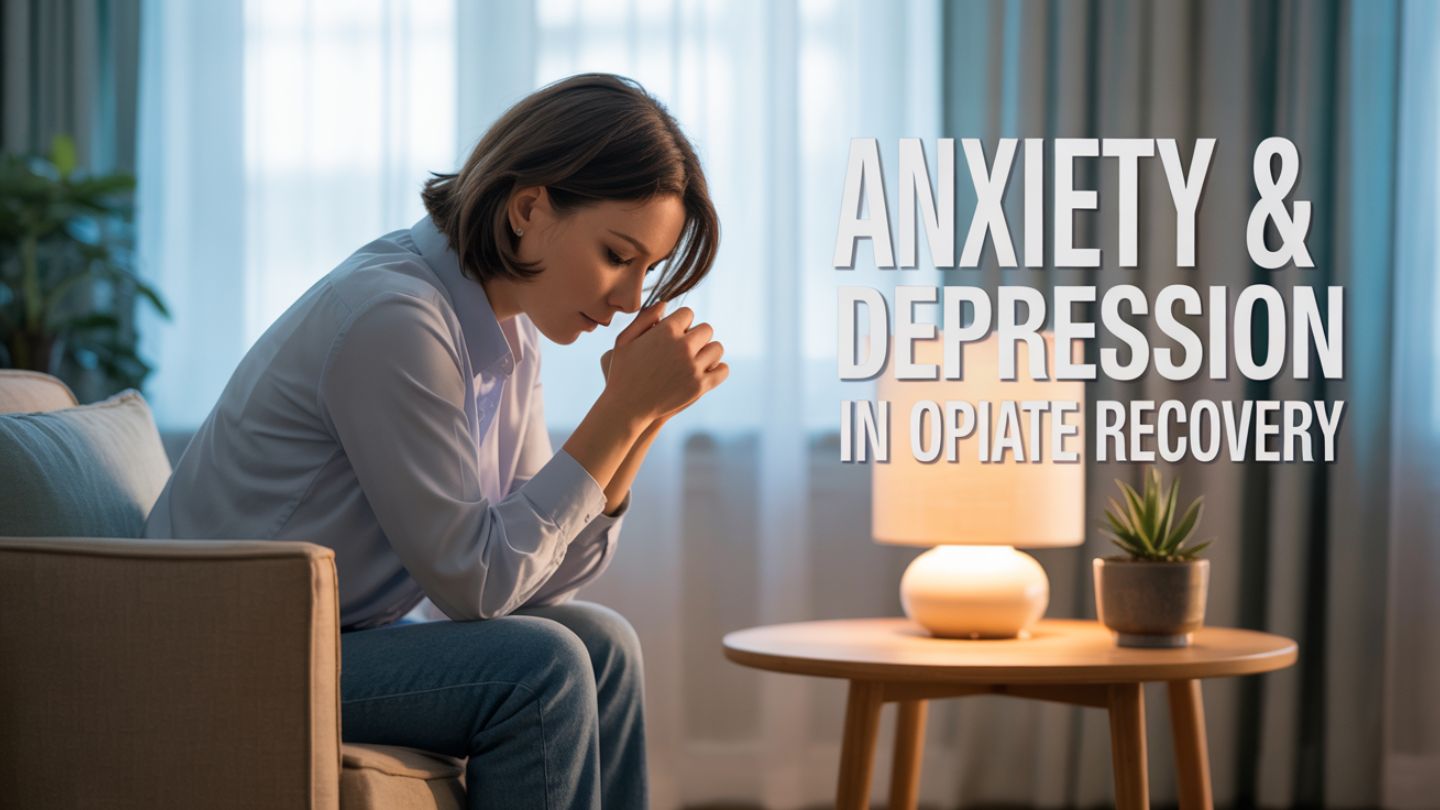
The connection between opiate dependence and mental health is complex and deeply intertwined. For many individuals, opioid use begins as a way to manage pain or emotional distress, yet over time, it often leads to a cycle of dependence that intensifies anxiety, depression, and other mood-related challenges. Understanding how opiate addiction affects mental health is critical not only for effective treatment but also for long-term recovery and well-being.
The Overlap Between Opiate Dependence and Mental Health Disorders
Opiate dependence and mental health disorders often occur together, a condition known as co-occurring disorders or dual diagnosis. Studies show that people with opioid use disorder (OUD) are significantly more likely to experience depression, anxiety, and other mood disorders compared to the general population. In fact, a large number of individuals seeking treatment for opioid addiction report symptoms of anxiety and depression that predate, accompany, or develop as a result of their substance use. Recognizing the early signs of opioid dependence before it escalates is key to preventing serious mental and emotional complications. Understanding these indicators can help individuals seek help sooner and begin the recovery process before long-term damage occurs.
Chronic opioid use alters brain chemistry, especially in areas that regulate mood, stress response, and reward processing. The body’s natural production of endorphins, chemicals responsible for feelings of pleasure and pain relief, is disrupted, leading to emotional instability and low mood when opioids are not present. This biochemical imbalance can make anxiety and depressive symptoms more severe during both active addiction and withdrawal.
Why Anxiety and Depression Are Common in Opiate Addiction
Several biological and psychological factors explain why anxiety and depression are common in individuals with opiate dependence. Opioids impact neurotransmitters like dopamine, serotonin, and norepinephrine, all essential for maintaining emotional balance and mental health. Over time, the brain becomes reliant on opioids to produce feelings of calm or happiness. When drug use stops or decreases, individuals often experience emotional crashes, heightened stress, and anxiety symptoms.
Additionally, opioid withdrawal symptoms such as restlessness, insomnia, irritability, and muscle tension can mirror the physical sensations of anxiety. The psychological distress that follows, guilt, hopelessness, or fear of relapse, can deepen depressive feelings. This combination makes it difficult for those struggling with opioid addiction to break free without professional support.
Environmental stressors also play a major role. Financial instability, strained relationships, job loss, or chronic pain, which are often catalysts for initial opioid use, can worsen mental health conditions. Without treatment, this cycle of substance use and emotional distress continues, reinforcing dependence. For those working to break free from opioid dependence, learning effective ways to manage cravings can make recovery more achievable and less overwhelming. With the right guidance, individuals can develop healthier coping mechanisms that reduce the risk of relapse and support long-term emotional balance.
The Impact of Opiate Use on Brain and Mood Regulation

Opioids bind to specific receptors in the brain, known as opioid receptors, which influence both pain perception and emotional regulation. Regular opioid use leads to tolerance, meaning the body needs higher doses to achieve the same effect. As tolerance builds, natural mood-regulating chemicals decline, resulting in a flattened emotional state, also known as anhedonia. This loss of pleasure contributes significantly to depressive symptoms and anxiety during and after opioid use.
When individuals attempt to stop or reduce opioid consumption, the nervous system reacts intensely. The resulting withdrawal symptoms can include severe mood swings, anxiety, panic attacks, and insomnia. These symptoms are temporary but can be overwhelming without medical supervision and support from addiction treatment professionals.
Recognizing Anxiety and Depression in Opiate Users
Anxiety and depression in individuals with opioid use disorder may present differently from those without addiction. Common signs include persistent sadness, fatigue, irritability, changes in appetite, panic attacks, or excessive worry. Some may experience intrusive thoughts, loss of motivation, or feelings of emptiness. Because opioid dependence affects judgment and cognition, recognizing these symptoms early is vital to ensure timely intervention and comprehensive care.
In clinical settings, it’s often difficult to determine whether mental health issues existed before substance use or developed as a result of it. However, in either case, integrated treatment, addressing both addiction and mental health simultaneously, is crucial for lasting recovery.
How Opiate Addiction Affects Mental Health and Emotional Stability
The emotional instability caused by opioid use can feel relentless. For some, opioids temporarily mask anxiety and depression, offering short-term relief. But this relief comes at a high cost; long-term use changes how the brain responds to stress, making individuals more vulnerable to emotional distress. Over time, dependence leads to isolation, reduced coping ability, and worsening mental illness symptoms.
People in recovery from opioid use disorder often describe a period of “emotional awakening,” when feelings that were numbed during addiction return. This can initially be overwhelming, but with proper guidance, therapy, and coping strategies, it becomes an opportunity for healing and self-discovery. Addressing emotional regulation through therapy and medical treatment allows individuals to rebuild their mental health from the inside out.
Treating Co-Occurring Anxiety, Depression, and Opiate Dependence
Successful treatment for co-occurring disorders requires a holistic and integrated approach. Medical detox provides a safe environment to manage opioid withdrawal, while psychotherapy helps address underlying emotional and psychological issues. Cognitive-behavioral therapy (CBT), mindfulness, and medication-assisted treatment (MAT) are often combined to stabilize both mood and physical symptoms.
Addiction medicine specialists also emphasize the importance of lifestyle and wellness factors, nutrition, exercise, sleep, and social support, all of which contribute to mental stability. When anxiety and depression are treated alongside opioid dependence, individuals experience fewer relapses, improved mood regulation, and stronger long-term recovery outcomes. Comprehensive, integrated care greatly improves recovery outcomes. Research on the opiate addiction treatment success rate shows that patients who receive structured, evidence-based addiction programs are more likely to achieve lasting sobriety and maintain long-term emotional stability.
The Role of Professional Support in Recovery

Overcoming opiate dependence and co-occurring mental health challenges is not something anyone should face alone. Professional addiction treatment centers offer compassionate, evidence-based care that supports both body and mind. Experienced clinicians help patients navigate emotional distress, teach coping strategies, and promote resilience in recovery.
In structured treatment settings, individuals receive a combination of therapy, medical monitoring, and community support. These elements create a strong foundation for recovery, addressing not just substance use but also the mental health disorders that often accompany it. Family members and loved ones play a vital role in the recovery process. Learning how to avoid negatively enabling an opiate addicted relative while still offering compassionate support can create a more stable environment that promotes accountability, trust, and lasting healing.
Read More: Free Suboxone Treatment For Opiate and Opioid Addiction
Conclusion
Anxiety and depression are highly prevalent among individuals struggling with opiate dependence, often emerging as both causes and consequences of addiction. These emotional challenges reflect the body and mind’s ongoing effort to heal from prolonged opioid use. With the proper professional treatment, balance can be restored, helping individuals regain mental clarity, emotional stability, and a renewed sense of purpose on their path to recovery.
At The Rehab, the focus is on complete healing, addressing the physical, emotional, and psychological effects of addiction through evidence-based care and compassionate support. Through personalized programs and therapeutic guidance, patients are empowered to rebuild their strength, improve mental health, and sustain long-term wellness. Those seeking comprehensive and compassionate care can explore opiate dependence recovery programs designed to support lasting transformation and a healthier, more fulfilling life. For added inspiration and recovery insight, explore powerful stories and expert discussions through The Rehab’s featured resource podcasts like alcohol recovery podcast, hydromorphone addiction recovery podcasts, and oxymorphone recovery addiction stories, each offering valuable guidance and real-life experiences from those who’ve found strength in recovery.
Ready to take the first step toward emotional healing and lasting recovery? Contact The Rehab today and begin your journey to a stronger, healthier you.