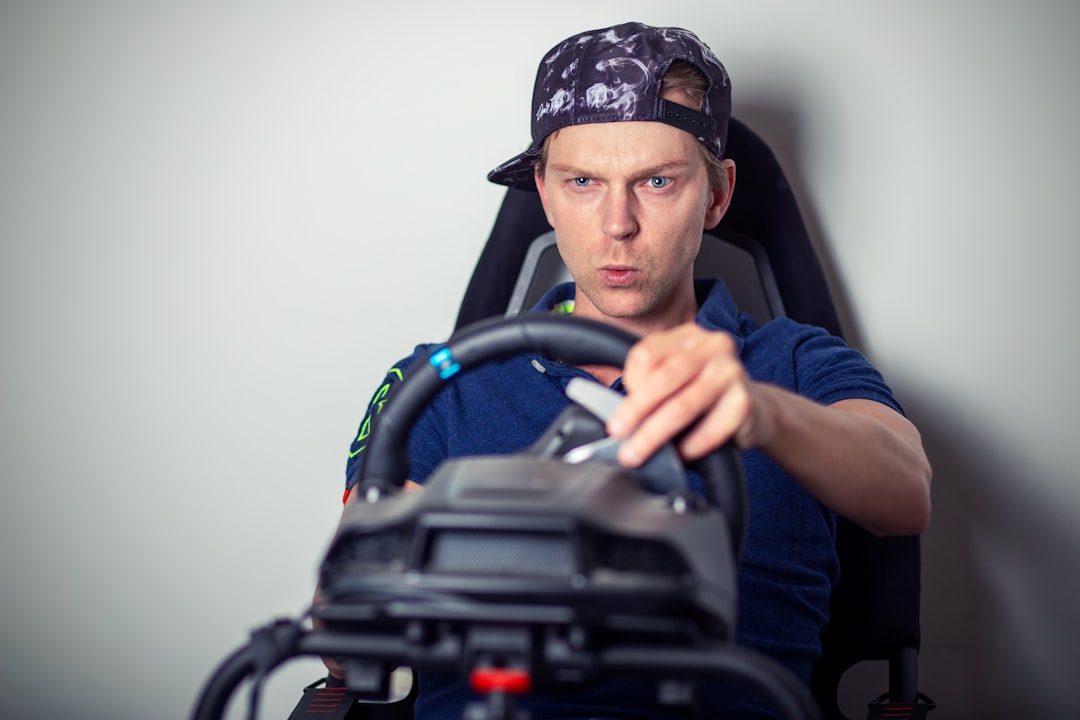
Gaming addiction, also known as gaming disorder, is a behavioral addiction characterized by excessive and compulsive use of video games. The World Health Organization (WHO) recognizes it as a mental health condition. This disorder can significantly impact an individual’s physical, emotional, and social well-being.
Those affected by gaming addiction often prioritize gaming over other activities and responsibilities, leading to neglect of work, school, and personal relationships. The addictive nature of gaming is often driven by the immersive and rewarding experiences provided by video games. This can result in a cycle of craving, playing, and withdrawal similar to other addictive behaviors.
Underlying mental health issues such as depression, anxiety, or low self-esteem can contribute to gaming addiction. For some individuals, gaming serves as an escape and distraction, becoming a coping mechanism for those struggling with these issues. The social aspect of gaming, particularly in online multiplayer games, can provide a sense of belonging and connection for individuals who may have difficulty with social interactions in real life.
This can reinforce addictive behavior as people seek to maintain virtual connections at the expense of real-life relationships. Understanding the psychological and social factors that contribute to gaming addiction is essential for addressing and overcoming this issue effectively.
Impact of Gaming Addiction on Social Skills
The Isolation Effect
Excessive gaming can lead to isolation and withdrawal from real-life social interactions, as individuals become more engrossed in their virtual worlds. This can result in a lack of social skills development, as individuals may struggle with basic communication, empathy, and conflict resolution skills.
Strained Relationships
The intense focus on gaming can lead to neglect of friendships, family relationships, and romantic partnerships, causing strain and deterioration in these connections. In addition, the competitive and often aggressive nature of some video games can influence an individual’s social behavior, leading to increased aggression, impulsivity, and poor sportsmanship in real-life interactions.
A Broader Impact
The impact of gaming addiction on social skills is not only limited to the individual, but can also extend to their social circle, as friends and family members may struggle to understand or relate to the individual’s preoccupation with gaming. Recognizing the detrimental impact of gaming addiction on social skills is essential in addressing the issue and working towards rebuilding healthy social connections.
Rebuilding Social Connections
Rebuilding social connections is a crucial step in overcoming gaming addiction and improving social skills. This process involves re-engaging with real-life social interactions and nurturing meaningful relationships with friends, family, and peers. It may also involve seeking support from mental health professionals or support groups to address underlying issues that may have contributed to the development of gaming addiction.
Rebuilding social connections requires patience, effort, and a willingness to step out of one’s comfort zone to engage in new activities and experiences. One approach to rebuilding social connections is through open communication with friends and family about the challenges faced as a result of gaming addiction. This can help in fostering understanding and support from loved ones, as well as provide an opportunity to repair strained relationships.
Additionally, seeking out new social opportunities such as joining clubs, volunteering, or participating in group activities can help in expanding one’s social network and developing new friendships. Rebuilding social connections is a gradual process that requires commitment and perseverance, but it is essential in regaining a sense of belonging and support outside of the gaming world.
Strategies for Improving Social Skills
Improving social skills is an important aspect of overcoming gaming addiction and reintegrating into real-life social interactions. Developing effective communication, empathy, and conflict resolution skills can help in fostering healthy relationships and building a strong support network. One strategy for improving social skills is through practicing active listening and engaging in meaningful conversations with others.
This involves being present in the moment, showing genuine interest in others’ experiences, and responding thoughtfully to their thoughts and feelings. Another strategy for improving social skills is through participating in group activities or team-based projects that require collaboration and cooperation. This can help in developing teamwork, leadership, and problem-solving skills while also providing opportunities to connect with others who share similar interests.
Additionally, seeking out social skills training or therapy can provide valuable guidance and support in addressing specific areas of difficulty in social interactions. Developing self-awareness and emotional intelligence is also important in improving social skills, as it can help in understanding one’s own emotions and effectively managing them in social situations. By implementing these strategies, individuals can work towards enhancing their social skills and building fulfilling relationships outside of the gaming world.
Seeking Support for Gaming Addiction
Seeking support for gaming addiction is an important step in addressing the issue and working towards recovery. This may involve reaching out to mental health professionals such as therapists or counselors who specialize in addiction treatment. These professionals can provide personalized support and guidance in developing coping strategies, addressing underlying issues, and making positive lifestyle changes.
Support groups for gaming addiction can also be valuable in connecting with others who are going through similar experiences and finding encouragement and understanding within a community of peers. In addition to professional support, seeking understanding and encouragement from friends and family members is crucial in overcoming gaming addiction. Openly communicating about the challenges faced and expressing the desire for change can help in garnering support from loved ones.
It is important for individuals struggling with gaming addiction to recognize that seeking support is not a sign of weakness, but rather a courageous step towards reclaiming control over their lives. By seeking support from various sources, individuals can gain the necessary tools and resources to address gaming addiction and work towards building a healthier lifestyle.
Balancing Gaming and Social Activities
Creating a Schedule for Balance
One approach to balancing gaming and social activities is through creating a schedule that allocates specific time for gaming as well as time for engaging in social activities. This can help in managing gaming habits while also ensuring that there is dedicated time for nurturing relationships with friends, family, and peers.
Exploring Alternative Hobbies and Interests
Another strategy for balancing gaming and social activities is through exploring alternative hobbies and interests that provide opportunities for social engagement. This may involve participating in sports, art classes, or community events that allow for meaningful connections with others outside of the gaming world.
Bridging the Gap between Virtual and Real-Life Interactions
Additionally, involving friends or family members in gaming activities can help in bridging the gap between virtual and real-life interactions, allowing for shared experiences and bonding over common interests. By finding a healthy balance between gaming and social activities, individuals can enjoy the benefits of both worlds while maintaining fulfilling relationships.
Maintaining Healthy Social Relationships
Maintaining healthy social relationships requires ongoing effort, communication, and mutual respect. This involves being attentive to the needs of friends and family members, expressing appreciation for their support, and actively participating in shared activities and experiences. One key aspect of maintaining healthy social relationships is through effective communication that involves expressing thoughts and feelings openly, listening attentively to others, and resolving conflicts constructively.
Another important factor in maintaining healthy social relationships is through demonstrating empathy and understanding towards others’ experiences and emotions. This involves being supportive during challenging times, celebrating achievements, and showing genuine care for the well-being of loved ones. Additionally, maintaining healthy boundaries within relationships is crucial in fostering mutual respect and trust.
This may involve respecting each other’s personal space, autonomy, and individual interests while also finding common ground for shared experiences. In conclusion, overcoming gaming addiction and improving social skills requires dedication, self-awareness, and a willingness to seek support from various sources. By understanding the impact of gaming addiction on social skills and relationships, individuals can work towards rebuilding connections with others while also finding a healthy balance between gaming and real-life interactions.
With the right strategies and support systems in place, individuals can overcome gaming addiction and cultivate fulfilling relationships that contribute to their overall well-being.