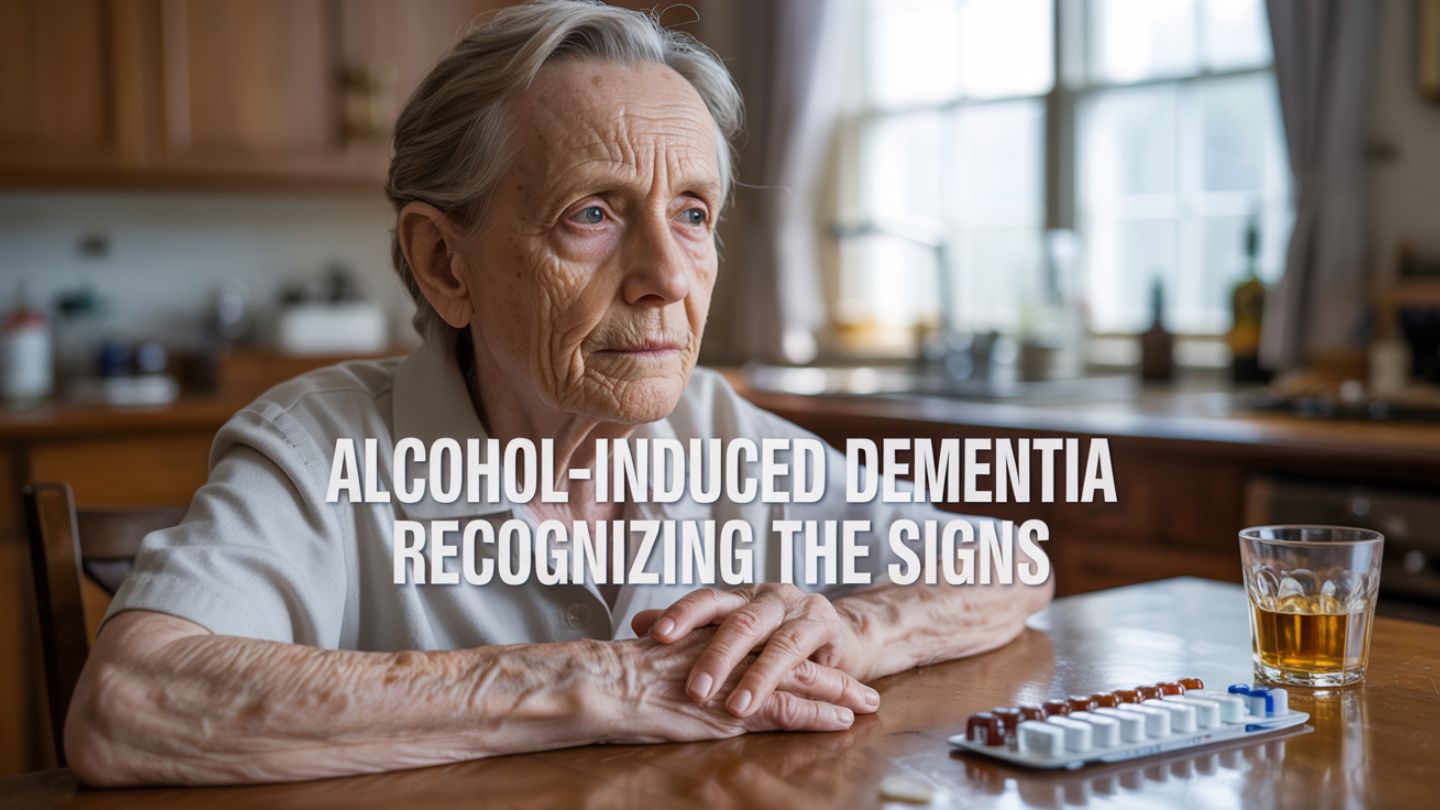
Alcohol-induced dementia is a serious condition that develops after prolonged and harmful patterns of drinking. While alcohol is commonly accepted in social settings, chronic and excessive alcohol consumption can have devastating effects on the brain. Over time, repeated exposure can lead to lasting brain damage, impaired memory, and progressive cognitive decline that interferes with daily life.
In this blog, understanding alcohol-related dementia and recognizing early changes in mental functioning can help individuals and families seek timely support and reduce the risk of developing dementia linked to alcohol use.
Understanding Alcohol-Induced Dementia
Alcohol induced dementia occurs when long-term alcohol misuse disrupts normal brain functioning. Unlike Alzheimer’s disease or frontotemporal dementia, this form of dementia is directly connected to alcohol use and nutritional deficiencies. Chronic alcohol misuse interferes with the brain’s ability to absorb thiamine, a vitamin essential for cognitive functioning and memory formation.
Over time, chronic alcohol consumption can lead to alcohol related brain damage, reducing brain volume and impairing communication between neurons. These changes affect judgment, emotional regulation, and problem-solving abilities, making everyday tasks increasingly difficult.
How Alcohol Affects Brain Health
Alcohol impacts brain health in multiple ways. Heavy drinking alters neurotransmitter balance, damages blood vessels, and increases inflammation. Research into whether drinking alcohol raises the risk of stroke shows that alcohol-related vascular damage can contribute to vascular dementia and worsen overall dementia symptoms.
Extended alcohol intake also slows physical recovery processes. Insights into how long after quitting alcohol does your body heal show that while some systems can improve with abstinence, brain damage caused by long-term alcohol abuse may take much longer to stabilize, and some cognitive deficits may persist.
Early Warning Signs to Watch For
The early signs of alcohol induced dementia often appear subtly and may be dismissed as stress or aging. These changes can include difficulty concentrating, poor short-term memory, confusion during conversations, and declining cognitive abilities. Recognizing these changes early is essential for slowing progression.
Families may notice the early signs of alcohol dementia before the individual does. These can include missed appointments, difficulty managing finances, or challenges completing familiar routines. Over time, the signs of alcohol related dementia become more pronounced, affecting independence and decision-making.
Behavioral and Emotional Changes
As alcohol misuse continues, behavioral changes often intensify. The signs of alcoholic dementia may include impulsivity, mood swings, reduced motivation, and emotional withdrawal. Individuals may struggle with cognitive impairment that affects planning and social interactions.
Mental health concerns frequently coexist with alcohol addiction. Anxiety, depression, and irritability are common, particularly as cognitive functioning declines. Without appropriate addiction treatment, these behavioral symptoms often worsen, placing strain on relationships and support systems.
Physical Symptoms and Neurological Effects
Alcohol-related cognitive decline is not limited to memory loss. Physical symptoms such as poor coordination, tremors, and unsteady walking may indicate alcohol related brain injury. These issues increase fall risk, especially among older adults.
Alcohol also affects muscle repair and coordination. Findings related to alcohol affecting muscle recovery highlight how alcohol misuse weakens the body’s ability to heal, contributing to long-term physical and neurological challenges alongside cognitive deficits.
Alcohol Use Patterns and Dementia Risk

Not everyone who drinks develops dementia, but certain patterns significantly increase risk. Chronic alcohol abuse, excessive alcohol use, and binge drinking all contribute to long-term brain damage. Understanding the types of alcoholics helps explain why some individuals face a higher likelihood of developing dementia than others.
Alcohol use disorder and substance abuse often involve years of repeated drinking behaviors. Over time, alcohol intake damages neural pathways, increasing the chances of cognitive decline and memory loss later in life.
Diagnosis and Medical Evaluation
Diagnosing alcohol-induced dementia involves evaluating drinking history, cognitive abilities, and overall health. Medical professionals assess dementia symptoms through memory tests, neurological exams, and imaging studies. Vitamin deficiencies, liver function, and signs of alcohol misuse are also evaluated.
It is important to distinguish alcohol related dementia from conditions such as Alzheimer’s disease or vascular dementia, as treatment approaches and recovery potential can differ.
Treatment and Recovery Options
Treatment focuses on stopping alcohol use, restoring nutrition, and supporting cognitive functioning. Early intervention improves outcomes, especially when excessive alcohol consumption is addressed promptly. Thiamine supplementation, structured routines, and cognitive behavioral therapy can help stabilize symptoms.
Addiction recovery plays a critical role in preventing further brain damage. Individuals who commit to addiction treatment and sustained sobriety often experience improvements in attention, mood, and daily functioning over time.
Supporting Long-Term Cognitive Health

Ongoing support is essential for individuals affected by alcohol-induced dementia. Memory care strategies, structured environments, and consistent routines help maintain independence for as long as possible. Family education is equally important to understand that behavioral changes are symptoms of brain damage rather than intentional actions.
Preventing further decline involves addressing alcohol addiction treatment needs and supporting long-term abstinence. With appropriate care, some individuals regain partial cognitive abilities and experience improved quality of life.
Education and shared experiences often play an important role in recovery, particularly for individuals and families trying to understand the long-term effects of alcohol on the brain. Many people describe how insights gained from conversations about why the best alcohol addiction podcast changed my recovery journey helped them recognize harmful patterns, feel less isolated, and approach healing with greater clarity and motivation.
Final Thoughts
Recognizing the signs of alcohol induced dementia begins with understanding how long-term drinking affects memory, behavior, and overall cognitive functioning. This condition often develops gradually, making early symptoms easy to overlook until daily life becomes difficult. Increased awareness, timely diagnosis, and professional support can significantly reduce the risks associated with chronic alcohol misuse and cognitive decline, helping individuals and families make informed decisions before damage becomes irreversible.
At The Rehab, we believe education and connection are essential to healing. We encourage those seeking insight and motivation to listen to our alcohol recovery podcast, where real experiences shed light on addiction recovery and brain health. Ongoing conversations around long-term sobriety are also shared through our sobriety podcast, while substance-specific recovery journeys are explored in our podcasts on oxycodone addiction, buprenorphine, morphine addiction, and naloxone. If you or someone you care about needs guidance, contact us to begin a supportive path toward recovery and long-term cognitive well-being.