Heroin, a potent substance with a high risk of addiction, has impacted countless individuals and families. Understanding the signs of heroin addiction is vital for early intervention, especially as opioid use disorder continues to rise across the world. Addiction to heroin doesn’t just affect the individual—it ripples through relationships, mental health, and physical well-being. But what are the signs of heroin addiction, and how do they manifest in day-to-day life?
This article will provide an in-depth look at the symptoms of heroin addiction, as well as its physical, behavioral, and psychological implications.
Understanding Heroin Addiction
Heroin addiction develops when repeated drug use alters the brain’s chemistry, resulting in physical dependence and compulsive behavior. Heroin interacts with opioid receptors in the brain to trigger feelings of intense euphoria and tranquility. Over time, these pleasurable effects diminish, leaving users to seek higher doses—a dangerous path with potentially fatal outcomes.
This vicious cycle of abuse and dependency contributes significantly to the opioid crisis. Heroin use also leads to alarming statistics, such as a rise in heroin overdose deaths, further emphasizing the need for understanding its warning signs.
Recognizing heroin addiction early may help prevent severe consequences. Addiction often starts insidiously, and someone dealing with substance use disorder might show subtle symptoms before the situation escalates.
Read more: Fentanyl Vs. Heroin: an Opioid Comparison. What Is the Difference Between Fentanyl and Heroin?
Physical Signs of Heroin Addiction
Heroin use dramatically changes the body, causing noticeable physical symptoms. Below are some of the most common physical signs of heroin addiction:
-
Track Marks
Many heroin addicts inject the drug, leaving visible “track marks” on veins. These marks, scabs, or bruises might be on the arms, legs, or feet and are a clear indication of substance abuse.
-
Pinpoint Pupils
One of the most defining symptoms of heroin use is pupils that remain unnaturally small, even in low lighting.
-
Sudden Weight Loss
Heroin suppresses appetite, often causing rapid and unhealthy weight loss. If you notice severe weight changes, this may point to heroin addiction symptoms that require attention.
-
Fatigue and Drowsiness
Heroin addicts often display extreme lethargy, appearing to “nod off” during conversations or activities.
-
Poor Hygiene
Neglect of physical self-care is another red flag. Heroin addicts might wear dirty clothes, ignore grooming, or seem unusually disheveled for prolonged periods.
-
Itching and Scratching
Consistent scratching due to heroin-induced itchiness may result in open sores or scars.
-
Flu-Like Symptoms
Heroin withdrawal typically mimics intense flu symptoms such as sweating, chills, nausea, and vomiting. These withdrawal symptoms signal the body’s dependency on the drug.
Read more: Why Is Heroin More Addicting Than Other Opioids?
Behavioral Symptoms of Heroin Abuse
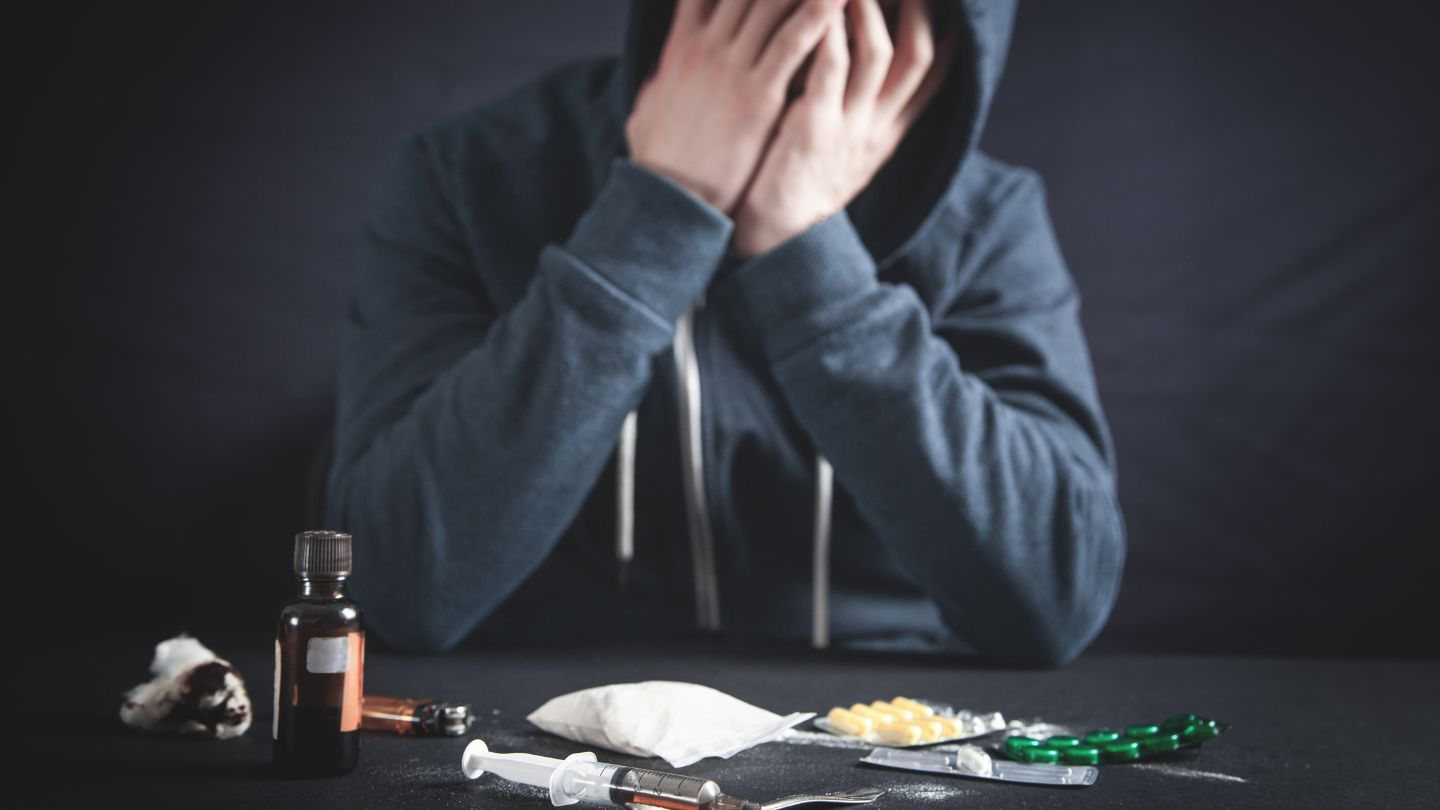
Heroin use disorder doesn’t only alter the body—it also introduces drastic behavioral changes. While physical signs indicate ongoing drug use, behavioral symptoms highlight shifts in personality and lifestyle. Keep an eye out for these behavioral warning signs:
-
Isolation
Heroin addicts may abandon social relationships and retreat into solitude. They often avoid family gatherings and show persistent disinterest in their loved ones.
-
Financial Issues
Persistent financial instability may point to heroin abuse, as sustaining a drug addiction often requires frequent borrowing or illegal activities to fund purchases.
-
Declined Functionality
Heroin addiction affects job performance and academic progress due to mental fog, fatigue, or reduced focus. Absenteeism and missed deadlines could stem from untreated heroin addiction.
-
Drug Paraphernalia
Items like burnt spoons, syringes, or small plastic baggies may indicate drug addiction. The presence of these confirms someone’s engagement in heroin use behaviors.
-
Risky Activities
Reckless decisions, including unsafe sexual behavior or driving under the influence, are common among individuals abusing heroin.
-
Secretive Behavior
Heroin addicts might hide their substance use through lies, avoidance, or extreme measures to prevent others from finding out.
Psychological Symptoms of Heroin Addiction
Heroin profoundly impacts mental health. The cognitive symptoms tied to heroin use disorder reflect a struggle that extends beyond physical dependency, often spilling into depression, anxiety disorders, and paranoia.
-
Mood Swings
Individuals abusing heroin often display abrupt emotional shifts, swinging between euphoria and irritability. These mood alterations may mirror moments of use and withdrawal.
-
Cravings
One of the hallmark symptoms of heroin addiction is the intense, compulsive urge to obtain the drug at all costs.
-
Memory Problems
Heroin addiction impairs focus and memory. Tasks requiring concentration might become difficult, leading to cognitive symptoms that disrupt daily life.
-
Depression and Anxiety
Heroin use worsens mental health, sometimes contributing to anxiety disorders or depressive disorders. The emotional pain of addiction often deepens feelings of hopelessness in affected individuals.
-
Paranoia
Chronic heroin abuse may lead to distrust or irrational fears. These psychosocial symptoms can distort reality, making it harder for heroin addicts to seek help.
Read more: What Are the Long-term Heroin Use Side Effects I Should Be Worried About?
Recognizing Heroin Withdrawal Symptoms

Withdrawal from heroin exemplifies the physical dependence caused by the drug. These symptoms include:
-
Extreme Drug Cravings
-
Severe Muscle Pain
-
Sweating and Tremors
-
Restlessness or Insomnia
-
Flu-Like Symptoms
-
Frequent Yawning
Left untreated, heroin withdrawal can push individuals back into substance abuse or lead to dangerous complications. A structured and supportive environment is essential for recovery.
How Heroin Addiction Affects Mental Health
Heroin abuse isn’t solely a physical battle—it ravages the mind over time. For example, heroin alters opioid receptors in the brain, rewiring pathways that regulate mood and stress. These disruptions feed into long-term effects like depression or anxiety.
If you or someone you know questions how heroin affects your mental health, exploring the connection between drug addiction and emotional resilience is crucial. Untreated heroin addiction exacerbates stress and psychological difficulties, creating a cycle that’s challenging to break alone.
Breaking the Cycle of Heroin Addiction
If you suspect someone is abusing heroin, approach the situation with empathy. Supportive discussions about treatment options can make a significant difference. Addiction is a disorder, not a choice—a fact worth emphasizing when someone is struggling with shame or denial.
Effective Treatment for Heroin Addiction
Heroin addiction treatment spans medical care, behavioral therapy, and emotional support. Options include:
-
Medication-Assisted Treatment
Therapies using medications like methadone help reduce withdrawal symptoms and heroin cravings.
-
Medical Detox
Under the supervision of health professionals, detox helps clear the body of harmful substances, promoting safer withdrawal.
-
Behavioral Therapy
Therapeutic techniques—such as Cognitive Behavioral Therapy—address the root causes tied to opioid use and substance abuse.
-
Rehabilitation Programs
Long-term rehab builds coping skills and reinforces sobriety.
-
Support Communities
Groups designed for recovering heroin addicts provide invaluable encouragement throughout the treatment stages.
Discover Hope Through the Heroin Recovery Podcast
Recovery begins with connection, education, and support. If you or a loved one are ready to begin the healing process, contact us today. Explore the heroin recovery podcast —it’s a place where we share honest conversations, practical advice, and inspiring recovery stories designed to help you or your loved ones tackle the challenges of addiction.
Start your recovery journey with us today—because we’re stronger when we face addiction together.