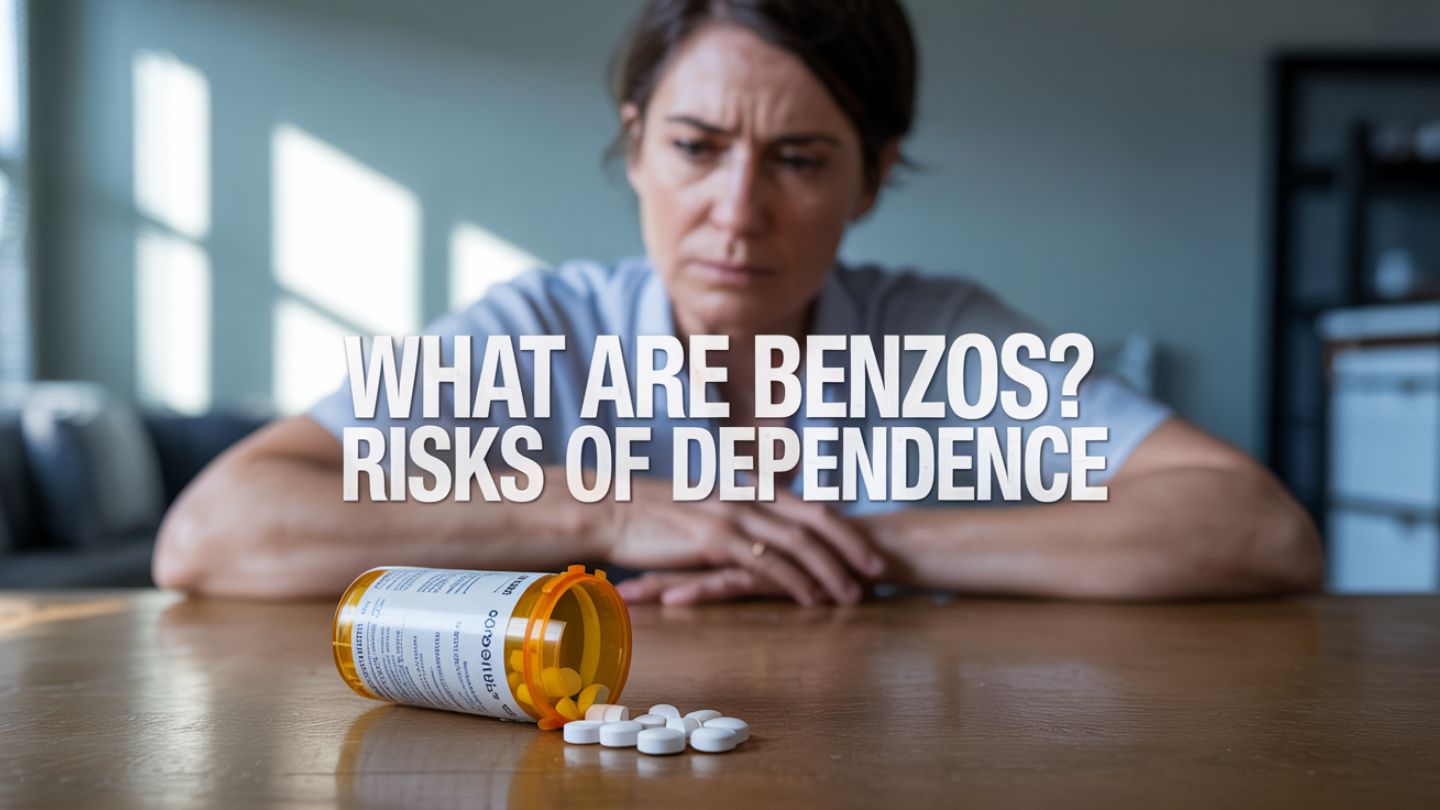
Benzodiazepines are widely prescribed medications that affect the central nervous system and are commonly associated with anxiety relief, sleep support, and seizure control. While they play an essential role in managing certain mental health conditions, long-term or improper use can lead to serious risks, including dependence and addiction. In this blog, understanding how these medications work and how dependence develops is essential for anyone who has been prescribed them or is concerned about their use.
Understanding Benzodiazepines and Their Purpose
Often prescribed for anxiety disorder, panic disorder, and panic attacks, benzodiazepines work by calming overactive brain signals. They act on benzodiazepine receptors in the brain, enhancing the effects of a neurotransmitter that slows nervous system activity. This mechanism helps reduce distress, promote relaxation, and manage symptoms related to specific mental disorders.
A prescribed benzodiazepine may also be used in medical settings for alcohol withdrawal, muscle spasms, or short-term sleep difficulties. In controlled, time-limited situations, benzodiazepine medication can be effective. Problems tend to arise when use extends beyond recommended durations or when dosage increases over time.
Benzodiazepine Use and the Development of Dependence
Regular benzodiazepine use can change how the brain regulates stress and calm. Over time, the body may adapt to the presence of the drug, leading to physical dependence. This means the nervous system begins to rely on the medication to function normally.
As tolerance develops, some individuals require a higher dose to achieve the same effect. This pattern increases the risk of benzodiazepine misuse and benzodiazepine abuse, even when the original intention was therapeutic. In many cases, people do not recognize dependence until they attempt to reduce or stop the medication.
Risks and Contributing Factors
Several risk factors influence whether someone develops benzodiazepine dependence. These may include long-term prescriptions, prior substance abuse, co-occurring mental health disorders, or mixing benzodiazepine medications with alcohol or other drugs. Combining substances significantly raises the risk of overdose and other medical complications.
Benzo addiction can also develop quietly, particularly when medications are taken as directed but for extended periods. This has led many clinicians to describe benzodiazepines as the silent addiction epidemic, where dependence progresses unnoticed due to normalized prescribing practices.
Withdrawal and Its Challenges
Benzodiazepine withdrawal can be complex and, in some cases, severe. Symptoms may include heightened anxiety, sleep disruption, tremors, and sensory sensitivity. Severe withdrawal symptoms can involve seizures or medical emergencies, which is why sudden discontinuation is strongly discouraged.
The experience of withdrawal varies depending on dosage, duration of drug use, and individual health factors. Benzodiazepine overdose risk also increases when individuals attempt to self-manage dosage changes without medical guidance. Clinical discussions around benzodiazepine dependence podcast tapering strategies often stress the importance of slow, structured reduction plans.
Broader Impact on Mental Health

Dependence on benzodiazepines can complicate existing mental health conditions. While the medication may initially ease distress, long-term use can worsen emotional regulation and increase vulnerability to relapse symptoms. This cycle often overlaps with substance use disorder and broader substance use patterns, making recovery more complex.
Research published across the psychiatry fields, including journals such as J Clin Psychiatry and J Psychiatry, continues to examine how long-term exposure affects cognition, mood stability, and emotional resilience.
Treatment and Recovery Considerations

Effective benzodiazepine addiction treatment focuses on safety, gradual reduction, and comprehensive care. Tapering protocols are often combined with behavioral therapy to address both physical dependence and underlying emotional drivers.
Short-acting medications deserve special attention, as highlighted in triazolam dependence short-acting benzo dangers, where rapid onset and offset can intensify withdrawal cycles. Recovery planning may also address overlapping risks discussed in Z-drug dependence beyond benzodiazepines, particularly for individuals prescribed sleep medications.
A well-structured treatment option may involve addressing drug addiction, drug abuse, or substance abuse while restoring healthy coping strategies.
Moving Toward Informed Decisions
Benzodiazepine treatment can be appropriate when carefully prescribed and closely monitored. However, awareness of benzodiazepine use disorder, dependence, and misuse is critical for preventing long-term harm. Education empowers individuals to recognize early warning signs and seek support before complications escalate. Evidence-based harm reduction for benzodiazepine tapering strategies emphasizes individualized care rather than abrupt cessation.
Final Thoughts
Benzodiazepines can be effective when used appropriately, but long-term use carries serious risks, including dependence, withdrawal complications, and challenges to mental health. Understanding how these medications affect the brain, recognizing early warning signs, and learning about safe treatment approaches can help individuals make informed decisions and seek support before dependence escalates.
At The Rehab, we recognize how deeply addiction and mental health are connected. Through thoughtful conversations and lived experience, the best addiction recovery podcast shares meaningful discussions on dependence, withdrawal, and treatment across substances. Our recovery podcast list also includes insights on heroin addiction, OxyContin addiction, fentanyl addiction, hydrocodone addiction, and hydromorphone addiction. Contact us to learn how we support individuals and families through reliable education and recovery-focused resources.