
Alcohol consumption is a common social activity that many people enjoy. However, it’s important to understand the impact that alcohol can have on your skin health. The effects of alcohol on the body are well-documented, but its impact on the skin is often overlooked. In this article, we will explore the science behind alcohol’s effect on skin health, the various skin conditions linked to alcohol consumption, and how alcohol can cause premature aging and wrinkles. We will also discuss the connection between alcohol and acne, the importance of hydration for healthy skin, and tips for protecting your skin while drinking alcohol.
The Science Behind Alcohol’s Effect on Skin Health
When you consume alcohol, it is processed by your liver. The liver is responsible for breaking down alcohol into acetaldehyde, a toxic substance that can cause damage to various organs in the body, including the skin. This process can lead to inflammation and oxidative stress, which can have a negative impact on your skin health.
Additionally, alcohol is a diuretic, meaning it increases urine production and can lead to dehydration. Dehydration can cause your skin to become dry, dull, and less elastic. It can also exacerbate existing skin conditions and make them more difficult to manage.
Skin Conditions Linked to Alcohol Consumption
There are several skin conditions that have been linked to alcohol consumption. One such condition is rosacea, a chronic inflammatory skin condition that causes redness and visible blood vessels on the face. Alcohol is a known trigger for rosacea flare-ups and can worsen symptoms in those who already have the condition.
Psoriasis is another skin condition that has been linked to alcohol consumption. Psoriasis is an autoimmune disease that causes red, scaly patches on the skin. Alcohol can trigger psoriasis flare-ups and make symptoms more severe.
Eczema and dermatitis are two other skin conditions that can be exacerbated by alcohol consumption. Both conditions cause inflammation and irritation of the skin, and alcohol can further irritate the skin and make symptoms worse.
How Alcohol Causes Premature Aging and Wrinkles
One of the most significant impacts of alcohol on the skin is its ability to cause premature aging and wrinkles. Alcohol can interfere with collagen production, a protein that gives your skin its structure and elasticity. When collagen production is disrupted, your skin becomes less firm and more prone to wrinkles.
Alcohol also increases the production of free radicals in the body. Free radicals are unstable molecules that can damage cells and accelerate the aging process. They can break down collagen and elastin, two proteins that are essential for maintaining youthful-looking skin.
Furthermore, alcohol can deplete your body’s vitamin A levels, which is crucial for maintaining healthy skin. Vitamin A helps to promote cell turnover and repair damaged skin cells. When vitamin A levels are low, your skin’s ability to regenerate and heal is compromised, leading to premature aging.
Alcohol and Acne: The Connection You Need to Know
Acne is a common skin condition that affects many people, especially during adolescence. While there are several factors that contribute to the development of acne, alcohol consumption can play a role in exacerbating the condition.
Alcohol can disrupt hormone levels in the body, particularly testosterone. Increased testosterone levels can lead to an overproduction of sebum, an oily substance that can clog pores and contribute to acne development.
Additionally, alcohol has been shown to increase inflammation in the body. Inflammation plays a significant role in acne development, as it can lead to the formation of red, painful pimples.
The Importance of Hydration for Healthy Skin
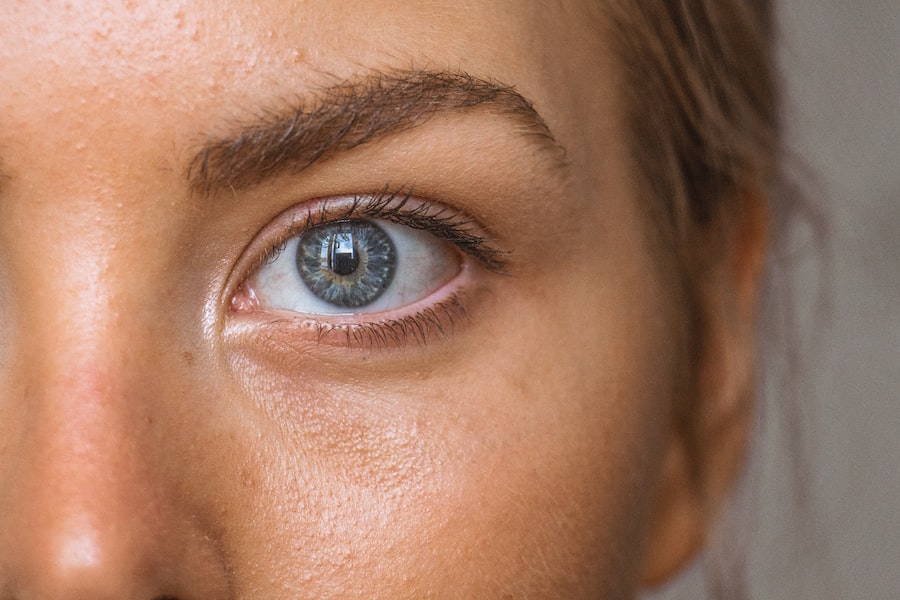
As mentioned earlier, alcohol is a diuretic and can lead to dehydration. Dehydration can have a detrimental effect on your skin health. When your body is dehydrated, your skin becomes dry, flaky, and less elastic. It can also exacerbate existing skin conditions and make them more difficult to manage.
Staying hydrated is crucial for maintaining healthy skin. Water helps to flush out toxins from the body and keeps your skin hydrated from the inside out. It also helps to maintain the skin’s natural moisture barrier, which is essential for protecting against environmental damage.
To stay hydrated while drinking alcohol, it’s important to drink plenty of water before, during, and after consuming alcohol. This will help to counteract the dehydrating effects of alcohol and keep your skin looking and feeling its best.
How to Protect Your Skin While Drinking Alcohol
While it’s best to limit alcohol consumption for the sake of your overall health, there are steps you can take to protect your skin while drinking alcohol.
First and foremost, it’s important to use sunscreen. Alcohol can make your skin more sensitive to the sun’s harmful UV rays, increasing your risk of sunburn and skin damage. Apply a broad-spectrum sunscreen with an SPF of 30 or higher before going outside, even on cloudy days.
Antioxidants are also crucial for protecting your skin from the damaging effects of alcohol. Antioxidants help to neutralize free radicals in the body and prevent oxidative stress. Incorporate foods rich in antioxidants into your diet, such as fruits, vegetables, and green tea.
Seeking Help: The Role of Medical Addiction Treatment in Recovery
If you find that you are struggling with alcohol addiction, seeking professional help is essential for both your overall health and your skin health. Alcohol addiction can have a significant impact on your physical and mental well-being, including your skin.
Medical addiction treatment programs offer comprehensive care for individuals struggling with alcohol addiction. These programs provide a safe and supportive environment for detoxification and withdrawal management. They also offer therapy and counseling to address the underlying causes of addiction and develop healthy coping mechanisms.
By seeking professional help for alcohol addiction, you can not only improve your skin health but also enhance your overall quality of life.
Finding Support: The Best Addiction Recovery Podcasts to Listen to
Finding support during recovery is crucial for long-term success. One way to find support is by listening to addiction recovery podcasts. These podcasts provide valuable insights, personal stories, and practical tips for overcoming addiction and maintaining sobriety.
Some of the best addiction recovery podcasts to listen to include “The Recovery Show,” “The SHAIR Podcast,” and “The Addicted Mind Podcast.” These podcasts feature interviews with experts in the field of addiction recovery, as well as individuals who have successfully overcome addiction themselves.
Listening to addiction recovery podcasts can provide inspiration, motivation, and a sense of community during your recovery journey.
Moving Forward: Tips for Maintaining Healthy Skin in Recovery
Once you have overcome alcohol addiction, it’s important to continue taking care of your skin to maintain its health and vitality.
A healthy diet and regular exercise are essential for maintaining healthy skin. Incorporate foods rich in vitamins, minerals, and antioxidants into your diet, such as fruits, vegetables, whole grains, and lean proteins. Exercise regularly to improve blood circulation and promote healthy skin cell turnover.
Stress management is also crucial for maintaining healthy skin. Stress can have a negative impact on your skin health and contribute to various skin conditions. Find healthy ways to manage stress, such as practicing mindfulness meditation, engaging in hobbies or activities you enjoy, and seeking support from friends, family, or a therapist.
In conclusion, alcohol can have a significant impact on your skin health. It can cause various skin conditions, premature aging and wrinkles, acne, and dehydration. However, by understanding the science behind alcohol’s effect on the skin and taking steps to protect and care for your skin while drinking alcohol, you can minimize the negative effects. If you are struggling with alcohol addiction, seeking professional help is essential for both your overall health and your skin health. By taking care of your skin and maintaining a healthy lifestyle in recovery, you can ensure that your skin remains healthy and vibrant for years to come.
If you’re interested in learning more about the effects of alcohol on the body, you might also want to check out this article on how alcohol affects blood sugar levels. It delves into the specific impact of alcohol consumption on individuals with diabetes and provides valuable insights into the potential risks and complications that can arise. Understanding these effects can help individuals make informed decisions about their alcohol consumption and manage their health effectively.
Frequently Asked Questions About Effects of Alcohol On Skin
What are the effects of alcohol on the skin?
Alcohol can cause dehydration, inflammation, and damage to the skin’s barrier function, leading to premature aging, acne, and other skin problems.
How does alcohol cause dehydration?
Alcohol is a diuretic, which means it increases urine production and can lead to dehydration. This can cause the skin to become dry, dull, and flaky.
What is the link between alcohol and inflammation?
Alcohol can trigger an inflammatory response in the body, which can lead to redness, swelling, and irritation of the skin. This can exacerbate existing skin conditions like rosacea and eczema.
How does alcohol damage the skin’s barrier function?
Alcohol can disrupt the skin’s natural barrier function, which helps to keep moisture in and harmful substances out. This can make the skin more vulnerable to environmental damage and infection.
Can drinking alcohol cause acne?
Yes, alcohol can contribute to the development of acne by increasing inflammation and oil production in the skin. It can also disrupt the balance of bacteria on the skin, leading to breakouts.
Does drinking alcohol accelerate the aging process?
Yes, alcohol can accelerate the aging process by damaging collagen and elastin fibers in the skin, which can lead to wrinkles, sagging, and other signs of aging. It can also cause oxidative stress, which can further damage the skin’s cells.