The connection between trauma and heroin addiction is far deeper than most people realize. Traumatic experiences, whether they occur in childhood or adulthood, can leave lasting psychological and neurological effects that make individuals more vulnerable to substance use. When pain and memories become unbearable, some people turn to heroin as a temporary escape from emotional distress.
Heroin, a powerful opioid, can numb both physical and emotional pain. For someone struggling with unresolved trauma, the euphoric effects offer a fleeting sense of relief. Unfortunately, this short-term comfort can quickly develop into a long-term dependency, leading to a cycle of addiction, withdrawal, and relapse that becomes increasingly difficult to break without professional intervention.
How Are Trauma and Heroin Addiction Connected?
To understand how trauma and heroin addiction are connected, it’s essential to recognize how trauma changes the brain. A traumatic event, such as violence, abuse, war, or a natural disaster, alters the brain’s stress-response system. When this system remains overactive for too long, it can cause chronic anxiety, hypervigilance, and emotional instability.
Heroin temporarily soothes these symptoms by flooding the brain with dopamine and endorphins, the chemicals responsible for pleasure and calm. This artificial sense of peace, however, reinforces dependence, especially in people with unresolved post-traumatic stress disorder (PTSD) or long-term stress. Over time, the body begins to crave the drug just to feel “normal,” perpetuating the cycle of use and emotional suppression.
Professionals emphasize the value of trauma-informed approaches, as seen in the impact of trauma-informed care on addiction treatment, where structured, empathetic care supports long-term stability in patients recovering from both trauma and addiction.
The Link Between Trauma and Heroin Addiction in Everyday Life
The link between trauma and heroin addiction often begins with the attempt to self-medicate. People who experience childhood trauma, sexual abuse, or domestic violence frequently develop symptoms like fear, nightmares, flashbacks, or emotional detachment. Without access to healthy coping mechanisms or mental health care, many individuals experiment with drugs or alcohol to manage those painful emotions.
Studies show that survivors of adverse childhood experiences, including neglect, emotional abuse, and household instability, have a significantly higher risk of developing substance use disorders later in life. Heroin becomes a coping tool for numbing feelings of guilt, shame, or depression. Sadly, while it provides momentary escape, it also deepens emotional disconnection and physical dependency.
Many treatment specialists use advanced therapeutic methods, such as EMDR therapy, to process trauma in addiction recovery, to help patients safely confront distressing memories while rebuilding emotional balance and reducing relapse potential.
Can Trauma Trigger a Heroin Addiction?
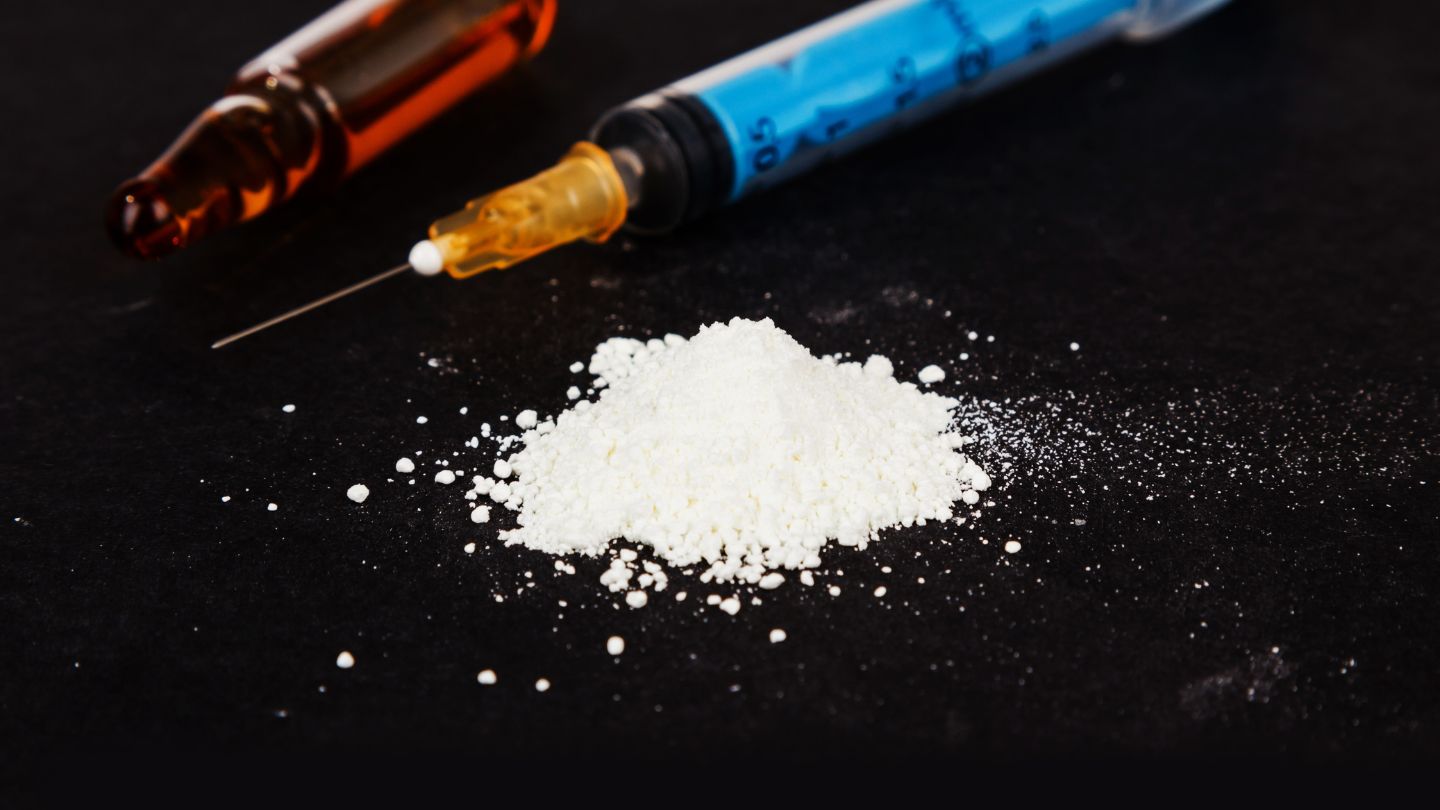
So, can trauma trigger a heroin addiction? In many cases, yes. Trauma serves as a powerful risk factor for substance abuse, particularly when left unaddressed. When traumatic memories resurface, they can provoke overwhelming emotions, such as panic, sadness, or rage, that individuals may try to suppress with heroin use.
Veterans returning from combat, survivors of childhood abuse, and victims of natural disasters or sexual abuse often struggle with PTSD symptoms such as intrusive thoughts, sleep disturbances, and flashbacks. These experiences increase vulnerability to substance use as individuals attempt to self-soothe or escape distressing sensations.
Addressing the effects of trauma on heroin addiction requires specialized treatment that integrates trauma-informed therapy with addiction recovery, ensuring both conditions are treated simultaneously for lasting results. Modern recovery programs often integrate trauma-informed models, such as those described in trauma-informed care, which help patients heal from emotional scars while overcoming dependency.
The Psychological Effects of Trauma on Addiction
Unresolved trauma reshapes how the brain processes fear, safety, and reward. When these systems are disrupted, emotional regulation becomes nearly impossible without intervention. Individuals may turn to drug use to calm internal chaos, but each use further reinforces dependency.
The effects of trauma on heroin addiction can manifest as emotional detachment, dissociation, or avoidance behaviors. Many patients with co-occurring disorders, such as depression and anxiety, rely on heroin to escape constant emotional pain. This dual struggle, fighting both trauma and addiction, requires a comprehensive, medically guided recovery plan to restore balance and resilience. Therapeutic frameworks that emphasize healing from the addiction trauma connection and healing the past show how addressing emotional pain can transform long-term recovery outcomes.
Childhood Trauma and Its Role in Substance Use

The influence of childhood trauma on future substance use is profound. Early exposure to instability or abuse can rewire the brain’s stress response, creating a lifelong predisposition to addiction. When children grow up in unpredictable or unsafe environments, their brains adapt by remaining in a state of high alert. As adults, they may seek external substances to regulate overwhelming emotions.
Childhood abuse, neglect, or witnessing violence contributes to a deep sense of insecurity and self-blame. Without therapy or healthy emotional outlets, these individuals may turn to drug abuse or alcohol as coping mechanisms. Heroin’s intense euphoric effect often becomes a substitute for the emotional comfort they never received, making professional treatment crucial to break the cycle. Clinicians frequently highlight how heroin abuse affects mental health to demonstrate the powerful link between emotional distress, trauma exposure, and substance dependency.
Trauma and the Brain: Why Some People Are More Vulnerable
Not everyone who experiences trauma develops a substance use disorder, but certain factors increase susceptibility. Genetics, environment, personality, and emotional support systems all influence how a person responds to traumatic experiences. Research presented on heroin damage to the brain and the serious effects of heroin on the brain reinforces how heroin use alters brain structure and function, making trauma-focused recovery programs vital for restoring both neurological stability and emotional balance.
Those with limited access to care or who face ongoing stress, like veterans or survivors of long-term abuse, have a greater risk of using heroin to escape emotional pain. The body remembers trauma, and over time, unresolved memories can lead to chronic anxiety or physical discomfort that individuals attempt to alleviate through drug use. The combination of psychological vulnerability and biological craving creates the perfect storm for addiction, emphasizing the importance of early intervention and trauma-informed care. Recognizing the signs of heroin addiction early allows clinicians and families to identify when trauma has evolved into compulsive substance use, making timely intervention possible.
How Trauma Leads to Heroin Addiction
The process of how trauma leads to heroin addiction is gradual but predictable. After a traumatic experience, the body releases stress hormones like cortisol and adrenaline. While these responses are helpful during moments of danger, prolonged exposure can overwhelm the brain and body.
When emotional pain becomes unmanageable, heroin offers instant relief by dampening the brain’s stress signals. Over time, the person relies on heroin not just for euphoria but to escape the deep psychological discomfort that trauma leaves behind.
Without professional therapy or emotional support, the addiction strengthens as the individual becomes dependent on heroin to function. Addressing this cycle requires evidence-based interventions that heal both trauma and addiction together.
The Importance of Treating Underlying Trauma
For patients struggling with both heroin addiction and trauma, recovery must go beyond detoxification. The goal is not just to stop using heroin but to heal the underlying trauma that drives the addiction.
Comprehensive treatment programs include individual and group therapy, trauma-informed care, and medication management when necessary. These approaches address both the emotional wounds and the biological aspects of addiction, giving patients the best chance at long-term stability.
Therapies such as cognitive behavioral therapy (CBT), eye movement desensitization and reprocessing (EMDR), and exposure-based therapy have proven effective in treating post-traumatic stress disorder and addiction simultaneously. Healing is possible when trauma and addiction are viewed as interconnected conditions rather than separate problems.
Building Resilience Through Recovery
Recovery from substance abuse and trauma is not a linear process; it requires patience, perseverance, and professional guidance. Resilience plays a key role in maintaining sobriety. By developing emotional strength, patients learn how to manage triggers and face stress without returning to destructive coping behaviors.
Through professional treatment, individuals begin to rebuild trust, self-worth, and confidence. With ongoing therapy and support, patients can reclaim control over their lives, learn healthier coping mechanisms, and find peace after years of pain. The journey toward healing proves that even after trauma and heroin addiction, recovery is not only possible; it’s transformative.
Preventing Relapse by Addressing Trauma

Many relapses occur because unresolved trauma continues to influence behavior even after detox. During stressful moments or when confronted with painful memories, patients may experience an overwhelming urge to return to heroin use.
Comprehensive care prevents relapse by integrating trauma therapy into every stage of addiction treatment. Understanding triggers, building coping skills, and strengthening emotional awareness reduces the risk of returning to drug use. With compassionate care and continued professional support, individuals can achieve lasting recovery, learning to face challenges without relying on substances.
Why Professional Help Is Essential
Attempting to overcome heroin addiction and trauma alone can be overwhelming. Both conditions require medical expertise and continuous therapeutic support. The Rehab emphasizes evidence-based methods, including trauma-informed therapy, to ensure patients receive care tailored to their individual needs.
Through structured treatment, ongoing counseling, and holistic recovery programs, patients can heal the body, mind, and spirit simultaneously. Professional help provides accountability, structure, and safety; essential components for sustained transformation and long-term sobriety. Stories featured in the episodes from the best heroin addiction podcast reflect the real-life strength of individuals who sought professional guidance to overcome the lasting effects of trauma and addiction.
The Bottom Line
Healing from trauma and heroin addiction demands a compassionate, clinical approach that addresses both the emotional and physical aspects of recovery. Understanding the connection between trauma and heroin addiction empowers individuals to seek specialized treatment designed to repair the mind-body connection and restore emotional balance.
At The Rehab, patients can access a range of recovery resources, including therapy, detox programs, and our insightful heroin addiction podcast, which explores real stories, expert insights, and strategies for long-term wellness. This holistic approach helps individuals process trauma, rebuild resilience, and find strength in recovery. Begin your path to healing today; contact us to take the first step toward lasting change.