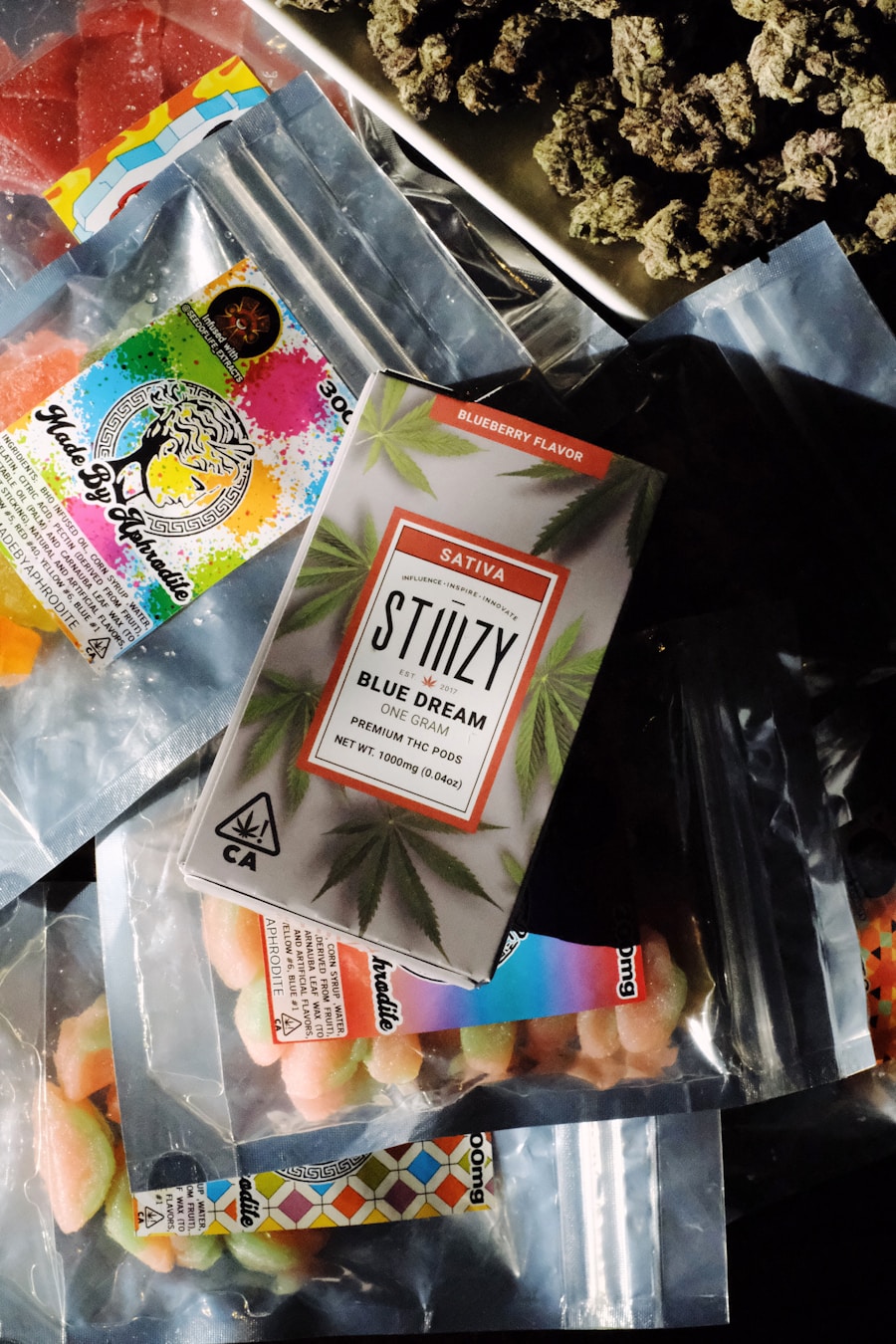
Synthetic cannabinoids, often referred to as K2 or Spice, are man-made chemicals designed to mimic the effects of natural cannabis. These substances are typically sprayed onto plant material and marketed as a legal alternative to marijuana. The allure of synthetic cannabinoids lies in their availability and the perception that they are safer than traditional cannabis.
However, the reality is far more complex. The chemical composition of synthetic cannabinoids can vary significantly, leading to unpredictable effects on users. Unlike natural cannabis, which contains a well-studied array of compounds, synthetic cannabinoids can interact with the body’s endocannabinoid system in ways that are not fully understood.
The production of synthetic cannabinoids is largely unregulated, allowing manufacturers to create new compounds rapidly to evade legal restrictions. This constant evolution means that users may be exposed to substances that have not been tested for safety or efficacy. Reports indicate that synthetic cannabinoids can be significantly more potent than THC, the primary psychoactive component of cannabis.
Users may experience intense euphoria, altered perception, and heightened sensory experiences, but these effects can quickly turn dangerous. The unpredictability of these substances can lead to severe health risks, including anxiety, paranoia, hallucinations, and even life-threatening conditions such as seizures or cardiac arrest.
The Dangers of K2/Spice Addiction
The dangers associated with K2 and Spice extend beyond the immediate physical effects; they also encompass the potential for addiction and long-term psychological consequences. Users may initially turn to synthetic cannabinoids for their euphoric effects or as a means of coping with stress or anxiety. However, the risk of developing a dependency is significant.
As users consume these substances more frequently to achieve the desired effects, they may find themselves trapped in a cycle of addiction that is difficult to break. The withdrawal symptoms associated with synthetic cannabinoid cessation can be severe and include irritability, insomnia, and intense cravings. Moreover, the societal implications of K2 and Spice addiction are profound.
These substances are often used in public spaces, leading to increased incidents of erratic behavior and public disturbances. Law enforcement agencies frequently encounter individuals under the influence of synthetic cannabinoids exhibiting violent or unpredictable behavior, which can pose risks not only to themselves but also to those around them. The stigma surrounding drug addiction can further complicate recovery efforts, as individuals may feel isolated or ashamed of their struggles.
This stigma can deter them from seeking help or support, perpetuating a cycle of addiction that is difficult to escape.
Signs and Symptoms of Synthetic Cannabinoid Addiction
Identifying addiction to synthetic cannabinoids can be challenging due to the variability in individual responses and the lack of awareness surrounding these substances. However, certain signs and symptoms can indicate a developing addiction. One common indicator is an increased tolerance; users may find that they need to consume larger amounts of K2 or Spice to achieve the same effects they once experienced with smaller doses.
This escalation often leads to more frequent use, which can further entrench the addiction. Behavioral changes are also significant markers of synthetic cannabinoid addiction. Individuals may become secretive about their drug use, withdrawing from social activities or relationships that do not involve substance use.
They might exhibit mood swings, irritability, or anxiety when not under the influence. Physical symptoms can include rapid heart rate, nausea, and in some cases, seizures or loss of consciousness. These symptoms can vary widely depending on the specific synthetic cannabinoid used and the individual’s overall health, making it crucial for friends and family members to remain vigilant for changes in behavior or health.
Treatment Options for K2/Spice Addiction
Addressing K2 and Spice addiction requires a multifaceted approach tailored to the individual’s needs. Treatment options typically begin with detoxification, where medical professionals supervise the withdrawal process to ensure safety and comfort. This phase can be particularly challenging due to the intense cravings and psychological distress that often accompany cessation.
Medical intervention may include medications to manage withdrawal symptoms and stabilize mood. Following detoxification, many individuals benefit from comprehensive rehabilitation programs that incorporate behavioral therapies. Cognitive-behavioral therapy (CBT) is particularly effective in helping individuals understand the underlying triggers for their substance use and develop coping strategies to manage cravings and stress without resorting to drugs.
Group therapy sessions can also provide a supportive environment where individuals share their experiences and learn from one another. Additionally, holistic approaches such as mindfulness meditation, yoga, and nutritional counseling can play a vital role in promoting overall well-being during recovery.
The Impact of Synthetic Cannabinoid Addiction on Mental Health
The relationship between synthetic cannabinoid addiction and mental health is complex and often detrimental. Many individuals who turn to K2 or Spice do so as a means of coping with pre-existing mental health issues such as anxiety, depression, or trauma. However, the use of these substances can exacerbate these conditions, leading to a vicious cycle where individuals feel compelled to use more in an attempt to alleviate their symptoms.
Research has shown that synthetic cannabinoids can induce severe anxiety and paranoia in some users, which may lead to further mental health deterioration. Moreover, the long-term effects of synthetic cannabinoid use on mental health are still being studied, but early findings suggest a correlation between prolonged use and increased risk of psychiatric disorders. Users may experience persistent mood swings, cognitive impairments, and an increased likelihood of developing conditions such as schizophrenia or bipolar disorder.
The stigma surrounding addiction can further complicate mental health treatment; individuals may avoid seeking help for fear of judgment or discrimination, leading to untreated mental health issues that compound their struggles with addiction.
Recovery Stories from Synthetic Cannabinoid Addiction
Rebuilding Trust and Family
Another inspiring recovery story comes from Sarah, a mother who struggled with K2 addiction while trying to raise her children. Her addiction led her to neglect her responsibilities and put her family at risk. After several failed attempts at quitting on her own, Sarah entered a comprehensive treatment program that included family therapy sessions aimed at rebuilding trust with her children. Through hard work and dedication, she has been able to maintain her sobriety for over two years now and has become an active member of her community’s support network for families affected by addiction.
A New Chapter of Hope
Today, Alex advocates for awareness around synthetic cannabinoids and shares his story at community events to help others understand the dangers associated with these substances.
How to Support a Loved One Struggling with K2/Spice Addiction
Supporting a loved one struggling with K2 or Spice addiction requires compassion, understanding, and patience. It is essential to approach the situation without judgment or anger; this can create an environment where open communication is possible. Expressing concern for their well-being rather than focusing solely on their drug use can help them feel supported rather than attacked.
It’s important to listen actively when they share their feelings or experiences related to their addiction. Encouraging your loved one to seek professional help is crucial but should be done gently. Offer assistance in finding treatment options or attending support groups together if they are open to it.
Educating yourself about synthetic cannabinoids can also empower you to have informed discussions about the risks associated with their use. Additionally, setting healthy boundaries is vital; while it’s important to offer support, it’s equally important to protect your own mental health by not enabling destructive behaviors.
Resources for Those Seeking Help with Synthetic Cannabinoid Addiction
For individuals seeking help with synthetic cannabinoid addiction, numerous resources are available that provide support and guidance throughout the recovery process. National helplines such as the Substance Abuse and Mental Health Services Administration (SAMHSA) offer confidential assistance 24/7 for those struggling with substance use disorders. Their website provides a wealth of information on treatment options and local resources tailored to individual needs.
Local community organizations often host support groups specifically for those affected by synthetic cannabinoid addiction or broader substance use issues. These groups provide a safe space for individuals to share their experiences and connect with others who understand their struggles. Online forums and resources also exist for those who may prefer anonymity or remote support options.
Websites like SMART Recovery offer tools and strategies for self-help while fostering a sense of community among participants. In addition to these resources, many rehabilitation centers now offer specialized programs focusing on synthetic cannabinoid addiction due to its unique challenges. These programs often incorporate evidence-based therapies alongside holistic approaches aimed at promoting overall well-being during recovery.
By leveraging these resources, individuals struggling with K2 or Spice addiction can find the support they need on their journey toward recovery.