Psilocybin, the psychoactive compound found in certain species of mushrooms, has garnered significant attention in recent years for its potential therapeutic benefits. While many individuals seek out psilocybin for its hallucinogenic properties and the profound experiences it can induce, there is a growing concern regarding the potential for addiction. Unlike substances such as opioids or alcohol, psilocybin is not typically associated with physical dependence; however, psychological dependence can develop.
This phenomenon raises questions about the nature of addiction itself and how it manifests in the context of psychedelics. The allure of psilocybin often lies in its ability to facilitate deep introspection and emotional healing. Many users report transformative experiences that can lead to lasting changes in perspective and behavior.
However, the line between therapeutic use and addiction can become blurred, particularly when individuals begin to rely on psilocybin as a coping mechanism for underlying issues such as anxiety, depression, or trauma. Understanding the nuances of psilocybin addiction is crucial for both users and mental health professionals, as it can inform safer practices and promote healthier relationships with these powerful substances.
The Rise of Microdosing
Personal Experiences and Anecdotal Reports
The rise of microdosing has been fueled by anecdotal reports from users who describe enhanced cognitive function and emotional well-being. Many individuals have reported positive experiences with microdosing, which has contributed to its growing popularity.
Research and Therapeutic Potential
The appeal of microdosing extends beyond individual users; it has also captured the interest of researchers and mental health professionals. Studies exploring the effects of microdosing on various psychological conditions are beginning to emerge, suggesting that even small amounts of psilocybin may have therapeutic potential.
A New Avenue for Treatment
For instance, some research indicates that microdosing could alleviate symptoms of anxiety and depression, providing a new avenue for treatment in an era where traditional pharmaceuticals often fall short. As more individuals experiment with microdosing, the conversation surrounding its safety and efficacy continues to evolve.
The Potential Dangers of Microdosing
Despite its growing popularity, microdosing is not without risks. One of the primary concerns is the potential for psychological dependence. Users may find themselves increasingly reliant on microdoses to function in their daily lives, leading to a cycle where they feel unable to cope without the substance.
This reliance can create a paradox where the intended benefits of microdosing—such as improved mood and focus—become overshadowed by anxiety about not having access to psilocybin. Additionally, the lack of regulation surrounding psilocybin mushrooms poses significant risks for those who choose to microdose. The potency of mushrooms can vary widely depending on factors such as species, growing conditions, and preparation methods.
This inconsistency can lead to unintended experiences or adverse effects, particularly for individuals who may be sensitive to psychedelics. Furthermore, the psychological effects of microdosing are not yet fully understood; while some users report positive outcomes, others may experience heightened anxiety or discomfort. The absence of standardized dosing guidelines exacerbates these risks, making it essential for individuals to approach microdosing with caution.
Case Study: Microdosing Gone Wrong
To illustrate the potential pitfalls of microdosing, consider the case of a young professional named Sarah. Seeking relief from chronic stress and anxiety related to her demanding job, Sarah began microdosing with psilocybin after hearing about its benefits from friends and online communities. Initially, she experienced positive effects—enhanced creativity during brainstorming sessions and a noticeable reduction in her anxiety levels.
However, as time went on, Sarah found herself increasing her dosage in an attempt to recapture those initial benefits. Over several months, Sarah’s reliance on microdosing grew. She began to feel anxious on days when she did not take psilocybin, leading her to prioritize her microdosing schedule over other aspects of her life.
Her work performance began to suffer as she struggled with concentration and motivation when she was not under the influence of psilocybin. Eventually, Sarah sought help from a mental health professional who helped her recognize her dependence on microdosing and guided her through a process of tapering off. This case highlights how even seemingly benign practices like microdosing can lead to unintended consequences when not approached mindfully.
The Best Psilocybin Addiction Podcast
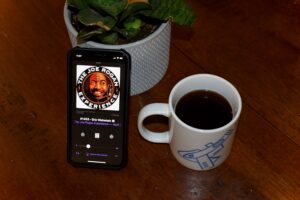
For those seeking to understand more about psilocybin addiction and its complexities, podcasts have emerged as valuable resources for education and support. One standout podcast in this realm is “The Psychedelic Experience,” which delves into various aspects of psychedelics, including psilocybin addiction. Hosted by experts in the field, this podcast features interviews with researchers, therapists, and individuals who share their personal experiences with psychedelics.
Listeners can gain insights into the science behind psilocybin, hear firsthand accounts of both positive and negative experiences, and learn about harm reduction strategies. The podcast also addresses the cultural context surrounding psychedelics and their resurgence in modern society. By providing a platform for open dialogue about psilocybin addiction and its implications, “The Psychedelic Experience” serves as an essential resource for anyone interested in navigating this complex landscape.
Expert Analysis and Insights
The Importance of Intention and Awareness
Experts in psychology and addiction studies stress the significance of understanding the psychological aspects of psilocybin use. Dr. Julie Holland, a renowned psychiatrist with expertise in psychedelics, emphasizes that while psilocybin has therapeutic potential, it is essential for users to approach it with intention and awareness.
Risks for Individuals with Mental Health Issues
Dr. Holland notes that individuals with a history of mental health issues may be more susceptible to developing problematic patterns of use. This highlights the need for caution and careful consideration when using psilocybin, particularly for those with pre-existing mental health conditions.
The Role of Context in Psilocybin Use
Dr. Michael Mithoefer, a leading researcher in psychedelic therapy, underscores the importance of context in determining the effects of psilocybin. The set (the user’s mindset) and setting (the environment) are critical factors that can influence whether an experience is beneficial or detrimental. Dr. Mithoefer advocates for structured environments where individuals can explore psychedelics under professional guidance, minimizing the risks associated with misuse or addiction.
Tips for Safe Psilocybin Use
For those considering psilocybin use—whether for therapeutic purposes or recreational exploration—there are several guidelines that can help ensure a safer experience. First and foremost, individuals should educate themselves about psilocybin and its effects before use. Understanding how it interacts with one’s mental state and physical health is essential for making informed decisions.
Additionally, starting with a low dose is advisable, especially for those new to psychedelics or those with a history of mental health challenges. This approach allows users to gauge their sensitivity to psilocybin without overwhelming effects. It is also beneficial to establish a supportive environment—preferably with trusted friends or guides present—where one feels safe and comfortable exploring their experience.
Keeping a journal can also be an effective tool for reflection before and after using psilocybin. Documenting thoughts and feelings can help users track their experiences over time and identify any patterns that may indicate problematic use. Finally, being mindful of frequency is crucial; spacing out sessions can prevent psychological dependence from developing.
Seeking Help for Psilocybin Addiction
Recognizing when psilocybin use has crossed into problematic territory is vital for maintaining mental health and well-being. Individuals who find themselves relying on psilocybin to cope with daily life or experiencing negative consequences from their use should consider seeking professional help. Mental health professionals trained in addiction treatment can provide support tailored to the unique challenges posed by psychedelic substances.
Therapeutic approaches such as cognitive-behavioral therapy (CBT) can be particularly effective in addressing underlying issues that may contribute to problematic use. Support groups focused on psychedelic recovery are also emerging as valuable resources where individuals can share their experiences and learn from one another in a non-judgmental environment. Ultimately, understanding psilocybin addiction requires a nuanced approach that considers both the potential benefits and risks associated with its use.
By fostering open conversations about these substances and promoting safe practices, individuals can navigate their journeys with greater awareness and responsibility.