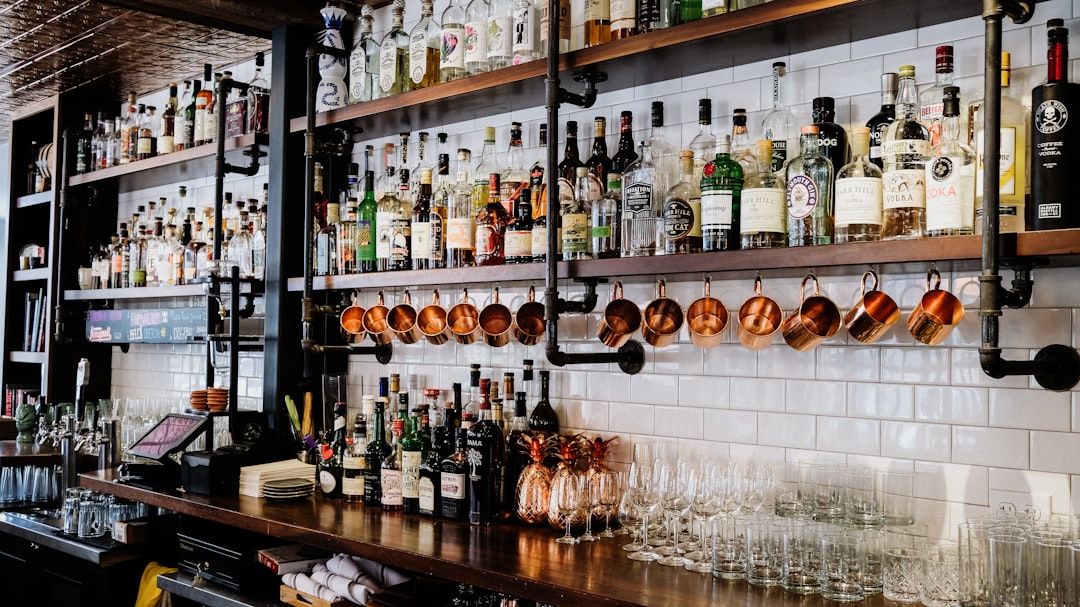
The sober curious movement is a growing trend that encourages individuals to reassess their relationship with alcohol. Rather than advocating for complete abstinence, this movement promotes a more mindful approach to alcohol consumption. Participants are encouraged to consider the effects of alcohol on their physical, mental, and emotional well-being, and to make informed decisions about their drinking habits.
This movement has gained popularity in recent years as more people seek alternatives to traditional drinking culture. Many individuals report experiencing benefits such as improved health, better sleep quality, increased productivity, and enhanced personal relationships when reducing or eliminating alcohol consumption. The sober curious approach emphasizes personal choice and empowerment, allowing individuals to align their drinking habits with their values and goals.
The sober curious movement is not focused on judgment or deprivation but rather on fostering a culture of conscious decision-making regarding alcohol use. It challenges societal norms and expectations surrounding drinking, particularly in social settings. As the movement continues to grow, it is prompting important discussions about the role of alcohol in society and encouraging individuals to explore alternative ways of socializing and relaxing without relying on alcohol.
Health Benefits of Living Alcohol-Free
Improved Sleep Quality
One of the most immediate benefits of abstaining from alcohol is improved sleep quality. Alcohol disrupts the body’s natural sleep cycle, leading to restless nights and decreased overall sleep quality. By eliminating alcohol from one’s routine, individuals often experience deeper, more restorative sleep, leading to increased energy levels and improved cognitive function throughout the day.
Improved Mental Health
Living alcohol-free can also lead to improved mental health. Alcohol is a depressant that can exacerbate symptoms of anxiety and depression. By removing alcohol from the equation, individuals may experience reduced feelings of anxiety and depression, leading to an overall improvement in mental well-being. Furthermore, abstaining from alcohol can lead to improved mood regulation and a greater sense of emotional stability.
Physical Health Benefits
Physically, living alcohol-free can lead to a wide range of health benefits. Alcohol consumption is linked to an increased risk of developing various types of cancer, liver disease, and heart problems. By eliminating alcohol from one’s lifestyle, individuals can reduce their risk of developing these serious health conditions. Additionally, living alcohol-free can lead to improved digestion, clearer skin, and a stronger immune system.
Overall, choosing to live an alcohol-free lifestyle can have a profound impact on one’s physical and mental well-being.
Tips for Embracing a Sober Lifestyle
Embracing a sober lifestyle can be a transformative and empowering experience. However, it can also come with its own set of challenges. Here are some tips for those looking to embrace a sober lifestyle: 1.
Find alternative activities: Instead of going out for drinks with friends, consider finding alternative activities that don’t revolve around alcohol. This could include going for a hike, trying a new fitness class, or attending a cultural event. 2.
Surround yourself with supportive people: It’s important to surround yourself with people who support your decision to live alcohol-free. Seek out friends and family members who understand and respect your choices, and who are willing to engage in activities that don’t involve alcohol. 3.
Educate yourself: Take the time to educate yourself about the sober curious movement and the benefits of living alcohol-free. Understanding the reasons behind your decision can help you stay committed to your goals. 4.
Practice self-care: Embracing a sober lifestyle can be challenging at times, so it’s important to prioritize self-care. This could include practicing mindfulness, engaging in regular exercise, or seeking out professional support if needed. 5.
Be patient with yourself: It’s important to be patient with yourself as you navigate the transition to a sober lifestyle. There may be times when you feel tempted or discouraged, but it’s important to remember that change takes time and effort.
Navigating Social Situations Without Alcohol
Navigating social situations without alcohol can be challenging, especially in a culture where drinking is often seen as a social norm. However, there are many strategies that can help individuals feel comfortable and confident in social settings without relying on alcohol: 1. Be prepared: If you’re attending a social event where alcohol will be present, consider bringing your own non-alcoholic beverages so that you have something to drink that you enjoy.
This can help you feel more at ease and less tempted to reach for an alcoholic drink. 2. Have a support system: If possible, attend social events with friends or family members who understand and support your decision to live alcohol-free.
Having a support system can provide encouragement and help you feel more comfortable in social settings. 3. Focus on the experience: Instead of fixating on the absence of alcohol, focus on the experience of being present in the moment and engaging with others.
Embrace the opportunity to connect with people on a deeper level without the distraction of alcohol. 4. Set boundaries: It’s important to set boundaries for yourself in social situations.
This could include deciding ahead of time how long you want to stay at an event or having an exit plan if you start to feel uncomfortable. 5. Find non-alcoholic alternatives: Many social settings now offer a variety of non-alcoholic drink options, such as mocktails or specialty sodas.
Take advantage of these alternatives so that you can still enjoy a delicious beverage without consuming alcohol.
Finding Support and Community in the Sober Curious Movement
Finding support and community in the sober curious movement is essential for those looking to embrace an alcohol-free lifestyle. There are many ways to connect with like-minded individuals who are also exploring the benefits of living sober: 1. Join online communities: There are numerous online communities and social media groups dedicated to the sober curious movement.
These platforms provide a space for individuals to share their experiences, seek advice, and connect with others who are on a similar journey. 2. Attend sober events: Many cities now offer sober events and gatherings where individuals can come together to socialize without the presence of alcohol.
These events provide an opportunity to meet new people and build a supportive community. 3. Seek out sober influencers: There are many influencers and public figures who openly share their experiences with living alcohol-free.
Following these individuals on social media or attending their events can provide inspiration and motivation for those looking to embrace a sober lifestyle. 4. Consider professional support: If you’re struggling to find support within your existing social circles, consider seeking out professional support through therapy or counseling.
A trained professional can provide guidance and encouragement as you navigate the challenges of living alcohol-free. 5. Engage in advocacy: Getting involved in advocacy efforts for the sober curious movement can be a powerful way to connect with others who share similar values and goals.
Whether it’s participating in awareness campaigns or attending community events, advocacy can help individuals feel connected to a larger movement.
Exploring Non-Alcoholic Alternatives and Mocktails
Exploring non-alcoholic alternatives and mocktails is an important aspect of embracing a sober lifestyle. Fortunately, there are now more options than ever for delicious and satisfying non-alcoholic beverages: 1. Mocktails: Mocktails are non-alcoholic versions of traditional cocktails that are made with a combination of juices, sodas, herbs, and other flavorful ingredients.
Mocktails come in a wide variety of flavors and styles, making them a fun and festive alternative for those looking to enjoy a special drink without alcohol. 2. Specialty sodas: Many companies now offer specialty sodas that are crafted with high-quality ingredients and unique flavor profiles.
These sodas provide a refreshing and flavorful option for those seeking an alternative to alcoholic beverages. 3. Alcohol-free spirits: There are now several brands that produce alcohol-free spirits that mimic the taste and complexity of traditional liquors such as gin, vodka, and whiskey.
These products can be used as substitutes in classic cocktail recipes or enjoyed on their own with mixers. 4. Herbal infusions: Herbal infusions are a great way to add depth and complexity to non-alcoholic beverages.
Infusing water or sparkling water with herbs such as mint, basil, or rosemary can create refreshing and aromatic drinks that are perfect for any occasion. 5. DIY creations: Get creative in the kitchen by experimenting with your own non-alcoholic drink creations.
Try mixing different fruit juices, herbal syrups, and sparkling water to come up with unique and delicious mocktail recipes that suit your personal taste preferences.
Embracing Mindfulness and Wellness in a Sober Lifestyle
Embracing mindfulness and wellness is an integral part of living a sober lifestyle. By prioritizing self-care and mindfulness practices, individuals can cultivate a greater sense of well-being and fulfillment: 1. Practice mindfulness: Mindfulness involves being fully present in the moment and paying attention to one’s thoughts, feelings, and surroundings without judgment.
Engaging in mindfulness practices such as meditation, deep breathing exercises, or yoga can help individuals stay grounded and centered as they navigate the challenges of living alcohol-free. 2. Prioritize self-care: Self-care is essential for maintaining overall wellness in a sober lifestyle.
This could include engaging in regular exercise, getting enough sleep, eating nourishing foods, and engaging in activities that bring joy and fulfillment. 3. Cultivate healthy habits: Living alcohol-free provides an opportunity to cultivate healthy habits that support overall wellness.
This could include establishing a regular exercise routine, practicing good sleep hygiene, and prioritizing nutritious meals. 4. Seek out holistic wellness practices: Holistic wellness practices such as acupuncture, massage therapy, or aromatherapy can provide additional support for individuals seeking to enhance their overall well-being in a sober lifestyle.
5. Connect with nature: Spending time in nature has been shown to have numerous benefits for mental and emotional well-being. Whether it’s going for a hike, spending time at the beach, or simply taking a walk in the park, connecting with nature can help individuals feel more grounded and at peace.
In conclusion, the sober curious movement offers individuals an opportunity to explore the benefits of living an alcohol-free lifestyle while embracing mindfulness, wellness, and community support. By prioritizing self-care, seeking out non-alcoholic alternatives, and connecting with like-minded individuals, those who are curious about sobriety can find empowerment and fulfillment in their journey towards living alcohol-free. As this movement continues to gain momentum, it is sparking important conversations about the role of alcohol in our lives and challenging long-held beliefs about its necessity in social settings.
Ultimately, embracing a sober lifestyle is about making conscious choices that align with one’s personal values and goals while prioritizing overall health and well-being.