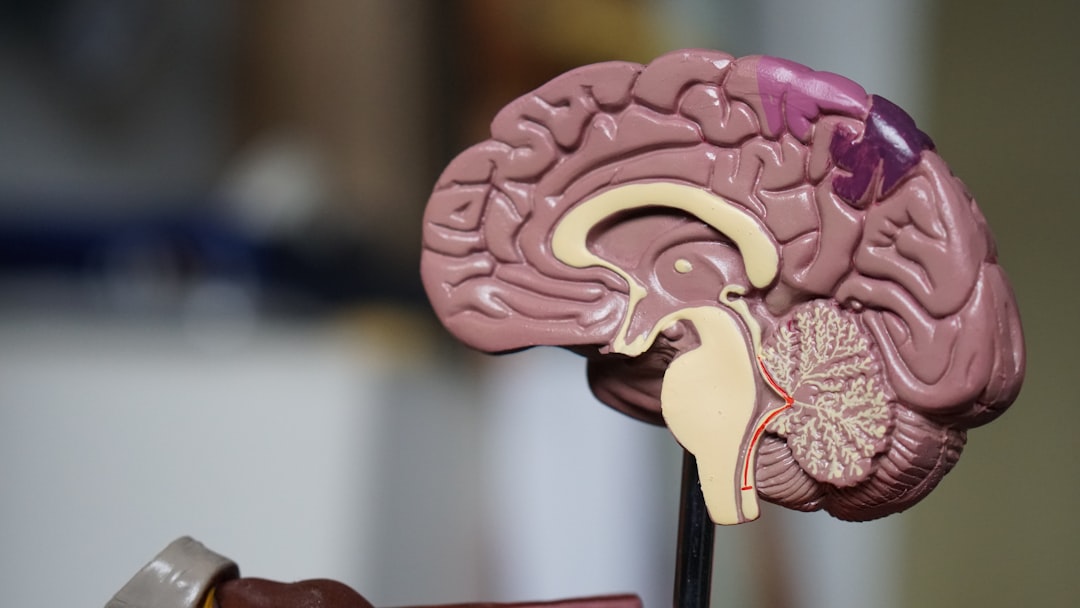
Neuroplasticity, or brain plasticity, is the brain’s capacity to reorganize itself by forming new neural connections throughout life. This phenomenon allows the brain to adapt and change in response to learning, experiences, and environmental influences. The discovery of neuroplasticity has transformed our understanding of the brain, challenging the previously held notion that the brain’s structure and function remain fixed in adulthood.
Neuroplasticity occurs at various levels, from microscopic changes in individual neurons to larger-scale reorganization of brain regions. It is driven by factors such as learning new information, practicing skills, recovering from injuries, and undergoing therapy. The brain’s ability to rewire itself is fundamental to learning, adapting to new situations, and recovering from trauma.
In the context of addiction recovery, understanding neuroplasticity is crucial as it suggests that the brain can heal and change in response to treatment and rehabilitation.
The Impact of Addiction on the Brain’s Neural Pathways
The Hijacking of Normal Neural Pathways
Chronic drug or alcohol use can alter the brain’s reward system, leading to the hijacking of normal neural pathways and the development of compulsive drug-seeking behavior. This can result in the weakening of neural connections associated with self-control and decision-making, while strengthening those related to drug-seeking and drug-taking behaviors.
Changes in the Brain’s Stress Response System
Furthermore, addiction can lead to changes in the brain’s stress response system, making individuals more susceptible to cravings and relapse. These changes in neural pathways can persist long after the individual has stopped using drugs or alcohol, making it challenging for them to maintain sobriety.
Importance of Understanding Addiction’s Impact on the Brain
Understanding the impact of addiction on the brain’s neural pathways is crucial for developing effective treatment strategies that target these specific changes and promote neuroplasticity in recovery.
Harnessing Neuroplasticity in Addiction Recovery
The concept of neuroplasticity offers hope for individuals struggling with addiction, as it suggests that the brain has the capacity to heal and recover from the damaging effects of substance abuse. By harnessing neuroplasticity in addiction recovery, individuals can work towards rewiring their brains to support long-term sobriety. This involves engaging in activities and therapies that promote the formation of new, healthy neural connections while weakening the old, maladaptive ones.
Therapies such as cognitive-behavioral therapy (CBT) and mindfulness-based interventions have been shown to promote neuroplasticity by helping individuals reframe their thoughts and behaviors, leading to changes in brain structure and function. Additionally, engaging in activities that stimulate the brain, such as exercise, meditation, and creative pursuits, can support neuroplasticity and aid in addiction recovery. By understanding and harnessing neuroplasticity, individuals can take an active role in reshaping their brains and overcoming the grip of addiction.
Techniques for Rewiring the Brain in Addiction Recovery
There are several techniques that can be employed to rewire the brain in addiction recovery, leveraging the principles of neuroplasticity to promote healing and change. One such technique is neurofeedback, which involves using real-time monitoring of brain activity to provide individuals with feedback on their brainwave patterns. Through this process, individuals can learn to regulate their brain activity and shift towards healthier patterns, supporting addiction recovery.
Another technique is mindfulness meditation, which has been shown to promote neuroplasticity by increasing gray matter density in brain regions associated with self-awareness and emotional regulation. By practicing mindfulness, individuals can strengthen neural pathways related to self-control and reduce the impact of cravings and triggers. Additionally, engaging in cognitive exercises and puzzles can help stimulate the brain and promote the formation of new neural connections, supporting recovery from addiction.
The Role of Therapy and Counseling in Neuroplasticity
Therapy and counseling play a crucial role in promoting neuroplasticity in addiction recovery by providing individuals with the tools and support they need to rewire their brains and overcome addictive behaviors. Cognitive-behavioral therapy (CBT) is particularly effective in this regard, as it helps individuals identify and change maladaptive thought patterns and behaviors that contribute to addiction. By challenging negative beliefs and developing healthier coping strategies, individuals can promote neuroplasticity and support long-term recovery.
In addition to CBT, other forms of therapy such as dialectical behavior therapy (DBT) and acceptance and commitment therapy (ACT) can also promote neuroplasticity by helping individuals develop greater emotional regulation and mindfulness skills. These therapies provide individuals with the opportunity to rewire their brains by learning new ways of responding to stressors and triggers, ultimately supporting their journey towards sobriety. Counseling also plays a crucial role in addiction recovery by providing individuals with a safe space to explore their thoughts and emotions, fostering self-awareness and promoting neuroplasticity.
Lifestyle Changes to Support Neuroplasticity in Addiction Recovery
In addition to therapy and specific techniques, making lifestyle changes can also support neuroplasticity in addiction recovery. Engaging in regular physical exercise has been shown to promote neuroplasticity by increasing levels of brain-derived neurotrophic factor (BDNF), a protein that supports the growth and survival of neurons. By incorporating exercise into their daily routine, individuals can support the formation of new neural connections and enhance their overall brain health.
Furthermore, maintaining a healthy diet rich in nutrients such as omega-3 fatty acids, antioxidants, and vitamins can support neuroplasticity by providing the brain with essential building blocks for neural growth and repair. Adequate sleep is also crucial for promoting neuroplasticity, as it allows the brain to consolidate new information and experiences, supporting the formation of new neural connections. By making these lifestyle changes, individuals can create an environment that supports neuroplasticity and aids in their recovery from addiction.
Maintaining Neuroplasticity for Long-Term Sobriety
Maintaining neuroplasticity is essential for long-term sobriety, as it allows individuals to continue rewiring their brains and strengthening healthy neural connections that support recovery. Continuing with therapies such as CBT or mindfulness-based interventions can help individuals maintain neuroplasticity by providing ongoing support for changing maladaptive thought patterns and behaviors. Additionally, engaging in activities that stimulate the brain, such as learning a new skill or hobby, can support ongoing neuroplasticity by promoting the formation of new neural connections.
Building a strong support network is also crucial for maintaining neuroplasticity in addiction recovery. Surrounding oneself with positive influences and seeking support from peers or support groups can provide individuals with the encouragement and motivation they need to continue rewiring their brains for long-term sobriety. Finally, practicing self-care and stress-reduction techniques such as meditation or yoga can help individuals manage cravings and triggers while supporting ongoing neuroplasticity.
By maintaining a focus on promoting neuroplasticity, individuals can continue to support their recovery journey and build a fulfilling life free from addiction.