Dilaudid, the brand name for hydromorphone, is a potent opioid analgesic that is often prescribed for the management of severe pain. While it can be an effective medication for those in need, its high potential for addiction poses significant risks. The drug works by binding to opioid receptors in the brain, leading to feelings of euphoria and pain relief.
Unfortunately, this euphoric effect can lead to misuse and dependency, as individuals may seek to replicate the pleasurable sensations associated with its use. The transition from legitimate medical use to addiction can occur rapidly, often leaving patients and their families grappling with the consequences. The statistics surrounding Dilaudid addiction are alarming.
According to the National Institute on Drug Abuse, opioid overdoses have reached epidemic proportions in recent years, with thousands of lives lost annually. Dilaudid, while less commonly prescribed than other opioids like oxycodone or morphine, still contributes to this crisis. The stigma surrounding addiction can further complicate the situation, as individuals may feel ashamed or reluctant to seek help.
Understanding the nature of Dilaudid addiction is crucial for both patients and healthcare providers, as it paves the way for effective treatment and recovery strategies.
Understanding the Impact of Dilaudid Addiction on Patients
Health Consequences of Chronic Use
Chronic use of Dilaudid can lead to a range of health issues, including respiratory depression, gastrointestinal problems, and increased tolerance. This can lead to a vicious cycle of increasing doses to achieve the same effect, which can ultimately result in overdose, particularly when individuals try to quit or reduce their intake without medical supervision.
Severe Withdrawal Symptoms of Dilaudid Addiction
Withdrawal symptoms from Dilaudid can be severe and include anxiety, nausea, muscle pain, and insomnia, making it incredibly challenging for individuals to break free from addiction. The psychological effects of addiction can be equally devastating, leading to profound changes in mood and behavior, often resulting in isolation from friends and family.
The Devastating Impact on Daily Life
The compulsive nature of addiction can drive individuals to prioritize drug use over responsibilities and relationships, resulting in job loss, financial instability, and fractured personal connections. Furthermore, the emotional toll of addiction can lead to co-occurring mental health disorders such as depression and anxiety, creating a complex web of challenges that complicate recovery efforts.
The Journey to Recovery: Personal Stories from Dilaudid Addiction Survivors
Personal stories from survivors of Dilaudid addiction provide invaluable insights into the struggles and triumphs associated with recovery. One such story is that of Sarah, a former nurse who was prescribed Dilaudid following a surgical procedure. Initially using the medication as directed, she soon found herself increasing her dosage to combat her growing tolerance.
Sarah’s descent into addiction was marked by secrecy and shame; she began stealing medication from her workplace and lying to her loved ones about her usage. It wasn’t until she experienced a near-fatal overdose that she recognized the severity of her situation. With the support of a dedicated treatment team and a strong network of family and friends, Sarah embarked on her recovery journey, ultimately finding strength in vulnerability and honesty.
Another powerful narrative comes from Mark, a construction worker who turned to Dilaudid after an injury left him in chronic pain. As his dependency grew, so did his feelings of hopelessness and despair. Mark’s story highlights the importance of community support in recovery; he credits a local support group with providing him the tools he needed to confront his addiction head-on.
Through sharing his experiences with others who understood his struggles, Mark found a sense of belonging that had eluded him during his active addiction. These personal accounts underscore the reality that recovery is not a linear process but rather a journey filled with setbacks and victories that require resilience and determination.
The Best Dilaudid Addiction Podcast for Patients: A Comprehensive Review
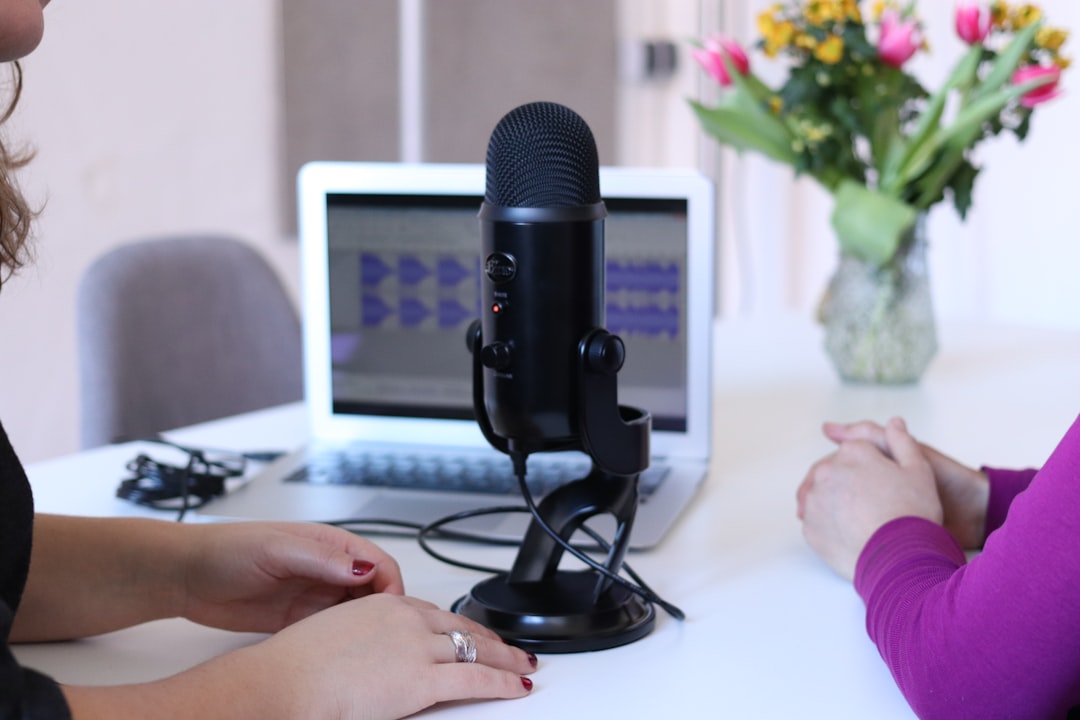
Podcasts have emerged as a powerful medium for sharing information and fostering community among those affected by addiction. One standout podcast dedicated to Dilaudid addiction is “Opioid Recovery Podcast,” hosted by Dr. Lisa Johnson, a physician specializing in addiction medicine.
This podcast offers a wealth of information tailored specifically for individuals grappling with opioid dependency. Each episode features interviews with experts in the field, including addiction counselors, medical professionals, and individuals in recovery who share their insights and experiences. Listeners are treated to a variety of topics ranging from the science behind opioid addiction to practical strategies for managing cravings and navigating the recovery process.
Dr. Johnson’s empathetic approach creates a safe space for listeners to explore their feelings and challenges without judgment. The podcast also includes episodes focused on family dynamics, addressing how loved ones can support someone struggling with addiction while also taking care of their own mental health needs.
This comprehensive approach makes “Opioid Recovery Podcast” an invaluable resource for anyone seeking guidance on their journey toward recovery.
How the Podcast Provides Support and Guidance for Patients in Recovery
The “Opioid Recovery Podcast” serves as more than just an informational resource; it acts as a lifeline for those in recovery from Dilaudid addiction. Each episode is designed to empower listeners by providing them with practical tools and coping strategies that they can implement in their daily lives. For instance, one episode focuses on mindfulness techniques that can help individuals manage cravings when they arise.
By incorporating practices such as deep breathing exercises or guided meditation into their routines, listeners can develop healthier coping mechanisms that reduce reliance on substances. Moreover, the podcast fosters a sense of community among its audience. Listeners often share their own stories through social media platforms associated with the podcast, creating an interactive environment where individuals can connect with others who understand their struggles.
This sense of belonging is crucial for those in recovery; it combats feelings of isolation and reinforces the idea that they are not alone in their journey. By providing both expert advice and a supportive community, “Opioid Recovery Podcast” plays a vital role in helping patients navigate the complexities of recovery from Dilaudid addiction.
Read more: Is Dilaudid Addictive? Is Dilaudid Stronger Than Morphine?
Expert Insights and Advice for Overcoming Dilaudid Addiction
Experts in addiction medicine emphasize several key strategies for overcoming Dilaudid addiction that are frequently discussed in podcasts like “Opioid Recovery Podcast.” One critical piece of advice is the importance of seeking professional help when attempting to quit or reduce opioid use. Medical professionals can provide tailored treatment plans that may include medication-assisted treatment (MAT), which combines behavioral therapy with medications like buprenorphine or methadone to ease withdrawal symptoms and cravings. Additionally, experts stress the significance of addressing underlying mental health issues that may contribute to substance use disorders.
Many individuals turn to opioids as a means of self-medication for conditions such as anxiety or depression. By integrating mental health treatment into recovery plans—whether through therapy or support groups—individuals can develop healthier coping mechanisms that reduce the likelihood of relapse. Furthermore, ongoing education about the nature of addiction helps demystify the experience for patients and their families, fostering understanding and compassion throughout the recovery process.
The Importance of Sharing Recovery Stories and Building a Supportive Community
Sharing recovery stories plays a pivotal role in destigmatizing addiction and fostering hope among those still struggling with substance use disorders. When individuals openly discuss their experiences with Dilaudid addiction—whether through podcasts, support groups, or social media—they create an environment where vulnerability is met with empathy rather than judgment. This openness encourages others to seek help without fear of shame or ostracism.
Building a supportive community is equally essential in this context. Recovery is often described as a collective journey rather than an individual endeavor; having a network of peers who understand the challenges associated with addiction can significantly enhance one’s chances of long-term success. Support groups such as Narcotics Anonymous (NA) provide safe spaces for individuals to share their experiences while receiving encouragement from others who have faced similar struggles.
These communities not only offer emotional support but also practical advice on navigating the complexities of recovery.
The Power of Hope and Healing in Dilaudid Addiction Recovery
The journey through Dilaudid addiction is fraught with challenges but also filled with opportunities for growth and healing. As individuals confront their struggles head-on—whether through personal stories shared in podcasts or supportive community networks—they discover resilience they may not have known they possessed. The power of hope becomes evident as survivors recount their experiences; they illustrate that recovery is possible even in the face of seemingly insurmountable odds.
Ultimately, fostering an environment where open dialogue about addiction is encouraged can lead to transformative change within communities affected by substance use disorders. By prioritizing education, support, and shared experiences, we can create pathways toward healing that empower individuals on their journey to recovery from Dilaudid addiction. At The Rehab, we are committed to providing the necessary resources and support for your recovery journey. Contact us today to begin the path to a healthier, drug-free life.