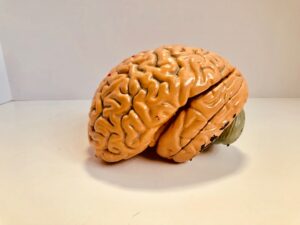
Psychedelic-assisted therapies have emerged as a promising avenue in mental health treatment. These therapies combine the use of psychedelic substances, such as psilocybin, MDMA, or LSD, with psychotherapy to address various mental health conditions, including depression, anxiety, PTSD, and addiction. While the therapeutic use of psychedelics is not new, with indigenous cultures having utilized these substances for centuries in spiritual and healing practices, Western medicine has only recently begun to explore their potential benefits.
The renewed interest in psychedelic-assisted therapies is supported by a growing body of scientific research. Studies have demonstrated that psychedelics can induce mystical experiences, enhance neuroplasticity, and reduce activity in the brain’s default mode network, which is associated with self-referential thinking and rumination. These effects may contribute to significant psychological and emotional healing.
Individuals undergoing psychedelic-assisted therapy often report experiencing shifts in perspective, increased emotional openness, and a greater sense of connection to themselves and others. These therapeutic outcomes have the potential to facilitate long-lasting changes in behavior, thought patterns, and emotional well-being. As research in this field continues to expand, it is crucial to examine both the scientific evidence supporting these treatments and the personal experiences of those who have undergone them.
The Science Behind Psychedelic-Assisted Therapies
The scientific exploration of psychedelic-assisted therapies has provided valuable insights into the mechanisms by which these substances may produce therapeutic effects. Research has shown that psychedelics can modulate serotonin receptors in the brain, leading to alterations in mood, perception, and cognition. Additionally, psychedelics have been found to increase connectivity between brain regions that are typically siloed, leading to a more integrated and cohesive sense of self.
These neurobiological changes may underlie the profound psychological and emotional experiences reported by individuals undergoing psychedelic-assisted therapy. Furthermore, studies have demonstrated that psychedelics can promote neuroplasticity, or the brain’s ability to reorganize and form new connections. This may explain why individuals undergoing psychedelic-assisted therapy often report a greater sense of flexibility in their thinking and behavior, as well as an increased capacity for emotional processing and regulation.
Additionally, psychedelics have been shown to reduce activity in the default mode network of the brain, which is associated with self-referential thinking and rumination. By quieting this network, psychedelics may allow individuals to transcend their habitual thought patterns and gain new insights into their emotions, behaviors, and relationships. The scientific evidence supporting the therapeutic potential of psychedelics is compelling, and ongoing research is likely to uncover even more about the mechanisms underlying their effects.
Personal Stories and Experiences with Psychedelic-Assisted Therapies
Personal stories and experiences with psychedelic-assisted therapies provide valuable insight into the potential impact of these treatments on mental health and well-being. Many individuals who have undergone psychedelic-assisted therapy report profound shifts in their emotional state, thought patterns, and overall outlook on life. For some, these experiences have been transformative, leading to long-lasting improvements in mood, anxiety levels, and interpersonal relationships.
Others have described feeling a greater sense of connection to themselves and others, as well as a newfound clarity and purpose in their lives. One common theme among these personal stories is the sense of transcendence and interconnectedness that many individuals experience during psychedelic-assisted therapy. Reports of mystical or spiritual experiences are not uncommon, with many describing a profound sense of unity with the universe or a deep understanding of their place in the world.
These experiences often lead to a greater sense of meaning and purpose, as well as a renewed appreciation for life and its possibilities. While not everyone may have such dramatic experiences, many individuals report feeling more open, empathetic, and connected following psychedelic-assisted therapy. These personal stories serve as a testament to the potential power of psychedelics to facilitate deep healing and transformation.
The Role of Podcasts in Sharing Information and Resources
Podcasts have played a significant role in sharing information and resources about psychedelic-assisted therapies with a wide audience. As interest in these treatments continues to grow, podcasts provide a platform for experts, researchers, therapists, and individuals with personal experiences to share their knowledge and insights. Listeners can access a wealth of information about the science behind psychedelic-assisted therapies, as well as personal stories and experiences from those who have undergone these treatments.
Additionally, podcasts often feature interviews with experts in the field, providing valuable perspectives on the potential benefits and risks of psychedelic-assisted therapies. Furthermore, podcasts serve as a valuable resource for individuals who are interested in learning more about psychedelic-assisted therapies and how they may benefit mental health. Many podcasts offer practical information about finding qualified therapists, understanding the legal landscape of psychedelic-assisted therapies, and preparing for a psychedelic experience.
Listeners can also gain insight into different modalities and approaches to psychedelic-assisted therapy, as well as resources for integrating these experiences into daily life. Overall, podcasts play a crucial role in disseminating information and resources about psychedelic-assisted therapies to a broad audience, helping to educate and empower individuals who are interested in exploring these treatments.
Interviews with Experts in the Field of Psychedelic-Assisted Therapies
Interviews with experts in the field of psychedelic-assisted therapies provide valuable perspectives on the potential benefits, risks, and future directions of these treatments. Experts often share their knowledge about the science behind psychedelic-assisted therapies, including the neurobiological mechanisms underlying their effects and the evidence supporting their therapeutic potential. Additionally, experts may discuss their own research findings and clinical experiences working with psychedelics in therapeutic settings, offering valuable insights into the practical application of these treatments.
Furthermore, interviews with experts can shed light on the legal and ethical considerations surrounding psychedelic-assisted therapies, as well as the challenges and opportunities facing this emerging field. Experts may also provide guidance on finding qualified therapists, understanding the importance of integration following a psychedelic experience, and navigating the cultural stigma associated with these treatments. Overall, interviews with experts serve as an invaluable resource for individuals who are interested in learning more about psychedelic-assisted therapies from those at the forefront of research and practice.
Exploring Different Modalities and Approaches to Psychedelic-Assisted Therapies
Exploring different modalities and approaches to psychedelic-assisted therapies allows for a more comprehensive understanding of how these treatments can be tailored to individual needs and preferences. While traditional psychotherapy is often used in conjunction with psychedelics, there are various modalities that may be employed to enhance the therapeutic process. For example, some therapists may incorporate mindfulness practices, body-centered techniques, or art therapy into psychedelic-assisted sessions to promote greater self-awareness and emotional processing.
Additionally, some individuals may choose to participate in group therapy or retreat settings to undergo psychedelic-assisted therapy within a supportive community. Furthermore, exploring different approaches to psychedelic-assisted therapy can help individuals understand how these treatments may be integrated into existing mental health care models. For example, some therapists may use psychedelics as an adjunct to traditional talk therapy for individuals with treatment-resistant depression or PTSD.
Others may explore the potential benefits of psychedelic-assisted couples or family therapy for addressing relational issues or trauma. By exploring different modalities and approaches to psychedelic-assisted therapy, individuals can gain insight into how these treatments may be personalized to meet their unique needs and goals.
Resources and Support for Those Interested in Psychedelic-Assisted Therapies
For those interested in exploring psychedelic-assisted therapies, there are a variety of resources and support networks available to help navigate this emerging field. Online communities, forums, and social media groups provide opportunities for individuals to connect with others who have undergone psychedelic-assisted therapy or are considering it. These platforms offer a space for sharing personal experiences, asking questions, and accessing information about finding qualified therapists and integration support.
Additionally, there are organizations dedicated to providing education and advocacy for psychedelic-assisted therapies, offering resources such as webinars, workshops, and informational materials. These organizations also work to promote safe and ethical practices within the field of psychedelic therapy while advocating for expanded access to these treatments. Furthermore, there are therapists and clinicians who specialize in psychedelic-assisted therapies and can provide guidance and support for individuals interested in exploring these treatments.
Overall, the availability of resources and support for those interested in psychedelic-assisted therapies reflects the growing interest in these treatments within the mental health community. As research continues to uncover the potential benefits of psychedelics for mental health treatment, it is important for individuals to have access to accurate information and supportive networks as they consider incorporating these treatments into their healing journey.