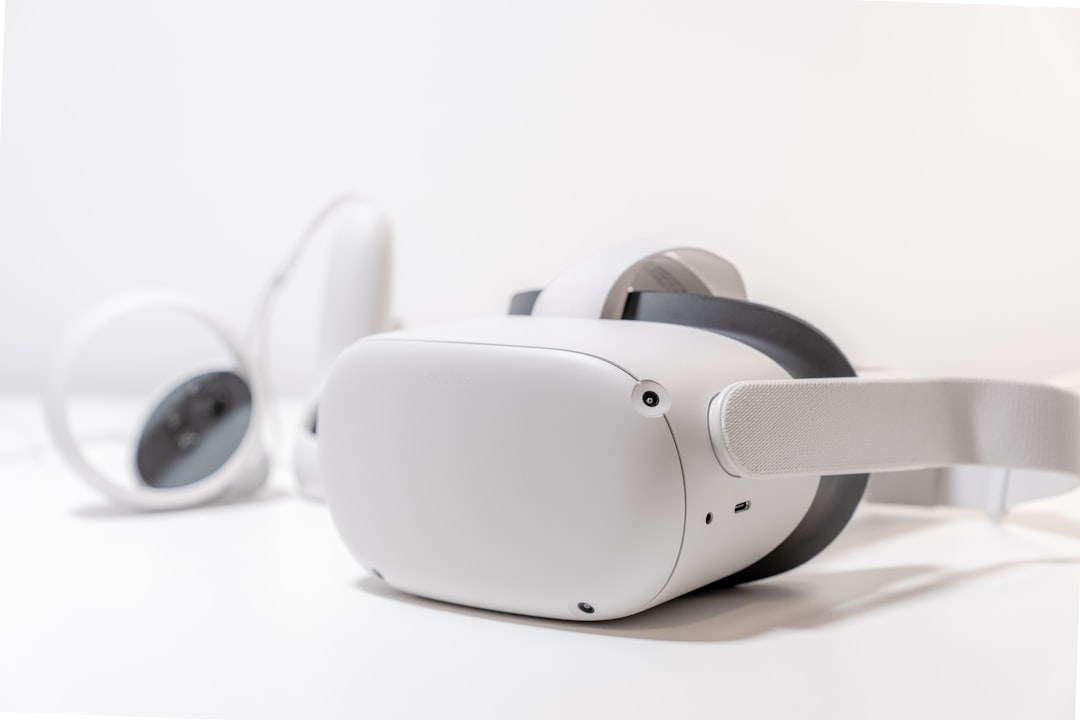
Virtual reality (VR) has emerged as a promising tool in addiction treatment, leveraging advanced technology to create immersive experiences for patients. This approach allows individuals to confront and manage addiction triggers in controlled, simulated environments. VR has shown particular efficacy in treating substance use disorders by providing a safe platform for practicing coping strategies and relapse prevention techniques.
The adoption of VR in addiction treatment is supported by a growing body of scientific research. Multiple studies have demonstrated that VR-based interventions can significantly reduce substance use and cravings while improving overall mental health outcomes. These findings have led to increased integration of VR technology in treatment centers and healthcare facilities as a complement to traditional therapeutic approaches.
The expanding accessibility of VR technology has made these innovative treatment options more widely available to individuals seeking recovery. As VR becomes more prevalent in addiction treatment programs, patients have greater opportunities to benefit from this technology-driven approach in their rehabilitation process.
How Virtual Reality is Used in Recovery Apps
Immersive Experiences for Stress Management
These apps often feature immersive experiences and interactive exercises designed to help individuals manage stress, anxiety, and cravings. For example, some VR recovery apps offer guided mindfulness meditation sessions in virtual environments that promote relaxation and emotional regulation.
Simulated Real-Life Scenarios for Coping Skills
Others may provide scenarios that simulate real-life triggers, allowing individuals to practice coping skills in a safe and controlled setting. This enables individuals to develop effective coping mechanisms and build confidence in their ability to overcome challenges.
Accessibility and Personalized Support
In addition to immersive experiences, VR recovery apps may also offer educational resources and support tools to help individuals stay motivated and engaged in their recovery journey. These apps can be particularly beneficial for individuals who may not have access to traditional therapy or support groups, as they provide a portable and private way to engage in evidence-based interventions.
The Benefits of Virtual Reality in Addiction Treatment
The use of virtual reality in addiction treatment offers a wide range of benefits for individuals seeking recovery. One of the primary advantages of VR is its ability to create realistic and immersive environments that can help individuals confront their triggers and cravings in a safe and controlled setting. This exposure therapy approach allows individuals to practice coping skills and relapse prevention techniques in a simulated environment, which can help build confidence and resilience in real-life situations.
Furthermore, VR can provide individuals with a sense of presence and agency, allowing them to actively engage in their treatment process. This active participation can lead to increased motivation and empowerment, as individuals feel more in control of their recovery journey. Additionally, the interactive nature of VR experiences can make therapy more engaging and enjoyable, leading to higher levels of adherence and retention in treatment.
Another benefit of virtual reality in addiction treatment is its potential for personalized and tailored interventions. VR experiences can be customized to address individual needs and preferences, allowing for a more targeted approach to therapy. This level of personalization can enhance the effectiveness of treatment and improve outcomes for individuals seeking recovery from addiction.
The Role of Virtual Reality in Preventing Relapse
Virtual reality plays a crucial role in preventing relapse by providing individuals with the opportunity to practice coping skills and strategies in realistic scenarios. By exposing individuals to simulated environments that mimic real-life triggers, VR can help individuals develop effective ways to manage cravings and avoid high-risk situations. This exposure therapy approach allows individuals to gradually confront and desensitize themselves to their triggers, ultimately reducing the likelihood of relapse.
In addition, VR can be used to create virtual support networks and social environments that promote positive behavior change. Individuals can engage in virtual peer support groups or social activities that reinforce healthy habits and provide a sense of community. This social aspect of VR can help individuals build strong support systems and connections that are essential for maintaining sobriety.
Furthermore, virtual reality can be used as a tool for relapse prevention by providing individuals with ongoing support and resources after completing formal treatment programs. VR-based recovery apps and interventions can serve as a valuable tool for individuals transitioning back into their daily lives, offering continued access to evidence-based interventions and support tools that promote long-term recovery.
Virtual Reality and Mindfulness in Recovery
Virtual reality has also been utilized as a tool for promoting mindfulness in addiction recovery. Mindfulness practices, such as meditation and deep breathing exercises, have been shown to be effective in reducing stress and cravings, as well as improving emotional regulation. VR technology can enhance these mindfulness practices by providing individuals with immersive environments that promote relaxation and focus.
For example, VR mindfulness experiences may transport individuals to serene natural settings or tranquil landscapes, allowing them to engage in guided meditation sessions that promote a sense of calm and well-being. The immersive nature of VR can help individuals achieve a deeper state of relaxation and concentration, enhancing the benefits of mindfulness practices. In addition, VR can be used to teach individuals mindfulness techniques in a more engaging and interactive manner.
By incorporating gamified elements or interactive exercises, VR can make mindfulness practices more accessible and enjoyable for individuals in recovery. This innovative approach to mindfulness training can help individuals develop sustainable coping skills that support their long-term sobriety.
Overcoming Stigma: Virtual Reality in Addiction Treatment
Breaking Down Barriers to Treatment
The use of cutting-edge technology can appeal to individuals who may have been hesitant to seek traditional forms of treatment due to fear of judgment or shame. VR provides a more private and confidential way for individuals to engage in therapy, reducing the fear of being stigmatized by others. The immersive nature of VR experiences allows individuals to engage in therapy from the comfort of their own space, without the need for face-to-face interactions that may be perceived as stigmatizing.
Fostering a Sense of Connection and Belonging
The use of VR in addiction treatment can help reduce feelings of isolation and shame by providing individuals with a sense of connection and understanding. By creating virtual support networks and communities, VR can foster a sense of belonging and acceptance that is essential for recovery.
A New Era in Addiction Treatment
Overall, the integration of virtual reality into addiction treatment has the potential to break down barriers and stigma associated with seeking help for substance use disorders. By providing a modern, progressive, and effective approach to therapy, VR can help individuals overcome addiction and achieve long-term recovery.
The Future of Virtual Reality in Addiction Recovery
The future of virtual reality in addiction recovery is promising, with ongoing advancements in technology and research driving its potential impact. As VR technology becomes more accessible and affordable, it is likely to become an integral part of addiction treatment programs, offering individuals innovative and effective ways to engage in therapy. Furthermore, the potential for virtual reality to be integrated with other forms of treatment, such as cognitive-behavioral therapy (CBT) or contingency management, holds promise for enhancing the overall effectiveness of addiction treatment.
By combining VR with evidence-based interventions, therapists can create comprehensive and tailored treatment plans that address the complex needs of individuals seeking recovery. Moreover, ongoing research into the effectiveness of VR-based interventions will continue to inform best practices and guidelines for integrating this technology into addiction treatment. As more data becomes available on the long-term outcomes of VR in recovery, healthcare providers will be better equipped to leverage this technology as a standard part of care.
In conclusion, virtual reality has emerged as a powerful tool in addiction treatment, offering individuals new opportunities for personalized, engaging, and effective therapy. As technology continues to evolve, the potential for VR to transform the landscape of addiction recovery is significant, providing hope for improved outcomes and long-term sobriety for individuals seeking help for substance use disorders.