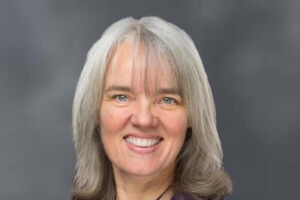
Lorraine Nilon explores the intricacies of personal growth, recovery, and the pursuit of meaning and purpose in life.
Lorraine is an acclaimed author and spiritual guide, whose insights into self-reflection, honesty, and the journey of healing are both profound and transformative.
The essence of self-reflection was a central theme in our conversation with Lorraine. She emphasized the importance of honesty in this process, highlighting how acknowledging and confronting our fears and emotions is vital for the recovery process. This exploration of the self is not just about understanding our negative beliefs and baggage but also about fostering a deep sense of curiosity about oneself. Lorraine’s approach encourages listeners to not only recognize but embrace their individual souls as part of the vast universe.
One of the most compelling aspects of the discussion was the concept of experiences beyond the physical world. Lorraine shared her unique experiences with ghosts and intuition, leading us into the realm of understanding beyond belief. This unknown exploration, or what Lorraine refers to as a ‘friendship with the unknown,’ challenges listeners to expand their belief systems and embrace a new perspective on life and existence.
The podcast also touched on the significance of reconnecting with one’s inner child. Lorraine and our host, Mark Leeds, discussed how therapeutic videos, like baby videos and pictures, can help in rediscovering the joy and innocence that many of us lose in adulthood. This aspect of healing is particularly relevant for those feeling trapped in unsatisfying jobs or those who have experienced failures, such as a failed medical clinic venture.
Our conversation naturally flowed into the topic of independent work and how breaking free from traditional jobs and advertising methods can lead to a more fulfilling life. Lorraine’s personal journey, including her venture into independent work, her books, and her website (lorrainenylon.com.au), serves as an inspiring example of finding resonance in one’s true calling.
Healing in recovery with self-reflection and finding a new direction.
Listeners of “The Rehab Podcast” are likely familiar with the challenges of overcoming shame in the recovery process. Lorraine’s approach to this issue is both empathetic and practical. She encourages embracing self-compassion and understanding as key components in the journey to healing. Her insights are not just theoretical but are backed by her extensive experience and her work, which includes her books and her online course for self-reflection.
The podcast’s discussion also highlighted the importance of building a new life that is aligned with one’s true purpose and meaning. This aspect resonates deeply with our audience, many of whom are on their journey to recovery from various challenges. Whether it’s moving past the shadows of a failed business, like a medical clinic, or overcoming personal trauma, the journey to finding peace and purpose is a central theme of “The Rehab Podcast.”
In conclusion, our episode with Lorraine Nilon on “The Rehab Podcast” was a journey through the depths of self-discovery and personal growth. It reminded us that the path to recovery, whether from addiction, a failed business, or personal traumas, involves much more than just addressing the physical aspects. It’s a holistic journey that encompasses the mind, body, and spirit. Lorraine’s insights into self-reflection, honesty, understanding beyond belief, and the pursuit of meaning and purpose in life offer invaluable guidance for anyone on this path. Her books, website, and online courses are resources that extend the wisdom shared in the podcast, providing practical tools and deeper insights for those seeking to embrace their journey to inner peace and fulfillment.
Transcript
Mark Leeds, D.O. [00:00:00]:
Lorraine Nilon, welcome to the podcast.
Lorraine Nilon [00:00:02]:
Thank you for having me on board.
Mark Leeds, D.O. [00:00:05]:
So I’m really excited to hear about all the things that you’re doing. I I’ve, you know, I’ve looked at your books. You have some really incredible books out there and and your website. And I love the spirituality that, you know, things about helping people with addiction and the focus on spirituality. And, you know, and I’ve been thinking about spirituality a lot. Just the other day, I just wanna tell you before before we get started, I was I was at the airport. I was dropping my mother-in-law off, and I got lost. I I was following the map, and it took me into these these weird back airport roads, and I had no idea where I was.
Mark Leeds, D.O. [00:00:39]:
And then finally, I I was going up this bridge, and the sun is, like, shining right through cloud’s right on me, and it and I’m going up, and and it’s like something out of a dream. And it was the most beautiful vision of the this driving up this bridge and seeing this light, and I oh, and I’m driving her car, this, like, nice Mercedes, which I don’t normally drive. And I’m thinking like, wow. Is this, like, the best moment in my life? Like, I think I’ve just reached the peak of my life. This is like really great, like the spiritual little driving thing. And then then also that thought like, wow, this is it. It doesn’t get any better than this. It’s like, is this what everything, like, life is about? And I don’t know.
Mark Leeds, D.O. [00:01:12]:
Like, what what what is life about? Like, what what what are we here for? What’s you know, talk. Let me know.
Lorraine Nilon [00:01:19]:
That’s a big question. To to be honest with you, I look at life as a a a school, like a university. You know, we’re We’re in here. We’re meant to learn lessons, and we’re meant meant to have experiences that are gonna flag up the stuff in ourselves That’s not aligned with the truth of who we are. And I also work on the policy that everyone is unique And got their own style and their own journey, to use the cliche, but it’s a cliche for a reason. Your own journey to find and understand yourself. And that’s what spirituality is to me, is it’s about Accepting that you’re part of the bigger picture, but understanding your story and keep that development and self growth Moving, not to become stagnant. And when I look at addiction, you know, I do I deal a lot with sort of addiction to Victimhood.
Lorraine Nilon [00:02:18]:
So when I first started working so I class myself as a soul intuitive. I’m not a clairvoyant. I’m not gonna tell you your future, but I can read energy and I read emotional energy really well. So when I started working with people through different Sort of modalities. I started having childhood abuse victim after childhood abuse victim, which also had a lot of Addiction problems as well, but they were also addicted to their own victimhood. So I started documenting, and that’s We’re breaking free from the chains of silence book come from. It took me 12 years to document all these different themes that people were struggling with. And If you’ve got a background in trauma, then what you would be looking for is something that dulls down or numbs down or shuts down the The thought process.
Lorraine Nilon [00:03:12]:
So and that’s where, you know, other addictions come into play. And so a lot of the time, What you know, because I come from a spiritual sort of very grounded spiritual. It’s very feet on the ground, understand yourself I approach to it is that once I could get them to understand that they could take lessons from where they’ve been and what they’ve experienced And use that for personal growth. All of a sudden you had people that were excited about instead of shameful, Excited about grabbing the opportunity to get the lessons out of where they’ve been and I always call it reconnaissance. Okay, we can’t change history, We’ll class it as reconnaissance. Now what can we, take as an opportunity to learn from that? And the stronger that we understand ourselves, the greater our foundation is, which then becomes like a protective mechanism to all the The the negative emotions that we feel and negative thoughts. So, yeah, that’s just a little simple answer. Yeah.
Mark Leeds, D.O. [00:04:18]:
Yeah. And now the thing with addiction is it it’s it’s a difficult thing to, especially in the beginning when a person is first starting to recover. I mean, there’s also, even before that, there’s that first stage where a person doesn’t even really want help. And and that’s very frustrating for the for the family. You know? I don’t know if you’ve ever had those calls from somebody, a family member, and they’re like, I need you to help this person. They don’t want help. You know, they they wanna keep using drugs or drinking, but, but we need you to figure out some way to get through to them because we can’t get through to them. And and I don’t think anyone has really figured that one out.
Mark Leeds, D.O. [00:04:53]:
You know? That until someone’s not ready, they’re just not ready.
Lorraine Nilon [00:04:57]:
Yeah. True. And and, see, to be honest with Yeah. I don’t deal very I’ve had rare occasions where I’m dealing with that stage. I’m my clientele have always been, People that have had sobriety for a long time and they’re looking to move forward in their, you know, their spiritual Understanding of themselves or they’re looking to tidy up those deep seated emotions that they’re sort of white knuckling their way through. Now we’ve got narcissistic abuse relationships and and childhood abuse. That’s sort of the base, but it’s more about for me, it’s like Looking at life as an opportunity, and and we’re forever unfolding our understanding. And One of the big things that I see that most people struggle with, and it it’s shame.
Lorraine Nilon [00:05:48]:
It’s like, you know, we’ve got these these histories, And then we feel such shame about them that, you know, they become this backpack we carry with us all the way through. So it’s really sort of getting people to Acknowledge the shame and then confront it, but in a healthy way, not in a judgmental way, not in a, a self attacking way, But to really sort of go, okay. You know? And I use the equation of, you know, we’re all walking. So somewhere along the line, we learnt to roll, then we learnt to crawl, And then we learned to walk on, you know, leaning against things and then all of a sudden we’re walking and then then we decided to have a go at running and skipping. And any recovery journey, regardless of what it’s recovering from, is like that. You gotta get to that stage where you’re prepared to Be curious enough about yourself to actually start rolling and getting those knees underneath you and start building that foundation Of self understanding. Not what people have told you, not what people what not what you think people think of you, But what do you know about yourself? And anchor into the those truths, and then start using that as a, curiosity, you know, dive board to to really start exploring who you actually are without your emotional baggage, but you gotta Deal with the emotional baggage to to get to that point of understanding.
Mark Leeds, D.O. [00:07:15]:
Yeah. Yeah. That that can’t be easy.
Lorraine Nilon [00:07:19]:
That’s Well well, a lot of the time I spend teaching people how to be self reflective, you know, and how to not ruminate, No. Like, not grab grab a problem and then just keep, you know, jumping on the merry-go-round with it and using it for self abuse and self judgment, but actually to To pull things apart like a jigsaw puzzle and get the pieces that resonate with you and make sense with you and work out what’s missing, And then just, you know, to to teach them how to have intent and purpose in the way that they are self reflective. And and that’s an interesting process because everyone comes with their own unique, layer of of or filter might be a better word for it. Filter of what they’re running things through. So you’ve got to understand your own filter to then get to a point where you can have self reflection with clarity. Yeah. And there’s no recovery journey without self reflection or introspection or contemplation, so it just doesn’t work without it.
Mark Leeds, D.O. [00:08:20]:
You know, when you mentioned trauma, you know, people you know, a lot of people have suffered, know, pretty severe traumas, but then you also have a lot of people with addictions that, you know, when you bring up trauma, they might say, well, I was never raped or abused. Nobody beat me. You know, I had an uneventful, pretty good childhood. But, you know, the person may still have gone through some kind of trauma, maybe emotional trauma. And and a person might even one day once that, you know, they hear a conversation about this is like, wait. Maybe that that’s maybe my life was like that. You know, like, where they figure out that their their own family was, like, for whatever reason, was masterminding this sabotage against them. You know? Like, this narcissistic thing where, you know, they kind of felt like, you know, why is it that everybody’s always celebrating my brother and sister.
Mark Leeds, D.O. [00:09:10]:
Like, they’re all doing so great, and I can never do anything good. And I try so hard. And and, you know, and that and that goes on throughout life. That’s not just when you’re a little but you’re a grown up and trying to impress your parents and trying to do things well. And then, you know, I mean, is that damaging trauma that can lead to addiction and cause, like, your problems, those kind of family dynamics.
Lorraine Nilon [00:09:29]:
Oh, absolutely. So so most of the time when I’m explaining trauma to people, It’s whatever made you doubt your own worth or whatever made you feel unsafe. And if you’ve got, you know, like, bullying in your background, You know, it was something that that is consistently name calling and all those kind of things, or you’re always being treated in, like, The competition, you know, and you’re you’re the the black sheep of the family and all those kind of things. They have what I call chip away trauma. When we have a big event like childhood abuse and you can identify it, you know, okay this is what traumatised me, Or it might be a natural disaster, you know. Well, I lived through an earthquake and and no one spoke to me or my father died and and no one told me what was going on. All these kind of things build a place where you start doubting your own worth and feeling insecure. So There’s the chip away sort of, trauma, which you get a lot with narcissistic parents and relationships because it’s Chipping away at your own sense of self worth, and then you have the big events where you feel completely stunned.
Lorraine Nilon [00:10:41]:
And normally, What you’ll find is that people feel traumatized when they feel unsupported. So you can I can have a a client And they’re dealing with something real time, not in not not historic, and then say it’s something at work, and then the boss comes along and and supports them, Then all of a sudden, that’s not a problem? So a lot of our trauma is when we feel unsupported and and we’re losing that sense of self. And that leaves us susceptible to peer pressure, which a lot of addictions can start that way. You know? And no no one tries a drug for the 1st time to say I’m gonna wipe out my life. You know what I mean? It’s like, oh, I’m gonna give this a go and, you know, it’s gonna be fun, and And we we buy into the story, but it it takes another life of its own when we’ve got no foundation to pull back to. And then some of the drugs that we’ve seen in recent times have been quite savage that it hook you very quickly, but it can be on shopping, it be on gambling. It can be on all sorts of things where you’re trying to fit into a herd and then all of a sudden you’re really isolated anyway. So I always explain to people that our addictions tell us they sell us a story like a glossy brochure.
Lorraine Nilon [00:11:58]:
And then when we buy into it, it dumps us, And we’re left seeing the back the fine print, what it didn’t say on the glossy brochure. And that’s that’s what happens to people is they, you know, They walk into the glossy brochure, and then all of a sudden, they’re in the fine print where it’s all turned into crap. And but no one starts off with that Originally or very rarely is someone starting off with that original intention.
Mark Leeds, D.O. [00:12:24]:
Yep. Now you mentioned in intuitive. You said the word intuitive,
Lorraine Nilon [00:12:29]:
and I
Mark Leeds, D.O. [00:12:30]:
had once interviewed someone who is a medical intuitive. And they did something where they would look at a a picture of a person, and they could would get insight into what diagnosis they might have and and what was going on with them and and and could sometimes pick up on things that doctors would miss. And, I I actually wondered, like, you know, is it really, like, a supernatural power, or is it just, like, she’s really good at looking at a picture and seeing things that, you know, that doctors would miss because doctors aren’t really as as sharp with their diagnostic skills as they used to be. Know? But
Lorraine Nilon [00:13:04]:
That’s universal. Yeah.
Mark Leeds, D.O. [00:13:06]:
Yeah. So, but what do you do you do you do anything similar to that as far as, like, would consider yourself a medical intuitive, or is it related?
Lorraine Nilon [00:13:17]:
So so when I’m looking at intuitive is that I can read energy. So when you when we’re talking, you’re actually reading energy too. You know, everybody does it. So it’s like We hear the words, but we also feel the the energy behind it. You know, I can say the same thing but in different tones, and you’re gonna feel something Right. So when I’m working with clientele, basically, I go in and and as they’re talking or sometimes I ask them, I’ll do what I call a cold read, Where I just read their energy, and what I get is their emotional patterns. And then we that’s a starting point, and then we work from there To understand why these emotional patterns are working the way they are, and it’ll track back. So intuitively, sometimes I see a picture, And it might not make any sense to me, but it you know, I’ll say to you, you know, like, I already know because you said about the bridge, but, you know, bridge and sunlight.
Lorraine Nilon [00:14:11]:
And you’ll say, oh, actually, I’ve got this story that that was a a profound moment for me. And then we go through in there and see what We can learn. So but we we all do it. You know, like, when we say, you know, you could walk into the room and cut the air with a knife, You’re intuitively picking up on the energy. Or, you know, someone says, hello. I’m, you know, I’m really happy to see you. And then, you know, it could be a facial expression as well. It doesn’t match what we’re saying.
Lorraine Nilon [00:14:40]:
Like, the it’s like these people feel like they’re trying to get away from me or they’re just being polite and wanna move on. So it’s reading all those subtlety signs That we’ve got. And that’s what Intuitive is. And then, you know, sometimes I just hear different things and occasionally freak people out because I’ll We if we’re sitting in a very safe space like a client sort of relationship, it’s like, did you just think and I’ll say whatever, and they’ll be like, yes. But for me, I’m relying on you to be honest. And sometimes I say no, and then they’ll say, but you know what? That is a thought that annoys me all the time, And then I can tell them what it stems from. And I’m like, well, that’s coming from, you know, I’ll track it down. So it’s quite different, but it’s a way of Using our emotions as tools to go in and see what’s left unresolved within ourselves because that’s to me is the spiritual purpose.
Lorraine Nilon [00:15:37]:
It’s not it’s not just holding ourselves in a a positive energy and pretending everything’s okay. It’s actually I Knowing when you’re ready to walk through those tunnels that have got emotions trapped in them that, you know, hangovers from previous That we need to deal with so that we can come to a better understanding of ourself and start building again that foundation of who we are. So because when we understand that, then, you know, different events can happen around us, but we’re not losing ourselves to the events. Whereas if we don’t have a strong foundation within ourselves, you know, people say things and do things, you know, especially narcissistic stuff where you’re left wondering why did they do that? Why did they say that? Why are they constantly putting me down and and all the rest of it? Because you start to believe it’s something wrong with you. So when you the stronger your self foundation is, the less Chance someone has the ability to do that to you. So you become more of a sovereign being where you work with what resonates with you And what what you know, you start trusting your own awareness, and then you start accepting the reality of And a lot of the time when we’re looking at people that have suffered from addictions, they’re disconnected From themselves, and they’re disconnected from even the love they feel for other people around them. And all they’ve connected to is actually that that part of themselves that makes them feel unworthy Or, you know, not good enough, all that. And then then they go into this couldn’t be bothered.
Lorraine Nilon [00:17:23]:
I’m not you know, what’s the point? And all that sort of stuff. So there’s, like, this I Resignation to that part of themselves, and then the addiction takes them on a, a bit of a path. So which, you know, sometimes I go, well, if that’s what your soul needed to do and it’s reconnaissance, you’ve learned all the things that you don’t like, How about learning some of the things that you do like about yourself and see which ones you prefer, which one which ones make more sense to you? Yeah. Yeah.
Mark Leeds, D.O. [00:17:53]:
Yeah. That and that that must be an incredible thing for, you know, for a client who gets to work with you to, you know, to to get that kind of a reading of of you being able to to pick up on what’s going on because I I I’ve had that experience of, you know, talking to someone who who has has that kind of ability, and and and they would say things to me. I’m like, how did you how did you know that? Like, I I never even said anything about that. You you just kind of, like, you know, figured out stuff that I wasn’t even thinking about. I wasn’t even really fully aware of, you know, to say, like, this situation or person scares you, and and that’s what’s underlying the issue that you’re going through and, you know? Yeah. Yeah. I mean, yeah, please don’t don’t read me now. You’ll probably, like, pick up on some terrible things.
Mark Leeds, D.O. [00:18:36]:
But but no. I mean, that’s really a great thing to, like you know, as opposed to going to, like, a your typical psychologist or counselor or therapist, you know, and they are kind of in their own world of, like, they have their own issues and maybe not even really listening fully. But, yeah, it it’s a great feeling to to to be able to meet with someone who’s who’s seeing you and and hearing you and putting it together and getting insight into things that you might not even be aware are important.
Lorraine Nilon [00:19:03]:
And and that’s the whole point of it is, you know, like, some of some of the people that I’ve worked with, especially, like, like I said, you know, most The the recovering addicts that I’ve worked with had a long term sobriety. And and 1 1 lady recently said she said The difference between you and all the other therapies that she she’d used is that you’re filling in the gaps, Oh, you’re telling me what to look for so I can fill in the gaps. So and then there was some things that she found within her system That worked for a certain amount of time to get her through, you know, the the horror stage and and, you know, like, rebuilding her life. Was getting her through that. But now that she’d sort of done that, it was sort of holding her back as well. So we, you know, pulled apart because we We operate from belief systems. So sometimes the beliefs work brilliantly, and then they don’t, and that’s okay. So it’s working out when to evolve that belief system, take it to another place.
Lorraine Nilon [00:20:05]:
We repress a lot of things, So it’s like and we and then they come in our thoughts, you know, so we’ve got this rumination, and I would say you’re back on the merry-go-round. So Sometimes you’ve got to pull apart that so these these thoughts aren’t swirling around your head. And sometimes it’s just these emotions and we have these Trigger spots, and we don’t understand why when someone says this or when you see that, why I get so triggered. So if you can put if you can get an understanding of that, all of a sudden, it’s not confusing. It makes sense to you. And then you can decide. I would say I was the only place I’m taking you to is your free free will, your freedom of choice. I’m presenting you with information.
Lorraine Nilon [00:20:53]:
I might throw some options, which is based on, you know I’ve been doing it for 30 years based on experience, but I’ll tell you the difference between when it’s a read from you And when it’s my opinion or my what, you know, what what it’s making me think of. But all I’m taking you to is your freedom of choice. You’ve got to decide what you do with that Information that you get. But when it really resonates with you, it takes you somewhere. You know, like, you would have known on your journey that when you hear something that really resonates with you, all of a sudden, it’s like a door opener That it makes you look at something differently or it makes you realize something. A lot of the time I tell people what they already knew, But when they’re hearing someone else say it, it gives it more value, gives it some worth. So That’s that’s why I I really love having sessions with people, and I, you know, I I’ve wrote 3 books, and there’s 3 more in the wings that, I just you know, I’m trying to get one’s close to being published. I just a bit time poor.
Lorraine Nilon [00:21:58]:
I haven’t got it finished, but, the the editing side of it. But It’s it there’s a whole wealth of insight that we have within ourselves, and a lot of the time, all you need is, like, a little Spark that’s gonna help you tap into your own information. And that could be just, you know, 2 friends having a conversation, and The friend says something, you think, I never thought of it that way, and then all of a sudden, all these pieces like the jigsaw falls into place and you go, I so get that. And that’s what you’re looking for is so that you can really understand where you’ve been, Why you were there and where you wanna head to. So and that really is why I use recover reconnect. You know, you’re not gonna reconnect the truth of yourself, you’ve got to recover whatever wounds it is, whatever shames you’re carrying, you’ve got to recover from that. Whatever trauma is trapped within your system, you’ve got to recover from it, and then you can rejuvenate your curiosity and your zest for life And that sense of self, the importance. You know, you’re born, so you therefore are significant, and you are unique.
Lorraine Nilon [00:23:11]:
There’s no one There’s no one exactly the same as me, and there’s no one exactly the same as you, and that should be celebrated.
Mark Leeds, D.O. [00:23:19]:
So Yeah. So it was, recover, rejuvenate. What was the first one?
Lorraine Nilon [00:23:24]:
So reconnect
Mark Leeds, D.O. [00:23:25]:
Reconnect.
Lorraine Nilon [00:23:26]:
Recover, and rejuvenate. So you’ve got to reconnect to the truth to yourself. You’ve got to reconnect to your own honesty and the ability to be honest, and that’s why you need Self reflective skills is that, you know, so that you can be honest with yourself. And we’ve gotta we gotta deal with our fear, Our fear of really acknowledging our own emotions, because most times we feel our emotions and the first thing we wanna do is resist, deny, and avoid it. We wanna run. We wanna hide. We wanna suppress it. And then the trouble is is that we suppress our emotions, And then what we wanna do is reset to where we think we should be, but you’ve got all this baggage with you Well, you’ve got all these negative belief systems running through your through your head.
Lorraine Nilon [00:24:13]:
So when you reconnect to the truth of yourself, all of a sudden, You’ve got a platform to start exploring from. And then if you know you’re in a recovery process, You know? And sometimes it’s just recovering from your own negative self judgment, which does a lot of damage, and then rejuvenate That curiosity about yourself, and then that’s gonna give you this zest for life, and all of a sudden you’re gonna change your perception And you look at things differently. So even in my books, the whole point is, I tell you, read the book, but What do you think? How do you feel? And there’s all these questions all the way through, but it’s so that you’re engaged with the information, not just sitting there and letting somebody else tell you what to think. It’s actually oh, yeah. She’s wrote about one of them I wrote, when did truth become the enemy? That’s in the spirituality book. You know, what’s your thoughts of that? When did truth become the enemy? Why are we so shy of really confronting the truth of ourselves? Why do we run so hard? And then so I put these prompting sort of journal prompts, contemplation points or even conversation starters that you can start You got a base somewhere to start to explore from. So which is it works really well, and I love hearing when people have, you know, done the old, oh, that just brought all this together. I’ve been thinking about this for ages, and now I really understand it Because that’s self development, understanding yourself is what how we grow.
Lorraine Nilon [00:25:46]:
And I call it soul maturity And and spiritual growth. You know? Like, you your your souls mature. You wanna your awareness of your soul needs to mature. So yeah. We’re all quite wise internally. We’re very clever souls.
Mark Leeds, D.O. [00:26:06]:
You know, and Yeah. Now what do you think about that? I mean, the the soul, the you know, people when they talk about spirituality, they might talk about the universe, you know, connecting to the universe. And, you know, if you watch some of these videos on social media, there’s some people that put together these incredible animations of showing how small we are. You know, this little tiny dot of dust in the middle floating in the middle of, like, this huge galaxy and amongst millions of galaxies in an infinite space. I mean, what, you know, what it it almost seems like, you know, we’re, like, beyond insignificant. We’re, like, really nothing. You know, they have that there’s that picture that was taken from, like, something like 4,000,000,000 miles away where the earth is like a little tiny pixel on the picture. You can’t even see it.
Lorraine Nilon [00:26:51]:
I
Mark Leeds, D.O. [00:26:51]:
mean, like, what, you know so what do you think about all all that, like, the universe and spirituality?
Lorraine Nilon [00:26:57]:
I can. One of the things I’ve wrote about is that if we look at a beach, right, it’s made up by Millions of grains of sand. But each of those grains of sand are just significant because we need the mass To make the beach. Without the mass of those sands, there’s no beach. So I look at each person as That significant spec in this bigger picture. So even though we’re a spec Or, you know, like a snowflake or a grain of sand, we’re still significant. Right? Because I think a lot of the time people struggle With understanding that they are naturally significant. That doesn’t mean you’re better than anyone else.
Lorraine Nilon [00:27:48]:
That doesn’t mean you’re Less than anyone else because there’s an equality within all our souls. What we’re seeing is just all having different experiences. You know, like, you know, wealth is just an experience, skin color, just an experience, Schooling and experience, but our souls, there’s an equality right across the board. And it doesn’t matter where you’ve been, Doesn’t matter what you’ve done. There is an equality in your soul. So that’s how I look at it. So, yes, in the, You know, the universe is so big, it is difficult to understand and I don’t think there’s a person on the planet that can say they fully understand it. But we’re all in a significant spec Yeah.
Lorraine Nilon [00:28:33]:
Within it. And
Mark Leeds, D.O. [00:28:36]:
and for people that have, you know, a fear of, you know, I guess, like, that existential crisis of, like, you know, oh my god. This is all gonna end soon. You know? I might have many years left or maybe I have no time left. And, you know, next, you know, I’m here. 1 one second, I’m gone. The next and, is it just nothingness or, you you know? Or is there something after, you know, like like, do you do you have, like, a a a sense of that? Like, is it just a belief? Or, like, is it something in your with your spiritual intuition, have you seen something beyond, like, the physical world or or, you know, what do you think about that?
Lorraine Nilon [00:29:12]:
Well well, it’s my understanding from what I’ve experienced. So, you know, like, I see ghosts. I hear things. I feel very connected to where I’m from, whatever label you wanna put on it. I don’t really get hung up on labels. So I hear and feel things from there. So for me, it’s beyond a belief. It’s a knowing.
Lorraine Nilon [00:29:36]:
Do I understand it completely? No. I don’t. Do I trust it? Yes. I do. Do I feel part of something? Absolutely. Do I understand exactly what that means? Not really. So and I can sit very comfortably in the Exploration of that. And I work with the policy that if I’m meant to know something, they’ll let me know.
Lorraine Nilon [00:29:59]:
So, You know, like, when you’ve seen things and I’ve, you know, got a 101 stories of different experiences with even clients and my own stories and all the rest of it, I can’t doubt that there’s more to this than what I’m living now and but that comes from my understanding. But we all have to find our own way to what resonates with us. I’m not a big one for latching onto a belief and then just holding it. I like to be in the exploration of going. I trust that I don’t fully understand it, but I know where I’m from Cares and supports and loves me, and I care and support and love you. I don’t always just ask it to do things for me or provide things. I class it as a Friendship relationship, you know, that you’ve got my back, and hopefully, I can keep evolving to a point that I’ve got your back as well. So And they give us a lot of grace.
Lorraine Nilon [00:30:56]:
You know? Like, they have a very great acceptance of, we’re learning to crawl. We’re learning to walk You know, spirituality. Yeah.
Mark Leeds, D.O. [00:31:06]:
Yeah. Yeah. There’s an interesting, therapy. I don’t know where I heard about this, but, I I think it might actually be useful for people. They say you can re if you reconnect with, you know, the baby version of yourself, you know, looking at old baby videos or pictures, and you can kind of fall in love with yourself as a young child or or or a baby. And, and I and I got these really I got really good high quality videos of my children even though it was, like, you know, pre iPhone and everything. But, know, had I was into getting, like, you know, had, like, a nice digital camera, like, back in 2004, like, when they started getting you know, being born. And, know, so the kids look back at, like, the and I release them little by little.
Mark Leeds, D.O. [00:31:45]:
They haven’t seen all of them. Every once in a while, they they release a new video that they haven’t seen before. And they’re just like they fall in love with themselves as babies, and it it actually seems to be something useful that a person can fall in love with themselves again. You gotta see, like, wow. I was a I was a really Pute Baby.
Lorraine Nilon [00:32:01]:
Yeah. And I think it also confirms that we’re in an evolutionary process. We start somewhere, and we finish somewhere else, And we can celebrate that. So and and celebrate the uniqueness. You know, you I don’t know how many children you’ve got, but they’re all different, aren’t they? They’re all very unique. Yeah. So and I think that’s something that we’ve we’ve used judgment too much, and it stopped us from really celebrating the uniqueness of each person, Which is important. Which is very important.
Mark Leeds, D.O. [00:32:33]:
Yeah. Yeah. And I think for parents, you know, who are worried about their kids not getting not reaching some milestone on time. You know? It’s like, just, you know, leave them alone. They’re gonna get there.
Lorraine Nilon [00:32:43]:
Yeah. Yeah. And then and We are sort of scaling a lot of that stuff, you know, like, it by this this should happen and and so some of the things that we deny about ourselves Causes us a lot of pain. You know? Like so sometimes we’ve got people that have got really caring hearts, but they’ve Train themselves or through different traumas and all the rest of it. They’ve become extremely judgmental on themselves, and they never give themselves a break. So that natural part of them, that unique part of who they are doesn’t really get to see the light of day, And they they start devaluing it. So, you know and they might associate, say, your loving heart with vulnerability and and potential threat and all those sort of things. So when when you’re looking at uniqueness, which, like I said, needs to be celebrated, it’s it’s embracing all of yourself.
Lorraine Nilon [00:33:36]:
And Finding out who you are without your emotional baggage is it’s easy to say, but it’s also harder because you you’re running through those different filters That can disrupt your self understanding.
Mark Leeds, D.O. [00:33:51]:
Yeah. And one one great thing about working with people with addictions is that they they tend to be, like, really unique, special people naturally. You know, they the people who and I I always say this, the people who are, you know, highly intelligent and, creative and and driven for success. They’re they’re the highest risk for having the most difficulty with addiction, and they have the hardest time getting out of addiction. And so, you you already if you if you commit to work, get it if you’re dedicated to working with people, who have overcome addictions, you know, you already have, like, a a really great pool of people to work with.
Lorraine Nilon [00:34:29]:
Yeah. And like I said, it’s not my expertise. I sort of, you know, on that spiritual, and, you know, I’ve mainly done with, narcissistic relationship Abuse victims and childhood abuse victims and people that are looking for that sense of purpose. But we all come we all have some form of addiction. It’s just whether or not it’s really detrimental to ourselves. You know? Like, if you have someone that loves listening to music And, you know, will not go to work because they wanna listen to the music. That’s an addiction. You know what I mean? Like, they’ll they can’t they’ll they can allow what they think Think they love or what they are enjoying to override their self responsibility and being present in the What they’re experiencing and all the rest of it.
Lorraine Nilon [00:35:15]:
So we all have some forms of addiction. It’s just when they become To something that’s extremely toxic to us that we lose ourselves completely to it. And that’s They’re they’re difficult to deal with. So, for me, it’s working with people. It’s about Looking at the emotional patterns that we have and knowing working out how you can get from judging basically yourself On everything. And really start appreciating and feeling connected to who you naturally are. So actually, I had a guy in a workshop once and he said I’m like it was an older guy, and I I I told him, I was I’m gonna pinch that. I’m gonna quote that.
Lorraine Nilon [00:36:03]:
But he he said I’m like an old oak tree, Lorraine. And he said I’m so busy trying to stop the leaves from falling and, you know, make sure the leaves Stay where they’re meant to be. That I don’t even see the guy walking near the trunk with the axe, And it’s always something that takes me out that I didn’t expect, I didn’t see because I’m so busy watching, you know, the top of the tree that I don’t don’t even give any thought to the trunk, the foundation. And I said to him, that’s like our spiritual journey. We have to We have to focus on the foundation, the roots, the the the solidness of our own self understanding for us To grow healthy. And then it’s okay if some leaves and branches fall off. It’s just making room for new growth, But the foundation needs to be strong. And what a lot of us try to do is, you know, hold on to belief systems that don’t.
Lorraine Nilon [00:37:06]:
If they don’t work, then we don’t value them. And then what that does is cause us to think we’ve got it wrong again and beat ourselves up and all the rest of it. So It’s really, like, for me, when you’re looking at spirituality and and self development, it’s really knowing that What what resonates with you and what you can start using as a foundation of understanding yourself, know thyself, And and really let yourself anchor to that. So I do on my podcast, I do this thing called flip the book where I give people a read, and then I tell them a little bit about their personality. Would you like me to do that for you? Like, Okay. So so I’m gonna use the book Breaking Free. So at the back of it is the core essences, and there the the purity of who we are At the core of our being. So can you give me a number between a 189 and 215?
Mark Leeds, D.O. [00:38:06]:
Oh, 201.
Lorraine Nilon [00:38:08]:
201. Okay. So these are just the ones I’ve written about. There’s plenty more. Okay. So you have you have 5 paragraphs to pick from.
Mark Leeds, D.O. [00:38:22]:
Okay.
Lorraine Nilon [00:38:22]:
What what comes to mind? 1, 2, 3, 4, or 5.
Mark Leeds, D.O. [00:38:27]:
3.
Lorraine Nilon [00:38:28]:
3. Okay. So independence is important to you, to feel that self independence. Independence is the ability To freely experience life as a soul, uninhibited by negative judgment or opposition to truth. Independence is not isolation. It is sharing the truth of yourself and choosing not to lose the sovereignty Over your own soul. Independence is acceptance of accountability for your own energy. He’s also taking responsibility for the resolution of the energy in your soul’s unconsciousness, so you can refer to that as your emotional baggage if you like, And the evolution of who you naturally are.
Lorraine Nilon [00:39:18]:
So would you say that sums up your journey?
Mark Leeds, D.O. [00:39:21]:
Oh, yeah. Definitely. Yeah.
Lorraine Nilon [00:39:24]:
Yeah. So we have all these essences within us that tell us information, And I’ve wrote I’ve wrote a lot about it in, Breaking Free and in the next book that’s coming out, there’s a lot. So when you’re stressed, You can use that book to come back and go, okay, remind me, who am I at the core? Independence is important. And I’m trying to get to a place where I’m uninhibited by negative judgment and that I’m valuing these experiences Living life. You know? And and for me, I would say as a soul, but you might just say living life. And I’m choosing To share the truth myself, which is what your podcast is about, and and your work with people, but I not at the expense of my own sovereignty. You know? So so you’ve already worked out that those things are important to you, and that’s part of building that foundation, that trunk of your tree.
Mark Leeds, D.O. [00:40:21]:
Yeah. Yeah. That’s Yeah. Definitely accurate. Yeah. I mean, some some of the worst times in my life were were working at different jobs, you know, that I you know, I I’ve had jobs that I hated. I you know, even the jobs but that’s what kind of actually really made me come to the conclusion that I’m really not meant to to work for anybody. I had towards the end, I had a job that I actually really liked.
Mark Leeds, D.O. [00:40:42]:
I got along really well with the, with my my boss. He he was managing a a practice for another doctor or actually for his father, and, we got along great. We had great conversations. He would do anything to make me happy. He’d buy breakfast, buy lunch. We’d sit there and talk, you know, when we have free time. And I still nothing could really make me feel satisfied with that. I thought, you know, it this is the most perfect job any I could ask for, and I still think there’s something wrong with it.
Mark Leeds, D.O. [00:41:11]:
I’m just not meant for this. You know, I’m not meant to
Lorraine Nilon [00:41:15]:
Which Which kept you looking. It kept you, you know, like, it kept you striving.
Mark Leeds, D.O. [00:41:20]:
Yeah. But at that time, I didn’t I didn’t think I was really capable of going out my own and doing my own thing. I I really just I thought, like, you know, because we had tried it before. We we had tried having our own little medical clinic. And, and in fact, the thing that went wrong there was that I was taking everybody else’s advice of how to do it. Of, people would say, like, oh, you have to take every insurance. You have to, you know, do this and do that, and and and all that advice was, like, destroying the business. And and so, you know, it it and that was, like, a a sad thing of, like, finally coming to the realization that, you know, we can’t afford to to pay the rent, and we so we can’t renew the lease, and we had to decide to to finally shut it down.
Mark Leeds, D.O. [00:42:00]:
But, you know, this time around, we did every everything differently and and and a and a much better way. And, but I think also I had at the you know, from the reading, it makes sense. I think I finally became determined that it it’s gonna work out no matter what. I’d I’d rather be, you know, out on the street and homeless and, you know, not that I was gonna really let it get to that point, but I thought I I would sooner just lose everything than than actually go back and work at a a job again.
Lorraine Nilon [00:42:28]:
So you you found you found what was important to you, and you kept moving towards it. And part of that is the independence, which is giving you A type of freedom. And as soon as you gave yourself permission to have that freedom instead of listening to everybody else, which it doesn’t mean you didn’t listen to you know, this time, you didn’t listen to other Information, but you worked worked with what resonated with you Yeah. More so than, well, they’ve told me I gotta do this, and they’ve told me they gotta do that. And that’s that’s that’s strengthening up your sense of self, and, that’s a good thing. That’s you know, if you look where you’ve been to where you are now, that’s beautiful journey.
Mark Leeds, D.O. [00:43:05]:
Yeah. And and now, you know, like, I I’ve discovered, you know, that this is like the you know? And that having a podcast is part of the business, and the best part of it is sharing information with people, teaching people, sharing different messages and, you know, bringing, like, you know, for example, your message and and and what you have to share with people in your books, bringing that to my audience. And and, you know and, yes, sometimes it brings a new patient to our medical practice, but, you know, maybe, you know, you might help 100 or thousands the people, and and it also might bring in a a little bit of business to to the, you know, the thing that pays the bills, you know, because I I don’t in any way profit from the podcast or or the blog or any of that stuff, but but it it all kinda works together, and it’s really the best you know, way better than taking out an ad in the local paper or something. You know? And and I’d rather spend hours, every week, you know, working on a podcast and writing blog articles and and that kind of thing and try to help as many people as I can and and putting information out there. You know, it’s much more rewarding than, you know, the old fashioned way of doing it. Like, I remember sitting with the the, phone book you know, back when we had the the yellow pages phone book, and the guy is saying, like, you know, pay us $1,000 a month, and we’ll get you this many phone calls. And and I’m like, yeah. But who are those people that are gonna call? Like, and, you know, and I don’t believe any of it.
Mark Leeds, D.O. [00:44:24]:
And, you know, he came back. He’s like, well, the problem is you didn’t get a big enough ad. You need a bigger ad. Big enough ad.
Lorraine Nilon [00:44:30]:
You know,
Mark Leeds, D.O. [00:44:30]:
I don’t do any of that stuff. I didn’t do any any of those paid ads or any of that stuff, but I’d much rather just spend all my free time, like, figuring out ways that I can, you know, put information out that’ll help as many people as possible, and and then something always comes back to you when you do that.
Lorraine Nilon [00:44:45]:
I think so. And and I think too when you are look, You know, you’re working with people in recovery. Is they’re looking to what resonates with them. You know, like, I you know, I don’t work for everybody. You know? Like, There’s lots of people that I’m not for them. They’re not interested. And then there’s people that they go, yeah. She resonates with me, and I’m curious.
Lorraine Nilon [00:45:07]:
So I wanna get a bit of information from her and and, you know, like I said, I have clients that will work with me for a while, and then I have clients that just come back and forwards every now and then. They just wanna, I don’t know. What can you rate on me now and see where I’m at? And then they go off and do their own thing and and all that. So so it’s really like, you know, when People are provided with some insight. And when they work out whether it resonates with them, then that’s informative information. When people feel like someone’s telling them and they’re pointing the finger and and trying to control them to believe something that, you know, is forced upon them, then automatically, they’re gonna feel like they’re being opposed because it’s not leaving them with the freedom to actually explore what resonates with them. We’re humans. We’re and we’re souls in a a physical body, and that means that we’re forever evolving if we want.
Lorraine Nilon [00:46:02]:
I I That that there’s there’s information being provided to us in lots of different ways and that information is to give us some insight. And that’s Why I believe that self reflection is so important and and the ability to, in a healthy way, really contemplate different things that are going on with us and be able to put them in a perspective where we can come to peace with them. Because a lot of the times, you know, people are they go through a journey of recovery and then they’re white knuckling themselves to a belief system. And once it starts to wobble, then it’s easy to go back to the old patterns because it’s always trying to draw you back. So it’s when you actually really resonate with something and all of a sudden, it’s it’s not just a belief system. It’s it’s in a It’s touched something internal that’s I know this is annoying. Then they’ve got a path to move forward. Like, you know, every Attic gets to a point where the you know, they go fighting and screaming and carrying on, and they don’t want to go in the recovery process.
Lorraine Nilon [00:47:10]:
And then there’s Something. There’s a a catalyst, an activating event, or a moment where they go, I actually need to put some intent in this. I need to follow this with purpose and then give this some meaning. Otherwise, I’m gonna go back into the pit, And there’s I can’t get any sense of meaning. And then when when people get to that, regardless of what they’re trying to deal with, All of a sudden, they’re the authority over their own soul. They become a caretaker.
Mark Leeds, D.O. [00:47:42]:
So, Lorraine, how can people, how can people find you if they wanna, you know, either find your books or to to meet with you if possible.
Lorraine Nilon [00:47:51]:
So the books are available on all the major Platforms, Amazon, etcetera. And, at lorraine nylon.com.au is my website. So, and there’s booking slips there, and and there’s also the podcast too. They wanna hear more about, like, recovery, trauma recovery, narcissistic, Relationship recovery and with a spiritual edge on it, you know, about our soul and and the purpose of life and things like that. That’s also Which is Lorraine Lorraine Nylon, spiritual explorer. So I thank you for having me on your show. I’ve I’ve enjoyed the conversation with you.
Mark Leeds, D.O. [00:48:30]:
Thank you. Yeah. I I definitely recommend that that people reach out to you because it’s, definitely something special. I mean, I definitely feel like, you know, that spiritual connection talking to you. And I I can imagine that that you can really help people, you know, to to read them and to to give them some feedback and insight and help them get get through the process.
Lorraine Nilon [00:48:51]:
Yeah. Yeah. It’s it so some people some of my clients call me the mapmaker or the, compass, But, you know, we the person themselves is the one that has to do all the work. You’re just, you know, pointing them in a direction and giving them some insight, but It’s, you know, it’s it’s nice to be nurtured through self discovery. So and there’s an online course too. If you wanna learn how to be more self reflective, there’s an online course. So and there’s a special on that at the moment too, so not a bad time to get it. That’ll be running till December.
Mark Leeds, D.O. [00:49:25]:
Oh, that’s great. That’s great. So you’re the map. Do you do you guys do you guys get Dora the Explorer there?
Lorraine Nilon [00:49:30]:
Yeah. We do. Yeah. Could
Mark Leeds, D.O. [00:49:32]:
he ask when you don’t know which way to go? Yeah. So, yeah, that’s great. Yes. So, again, the the website, it was lorraine nylon.com.e dot a u.
Lorraine Nilon [00:49:44]:
AU. Yeah. So Australian.
Mark Leeds, D.O. [00:49:47]:
Yeah. Oh, that’s Yeah. That’s great. So yeah. So thank you again. Thank you, Lorraine, for joining me.
Lorraine Nilon [00:49:52]:
Thanks for having me,