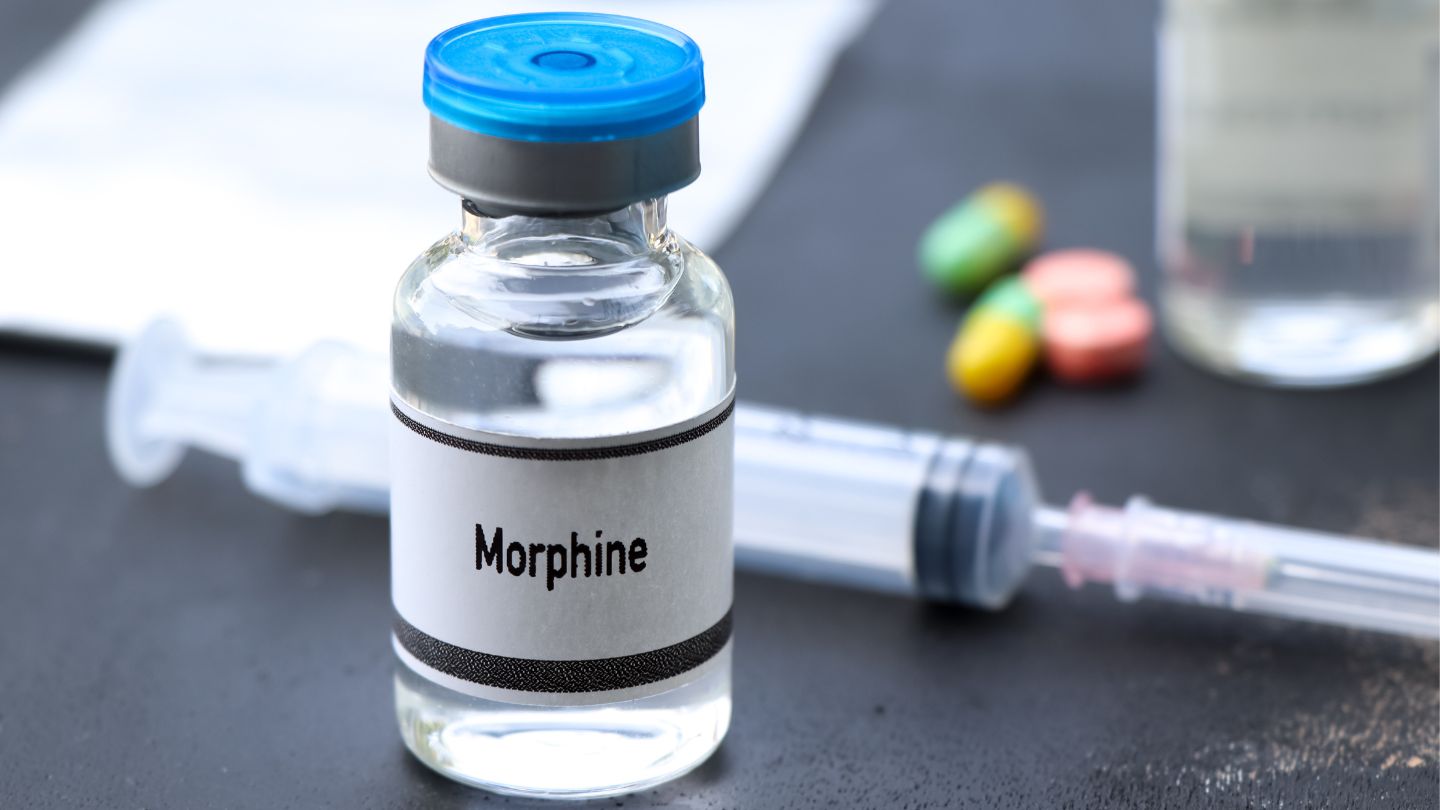
Morphine is among the most widely recognized opioid medications, known for its strong pain-relieving effects. Derived from the opium poppy, morphine has been a critical tool in modern medicine for managing severe or chronic pain. It is often prescribed following surgical procedures, during palliative care, or in cases where other pain medications fail to provide adequate relief. The effectiveness and reliability of morphine make it a popular choice in healthcare, but it’s equally important to understand how long morphine stays in your system. This understanding is crucial for ensuring safe usage, managing withdrawal symptoms, and avoiding the risk of dependency.
This blog dives deeper into the effects of morphine, how it is metabolized, and the factors that affect its detection timeline. Additional topics such as morphine metabolism, morphine withdrawal, addiction treatment options, and professional support for recovery are also explored.
The Mechanism of Morphine in the Body
Morphine works by binding to specific receptors in the brain and nervous system, known as opioid receptors. These receptors are responsible for regulating pain, mood, and even stress. Once morphine interacts with these receptors, it effectively blocks pain signals, relieving discomfort and often producing a sense of relaxation or euphoria.
Read more: The Pink Cloud: Navigating Early Recovery Euphoria
This powerful pain management tool comes in various forms, such as morphine tablets, liquid morphine, or morphine injections. Depending on the patient’s medical needs, healthcare providers choose the most appropriate form. However, prolonged or uncontrolled morphine use often results in dependency due to its interaction with opioid receptors, which underscores the need for careful medical supervision during treatment with this opioid medication.
Read more: Breaking Down Oxycodone Addiction: Understanding the Timeline of Dependency
Factors That Influence Morphine Absorption and Duration
Several factors dictate how morphine is processed by the body and how long it remains detectable in one’s system. For starters, the dosage plays a significant role. Larger doses naturally take a longer time to metabolize and leave the body compared to lower doses. Similarly, the method of morphine administration matters—oral morphine, for instance, takes a different absorption pathway compared to intravenous morphine.
The metabolic rate of an individual is another key influence. Younger, healthier individuals with faster metabolic systems may process morphine more quickly than older adults or individuals with compromised liver or kidney functions. Hydration levels and overall health also impact how efficiently morphine is excreted from the body. Meanwhile, those who use morphine regularly may experience drug accumulation, which can extend detection periods beyond typical timelines.
How Long Does Morphine Stay in the System?
The duration for which morphine is detectable varies based on individual factors and the type of test administered. Here is an in-depth look at morphine detection timelines:
Morphine Detection in Blood
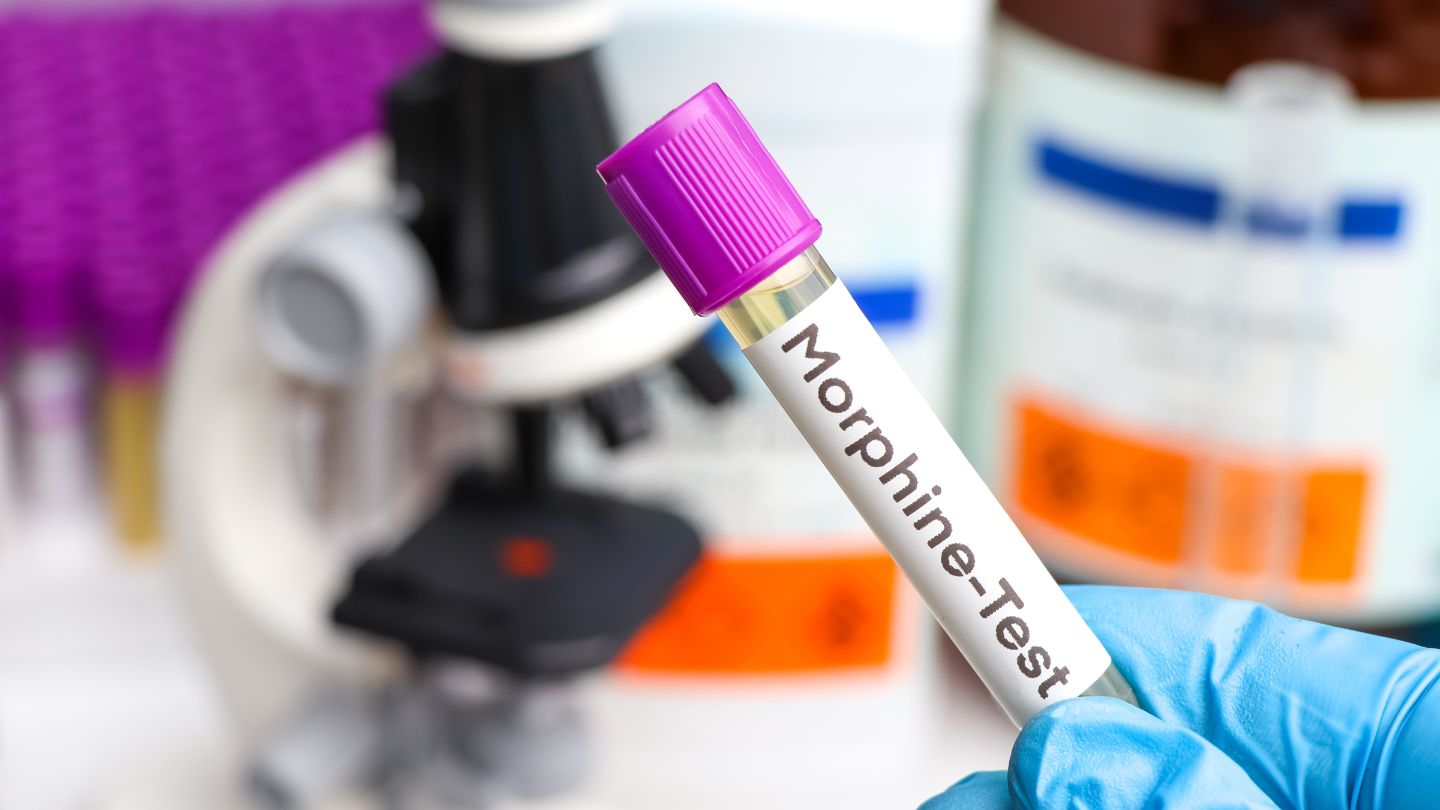
Morphine enters the bloodstream quickly, particularly when injected, and its effects can be felt within minutes. For drug tests, morphine is detectable in the blood for up to 12 hours after consumption. This makes blood tests most effective for identifying recent use. However, since morphine leaves the bloodstream relatively quickly, this method is not ideal for long-term detection.
Morphine Detection in Urine
Urine testing is one of the most commonly used methods for detecting drug use, primarily because morphine metabolites are excreted through urine. Morphine can typically be detected in urine for 48 to 72 hours after the last dose. The exact duration may vary based on the individual’s metabolism, hydration levels, and frequency of use, making it a reliable method for assessing drug use within that timeframe.
Morphine Detection in Saliva
Saliva tests are growing in popularity due to their ease of use and non-invasive nature. These tests provide reasonably accurate results, with morphine being detectable for about one to four days after the most recent dose. Results can vary slightly depending on how much morphine was used and how frequently.
Morphine Detection in Hair Follicles
Hair follicle testing offers the longest detection window for morphine use. When someone uses morphine, trace metabolites are deposited in their hair, where they can stay for up to 90 days or longer. Hair tests are typically used in situations where long-term drug use or addiction is suspected, offering insights into an individual’s drug habits over an extended period.
Morphine Metabolism and Clearance
Once morphine is introduced into the body, it is primarily metabolized in the liver. The process involves the conversion of morphine into two primary metabolites, morphine-3-glucuronide and morphine-6-glucuronide. These metabolites are then excreted through the kidneys and expelled via urine. Individuals with impaired liver or kidney functions may experience delayed morphine clearance, heightening the drug’s potential effects and the risk of accumulation in the body.
The half-life of morphine provides further insights into its duration in the body. For immediate-release morphine, the half-life is typically two to four hours, while extended-release morphine formulations extend this to approximately eight to twelve hours. However, to fully clear morphine from the system, several half-life cycles are required.
Safeguarding Against Morphine Misuse
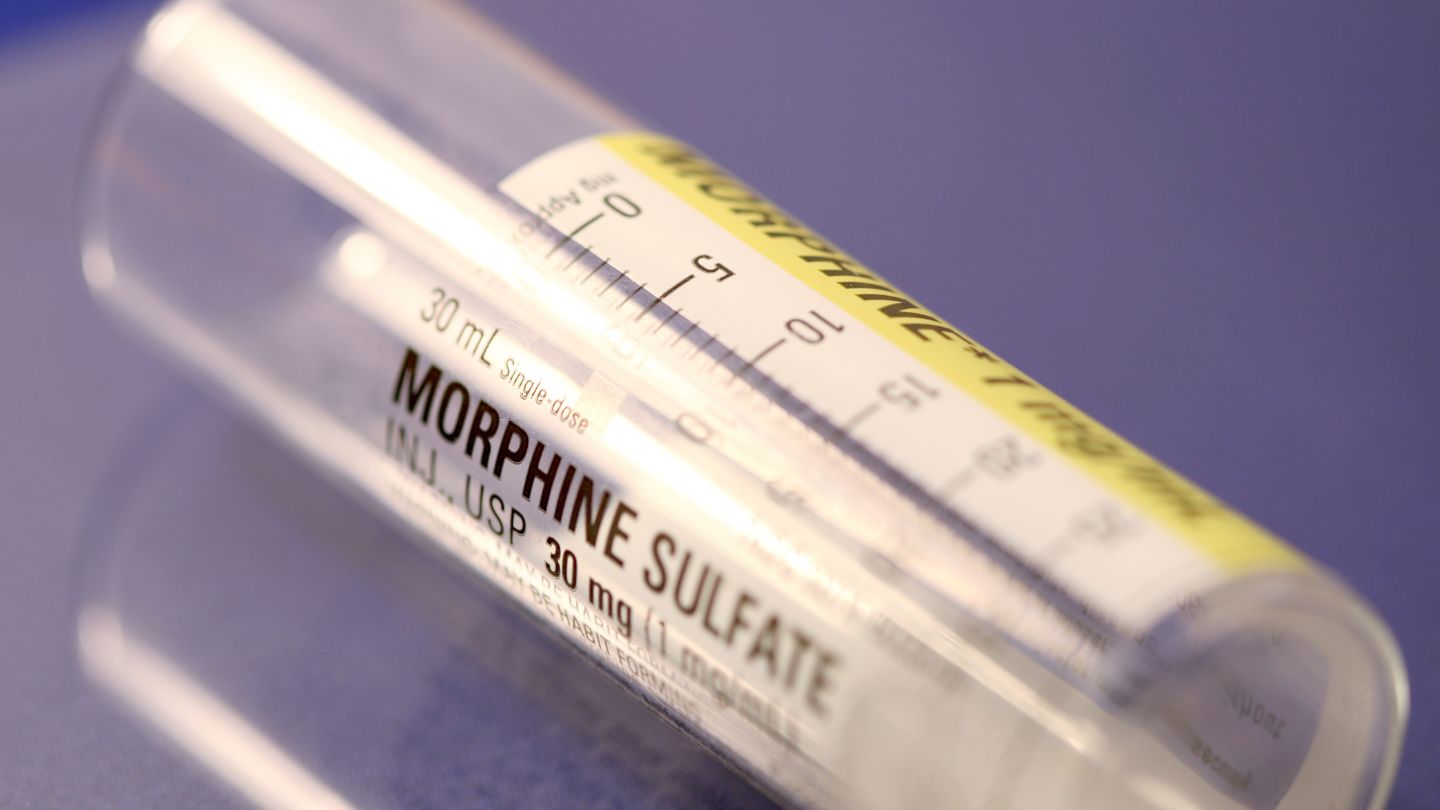
Morphine offers immense benefits when used responsibly under medical supervision. However, misuse of this potent medication can result in significant risks, including the potential for addiction. Safe morphine use begins with taking the medication exactly as prescribed by a healthcare professional, never altering doses or combining morphine with other substances unless explicitly advised to do so. For those with a background of substance abuse or opioid addiction, healthcare providers may consider alternative pain management methods to avoid undue risk.
Understanding the signs of morphine misuse, such as an increasing tolerance to the medication, behavioral changes, or attempts to acquire morphine illicitly, is also essential in preventing long-term dependence or addiction.
Treatment Options for Morphine Addiction
When morphine misuse escalates into full-blown addiction, structured addiction treatment programs provide a path toward recovery. Modern treatments often combine medical interventions with therapeutic approaches to address the physical, emotional, and psychological aspects of dependency.
Medication-assisted treatment (MAT) is widely used to ease withdrawal symptoms and reduce cravings for morphine. These medications, when administered under medical supervision, can help smooth the detox process and create a safer environment for recovery. Intensive outpatient programs (IOPs), on the other hand, offer a structured approach to treatment, allowing individuals to balance their therapy with daily responsibilities. Behavioral counseling, which focuses on identifying triggers and developing healthier coping mechanisms, plays a crucial role in many recovery plans as well.
Professional addiction therapy is especially beneficial for those seeking long-term solutions to their dependency. By providing patients with tools and strategies to overcome their urge to use, they significantly increase the likelihood of sustained recovery.
Alternative Pain Management Options
For individuals at risk of dependency, exploring alternatives to opioid pain relief may be worthwhile. Options such as non-opioid pain medications, physical therapy, and cognitive-behavioral strategies offer effective and holistic pain management. Additionally, advancements in synthetic opioids and alternative medications are paving the way for treatments with lower addiction risks, helping patients prioritize safety without compromising on pain relief.
Professional Support for Recovery and Education
Recovery from morphine dependency is a challenging but achievable goal, especially when supported by professional programs and resources. Discover detailed insights on how bad the morphine withdrawal timeline is and its stages to understand the challenges and processes involved in overcoming dependency effectively; for those in recovery or looking for guidance, tools such as morphine addiction recovery podcasts offer valuable insights and encouragement. These podcasts allow listeners to access motivational advice and learn from real-life experiences at their own pace.
Conclusion
Morphine is a powerful medication that has revolutionized pain management in the healthcare field. While it provides immense relief, understanding how long morphine stays in your system and its potential risks is critical to its safe use. Whether you’re navigating drug testing timelines, experiencing withdrawal symptoms, or seeking addiction treatment, having access to accurate information and professional guidance can make a difference.
For further insights, consider exploring our morphine addiction podcasts. We at The Rehab provide podcasts that share inspiring stories and expert advice designed to support you through recovery. If you or a loved one is ready to take the next step toward health and freedom from addiction, contact us today for personalized support and comprehensive care.