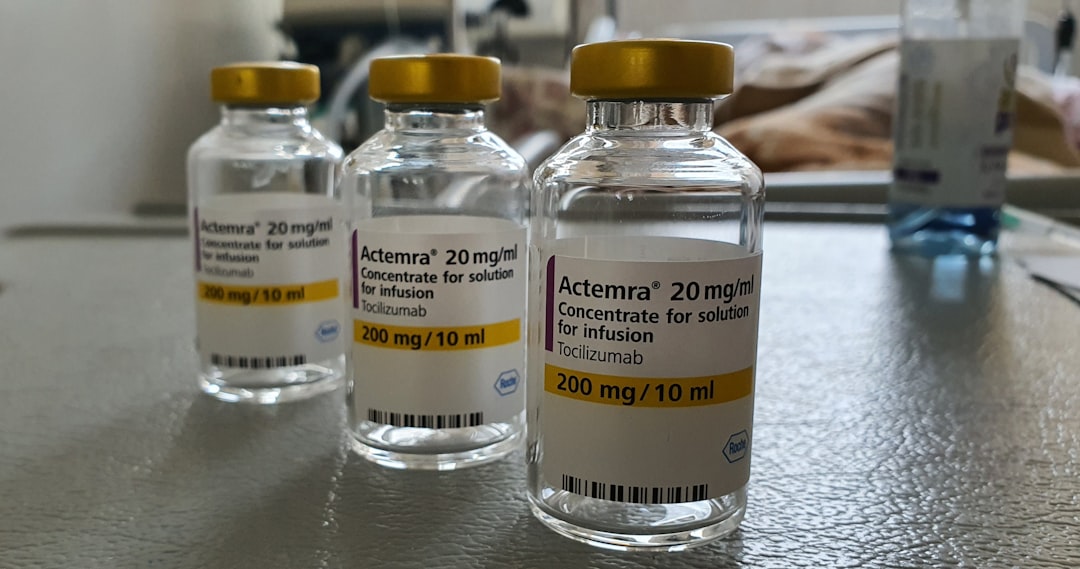
Ketamine therapy is an emerging treatment modality for various mental health disorders, including depression, anxiety, post-traumatic stress disorder (PTSD), and substance use disorders. This approach involves administering low doses of ketamine, a dissociative anesthetic, in a controlled and monitored environment. The most common method of administration is intravenous infusion, although intramuscular injection and nasal spray formulations are also utilized.
Ketamine therapy is often considered for patients who have not responded adequately to conventional treatments such as antidepressants or psychotherapy. The mechanism of action for ketamine therapy primarily involves the glutamate system in the brain, which plays a crucial role in mood and emotional regulation. Ketamine is thought to rapidly increase the levels of certain neurotransmitters, leading to swift improvements in symptoms.
Unlike traditional antidepressants, which may take weeks or months to show effects, ketamine therapy often produces noticeable results within hours or days. This rapid onset of action is particularly beneficial for individuals experiencing acute crises or severe symptoms, making it a valuable option in the treatment of mental health disorders.
The Science Behind Ketamine’s Effectiveness
Neurotransmitters and Mood Regulation
The effects of ketamine therapy are thought to be mediated by its ability to increase the levels of certain neurotransmitters, such as glutamate and dopamine, in the brain. These neurotransmitters play a key role in regulating mood and emotions, and their dysregulation has been implicated in the development of depression and other mental health conditions.
Neuroplasticity and Long-Lasting Effects
In addition to its effects on neurotransmitters, ketamine has also been found to promote the growth of new synaptic connections in the brain, a process known as neuroplasticity. This may help to explain why the effects of ketamine therapy are often long-lasting, even after the drug has been metabolized and cleared from the body.
Anti-Inflammatory and Antioxidant Properties
Furthermore, ketamine has been shown to have anti-inflammatory and antioxidant properties, which may also contribute to its therapeutic effects. Overall, the scientific evidence suggests that ketamine therapy is a promising and effective treatment for a range of mental health conditions.
Ketamine Therapy for Substance Use Disorders
Ketamine therapy has also shown promise as a treatment for substance use disorders, particularly for individuals who have not responded to traditional treatments such as counseling or medication. Research has suggested that ketamine may help to reduce cravings and withdrawal symptoms, as well as improve mood and overall well-being in individuals with substance use disorders. This is thought to be due to ketamine’s effects on the brain’s reward system, as well as its ability to modulate stress and anxiety.
In addition to its direct effects on substance use disorders, ketamine therapy may also help to address underlying mental health issues that contribute to substance abuse. For example, individuals with co-occurring depression or PTSD may benefit from ketamine therapy, as it can help to alleviate their symptoms and reduce the likelihood of self-medication with drugs or alcohol. Overall, ketamine therapy holds promise as a novel and effective approach to addressing substance use disorders, particularly for individuals who have not responded to traditional treatments.
The Potential Benefits of Ketamine Therapy
The potential benefits of ketamine therapy are numerous and far-reaching. For individuals with treatment-resistant depression or anxiety, ketamine therapy offers a rapid and effective treatment option that can provide relief from symptoms within hours or days. This can be life-saving for individuals who are in crisis or at risk of self-harm.
Additionally, ketamine therapy has been found to be effective in reducing suicidal ideation, making it a valuable treatment option for individuals at risk of suicide. In addition to its effects on mood and emotions, ketamine therapy has also been found to improve cognitive function and overall well-being. Many individuals report feeling more motivated, engaged, and present after undergoing ketamine therapy.
This can have a profound impact on their ability to function in daily life and engage in activities that bring them joy and fulfillment. Furthermore, ketamine therapy has been found to have a low risk of addiction or abuse, making it a safe and sustainable treatment option for individuals with mental health conditions.
The Risks and Side Effects of Ketamine Therapy
While ketamine therapy has shown great promise as a treatment for mental health conditions, it is not without risks and side effects. Common side effects of ketamine therapy include dissociation, dizziness, nausea, and changes in blood pressure and heart rate. These effects are typically mild and short-lived, but they can be concerning for some individuals.
In rare cases, ketamine therapy can lead to more serious side effects such as hallucinations, delusions, or psychosis. It is important for individuals considering ketamine therapy to be aware of these potential risks and discuss them with their healthcare provider. Another potential risk of ketamine therapy is its abuse potential.
Ketamine is a controlled substance with a potential for abuse and dependence, particularly when used outside of a clinical setting. It is important for healthcare providers to carefully screen individuals for a history of substance abuse or dependence before initiating ketamine therapy. Additionally, close monitoring and follow-up are essential to ensure the safety and effectiveness of ketamine therapy.
Overall, while the risks and side effects of ketamine therapy should not be overlooked, they must be weighed against the potential benefits for each individual.
The Future of Ketamine Therapy in Addiction Treatment
Addressing Underlying Mental Health Issues
Ketamine therapy offers a novel approach that targets both the underlying mental health issues contributing to addiction and the addictive behaviors themselves. By addressing these underlying issues, ketamine therapy may help individuals overcome addiction and achieve long-term recovery.
Co-occurring Mental Health Conditions
In addition to its direct effects on substance use disorders, ketamine therapy may also help to address the high rates of co-occurring mental health conditions among individuals with addiction. By providing rapid relief from symptoms of depression, anxiety, PTSD, and other mental health conditions, ketamine therapy may reduce the likelihood of self-medication with drugs or alcohol.
Improving Outcomes and Recovery
Overall, the future of ketamine therapy in addiction treatment holds great promise for improving outcomes and addressing the complex needs of individuals with substance use disorders. By providing a novel and effective approach to addiction treatment, ketamine therapy may help individuals achieve long-term recovery and improve their overall well-being.
Finding a Ketamine Therapy Provider
Finding a qualified and reputable ketamine therapy provider is essential for ensuring the safety and effectiveness of treatment. When seeking a provider, it is important to look for healthcare professionals with experience and expertise in administering ketamine therapy for mental health conditions. This may include psychiatrists, anesthesiologists, or other healthcare providers who have undergone specialized training in ketamine therapy.
It is also important to inquire about the specific protocols and procedures used by the provider, as well as their approach to monitoring and follow-up care. A reputable provider will conduct a thorough assessment of each individual’s medical history, mental health symptoms, and treatment goals before initiating ketamine therapy. They will also provide comprehensive education and support throughout the treatment process.
Additionally, it is important to ensure that the provider operates in a safe and professional clinical setting that adheres to all relevant regulations and guidelines for administering ketamine therapy. This includes having appropriate medical supervision and emergency protocols in place to address any potential side effects or complications that may arise during treatment. By taking these factors into consideration when choosing a ketamine therapy provider, individuals can feel confident in the safety and effectiveness of their treatment.