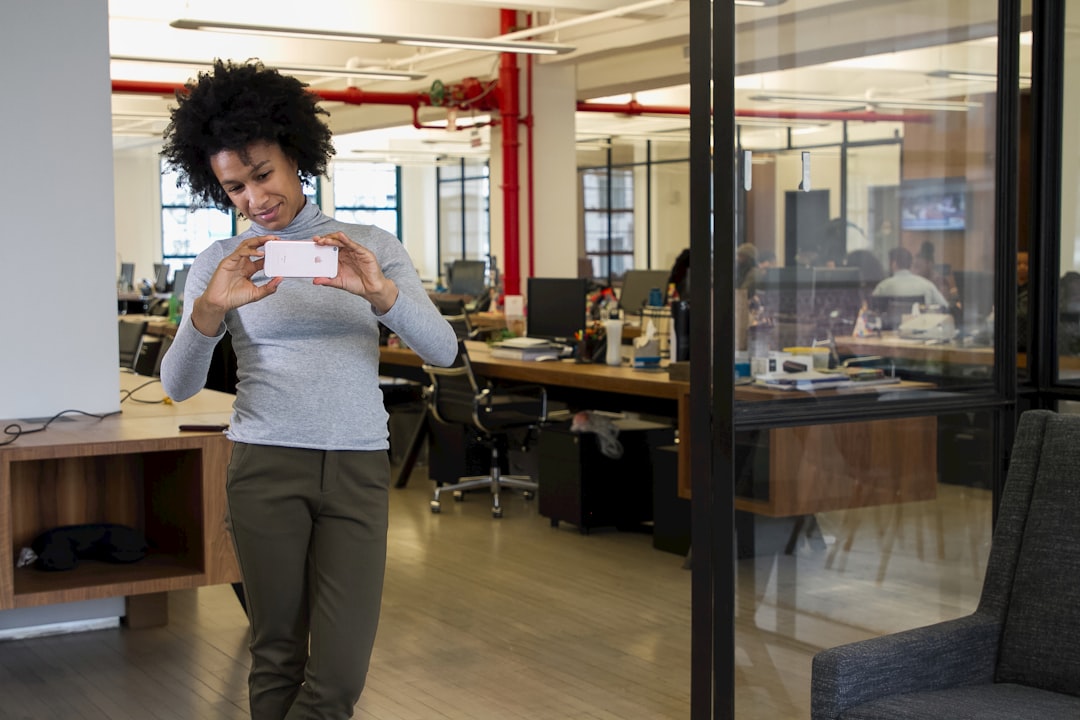
Internet addiction has become a significant concern in modern society due to the widespread availability of technology and internet-connected devices. This phenomenon, also referred to as problematic internet use, is characterized by excessive or compulsive online activity that can negatively impact various aspects of an individual’s life, including personal responsibilities, social relationships, and physical health. The prevalence of internet addiction has been exacerbated by the constant access to online content, entertainment, information, and social interaction.
This addiction can manifest in various forms, such as excessive online gaming, social media use, or compulsive internet browsing. The increasing availability and accessibility of the internet have contributed to the rise of this addiction. Social media platforms, online gaming, and streaming services have led to people spending more time online than ever before.
The addictive nature of these platforms, combined with constant notifications and updates, can make it challenging for individuals to disconnect from their online activities. This constant connectivity can result in a loss of control over internet use, leading to negative consequences in various aspects of life. The rise of internet addiction has also been associated with an increase in mental health issues, such as anxiety and depression.
Excessive internet use can exacerbate these conditions, potentially creating a cycle of dependency and negative mental health outcomes. As the internet continues to play a central role in people’s lives, it is crucial to address the rise of internet addiction and its impact on individual well-being. Understanding and mitigating the effects of problematic internet use has become an important area of concern for mental health professionals and researchers.
Understanding Body Dysmorphia
Manifestations of Body Dysmorphia
Body dysmorphia can manifest in various ways, such as excessive grooming, seeking reassurance about one’s appearance, or avoiding social situations due to concerns about one’s appearance. This condition can have a profound impact on an individual’s mental health and overall well-being.
The Seriousness of Body Dysmorphia
Body dysmorphia is not simply a matter of vanity or low self-esteem; it is a serious mental health condition that requires professional intervention. Individuals with body dysmorphia often experience significant distress and impairment as a result of their preoccupation with their appearance. This can lead to feelings of shame, embarrassment, and isolation, as well as difficulties in forming and maintaining relationships.
Importance of Understanding and Support
It is important to recognize that body dysmorphia is a legitimate mental health condition that requires understanding and support from both the individual affected and those around them. Understanding body dysmorphia is crucial in order to provide appropriate support and treatment for individuals struggling with this condition.
The Impact of Social Media on Body Image
The impact of social media on body image has become a topic of increasing concern in recent years. With the rise of social media platforms such as Instagram, Facebook, and Snapchat, individuals are constantly exposed to idealized and often unrealistic images of beauty and perfection. This can lead to feelings of inadequacy, low self-esteem, and dissatisfaction with one’s own appearance.
The constant comparison to others’ carefully curated images can contribute to negative body image and even body dysmorphia in some cases. The pressure to conform to societal beauty standards perpetuated by social media can have a detrimental impact on individuals’ mental health and well-being. The impact of social media on body image is further exacerbated by the prevalence of photo editing and filtering tools that allow individuals to alter their appearance in photos.
This can create an unrealistic standard of beauty that is unattainable for most people. The constant exposure to these edited images can lead to feelings of inadequacy and a distorted perception of one’s own appearance. Additionally, the culture of “likes” and validation on social media can further perpetuate the pressure to conform to unrealistic beauty standards in order to gain acceptance and approval from others.
The impact of social media on body image highlights the need for greater awareness and critical thinking when consuming content on these platforms.
The Link Between Selfies and Body Dysmorphia
The link between selfies and body dysmorphia has become a topic of interest in recent years. With the rise of social media platforms and the prevalence of selfie culture, individuals are constantly exposed to images of themselves and others that have been carefully curated and edited. This can contribute to a heightened focus on one’s appearance and an increased preoccupation with perceived flaws.
The pressure to present oneself in a certain way in selfies can lead to feelings of inadequacy and dissatisfaction with one’s appearance, which can contribute to body dysmorphia in some cases. The constant comparison to others’ edited and filtered selfies can further perpetuate negative body image and self-esteem issues. The link between selfies and body dysmorphia highlights the need for greater awareness of the potential impact of selfie culture on individuals’ mental health.
The pressure to present oneself in a certain way in selfies can contribute to a heightened focus on one’s appearance and an increased preoccupation with perceived flaws. This can lead to feelings of inadequacy and dissatisfaction with one’s appearance, which can contribute to body dysmorphia in some cases. The constant comparison to others’ edited and filtered selfies can further perpetuate negative body image and self-esteem issues.
It is important for individuals to be mindful of their consumption and creation of selfie content in order to promote a healthy relationship with their own appearance.
Signs and Symptoms of Internet Addiction and Body Dysmorphia
Signs and symptoms of internet addiction can manifest in various ways, including: 1. Preoccupation with the internet: Constantly thinking about being online or anticipating the next time you can go online.
2. Loss of control: Inability to limit or control your internet use, leading to neglect of other responsibilities.
3.
Withdrawal symptoms: Feeling irritable, anxious, or depressed when not able to go online.
4. Tolerance: Needing more time online to achieve the same level of satisfaction.
5. Negative impact on other areas of life: Neglecting work, school, or social obligations due to excessive internet use.
6.
Lying about internet use: Hiding the extent of your internet use from others.
7. Using the internet as a way to escape from problems or relieve negative feelings. Signs and symptoms of body dysmorphia may include: 1.
Preoccupation with perceived flaws: Spending excessive time focusing on perceived flaws in one’s appearance.
2. Compulsive behaviors: Engaging in repetitive behaviors such as checking mirrors or seeking reassurance about one’s appearance.
3. Avoidance: Avoiding social situations or activities due to concerns about one’s appearance.
4.
Distress or impairment: Experiencing significant distress or impairment in various areas of life due to preoccupation with one’s appearance.
5. Seeking cosmetic procedures: Seeking out cosmetic procedures or surgeries in an attempt to fix perceived flaws.
6. Comparison to others: Constantly comparing one’s appearance to others and feeling inadequate as a result.
7.
Difficulty forming relationships: Struggling to form and maintain relationships due to concerns about one’s appearance. It is important for individuals to be aware of these signs and symptoms in order to seek appropriate support and treatment for internet addiction and body dysmorphia.
Coping Strategies and Treatment Options
Managing Internet Addiction
Coping strategies for internet addiction may include setting boundaries by establishing specific times for internet use and sticking to them. Additionally, seeking alternative activities such as engaging in hobbies or activities that do not involve the internet can be helpful. It is also important to seek support from friends, family, or mental health professionals, and to practice mindfulness to reduce compulsive internet use. Furthermore, limiting access to devices that enable excessive internet use can also be an effective strategy.
Overcoming Body Dysmorphia
Treatment options for body dysmorphia may include cognitive-behavioral therapy (CBT), which involves working with a therapist to challenge negative thought patterns and behaviors related to body image. In some cases, medication may be prescribed to help manage symptoms of body dysmorphia. Participating in support groups with others who have experienced similar struggles with body dysmorphia can also be beneficial. Engaging in self-care practices such as exercise, meditation, or journaling can promote positive body image, and seeking professional help from mental health professionals can provide guidance and support in managing body dysmorphia.
Importance of Seeking Help
It is crucial for individuals struggling with internet addiction and body dysmorphia to seek appropriate support and treatment in order to promote their overall well-being. By acknowledging the need for help and taking steps to address these issues, individuals can regain control over their lives and improve their mental health.
Promoting a Healthy Relationship with Social Media
Promoting a healthy relationship with social media involves being mindful of one’s consumption and creation of content on these platforms. Some strategies for promoting a healthy relationship with social media may include: 1. Limiting time spent on social media: Setting specific time limits for social media use in order to avoid excessive exposure to idealized images.
2.
Curating your feed: Following accounts that promote diversity and authenticity rather than unrealistic beauty standards.
3. Practicing critical consumption: Being mindful of the content you consume on social media and questioning its impact on your self-esteem.
4. Engaging in offline activities: Finding hobbies or activities that do not involve social media in order to promote balance in your life.
5.
Seeking support: Reaching out to friends, family, or mental health professionals for support if you are struggling with negative body image related to social media. Promoting a healthy relationship with social media involves being mindful of its potential impact on your mental health and well-being, as well as taking proactive steps to mitigate any negative effects it may have. In conclusion, the rise of internet addiction and body dysmorphia has become a growing concern in today’s society, fueled by the widespread use of technology and the prevalence of idealized images on social media platforms.
It is important for individuals to be aware of the signs and symptoms of these conditions in order to seek appropriate support and treatment when needed. By promoting a healthy relationship with social media and being mindful of its potential impact on mental health, individuals can work towards fostering a positive self-image and overall well-being.