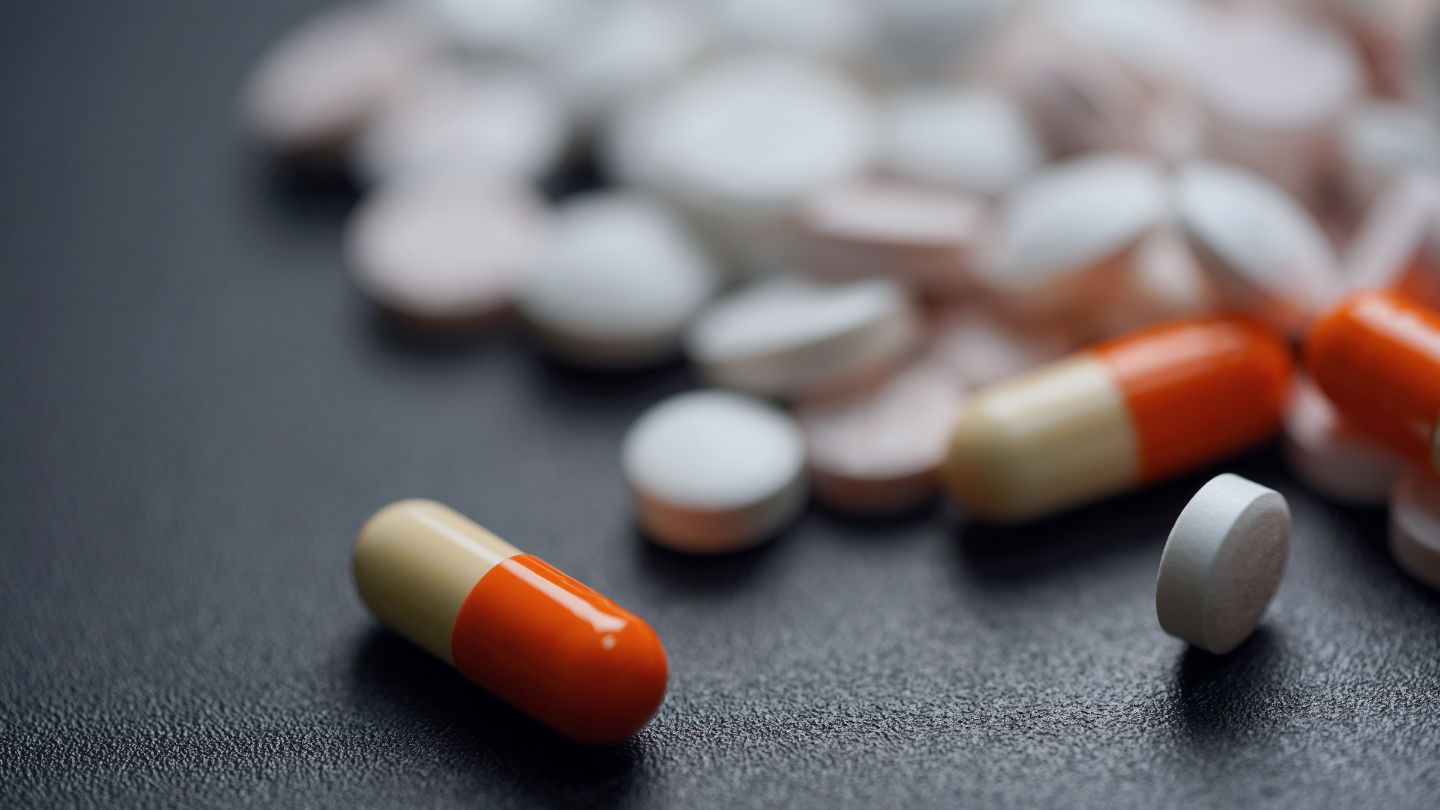
Naltrexone is a key medication in addiction treatment, offering vital support for individuals recovering from opioid use disorder or alcohol dependence. Patients and families often ask, “How long does naltrexone stay in your system?“ Understanding how long it lasts, how it’s cleared, and what factors influence its duration is crucial for anyone considering or currently on naltrexone therapy.
Whether administered as oral naltrexone tablets, a naltrexone injection, or the extended-release Vivitrol injection, the duration of naltrexone in the body varies based on multiple factors. This article provides in-depth information on how naltrexone works, how long it stays in the body, and the important considerations for those in substance abuse and opioid addiction recovery.
What Is Naltrexone and How Does It Work?
Understanding Naltrexone as a Medication for Addiction Treatment
Naltrexone is a prescription opioid antagonist medication designed to treat opioid use disorder and alcohol dependence. By blocking opioid receptors in the brain, it prevents opioids and alcohol from producing pleasurable effects, helping reduce cravings and relapse risks for those managing substance abuse and drug addiction.
Types of Naltrexone Available
Naltrexone is available in several forms, each tailored to specific needs in addiction therapy:
- Oral Naltrexone Tablets: Typically taken daily, these tablets provide support for substance use disorder recovery, especially for those managing opioid cravings.
- Extended-Release Injectable Naltrexone (Vivitrol): This monthly naltrexone injection gradually releases the medication over time, making it ideal for individuals who may struggle with taking daily doses.
The form of naltrexone used affects how long it stays in the body. Oral naltrexone is cleared more quickly than injectable naltrexone or low-dose naltrexone (LDN), which can have longer-lasting effects due to its gradual release.
How Long Does Naltrexone Stay in Your System?

The duration naltrexone remains in your body depends on several factors, including dosage, form, and individual metabolic rates. Let us explore how these factors affect the body.
Half-Life of Oral Naltrexone vs. Injectable Naltrexone
The half-life of a medication is the time it takes for half of the drug to be eliminated from the bloodstream. Oral naltrexone has a half-life of about four hours, meaning it exits the body relatively quickly. However, the effects of naltrexone tablets last for up to 24 hours, requiring daily dosing to maintain effectiveness.
In contrast, Vivitrol injectable naltrexone has a much longer half-life, lasting between 5 to 10 days. This extended-release injection provides a consistent release of medication, ideal for individuals who prefer less frequent dosing.
Factors That Affect How Long Naltrexone Stays in Your Body
The following factors influence the duration of naltrexone treatment in the body:
- Dosage and Form: The extended-release nature of injectable naltrexone allows it to stay in the body longer than naltrexone tablets.
- Metabolism: Individual metabolic rates, affected by factors such as age, weight, and liver function, can significantly impact how quickly the body processes naltrexone.
- Frequency of Use: Consistent, long-term use of naltrexone may prolong its presence in the body, especially for those in addiction treatment.
- Other Medications: Certain prescription medications processed by the liver can impact naltrexone’s clearance. Patients should consult with their doctor about potential interactions with opioid medication or other liver-metabolized drugs.
Read more: What to Avoid When Taking Low-Dose Naltrexone?
How Naltrexone Is Processed in the Body
Understanding how naltrexone is absorbed, metabolized, and eliminated can provide insights into how long it stays in the system.
Absorption and Metabolism
Naltrexone is absorbed in the digestive tract before being processed by the liver. According to the Mayo Clinic, naltrexone breaks down into an active metabolite, 6-β-naltrexone, which extends the medication’s duration in the body. Liver function plays a crucial role in how quickly naltrexone and its metabolites are cleared. Low-dose naltrexone (LDN) and naltrexone implants may also affect the metabolism rate due to the lower but sustained doses they provide.
For individuals with compromised liver function, the clearance of naltrexone may take longer. It’s important for those with liver concerns to monitor their liver health closely and seek professional guidance when beginning naltrexone treatment, especially if recovering from opioid addiction or alcohol dependence.
Detecting Naltrexone in Drug Tests
Blood Tests
Naltrexone can typically be detected in blood tests for approximately 24 hours after oral ingestion, while injectable naltrexone may remain detectable for several weeks due to its sustained release.
Urine Tests
In urine, naltrexone and its active metabolite, 6-β-naltrexone, can be detected for several days after oral administration. For the Vivitrol injection, the drug may remain traceable in urine tests for multiple weeks.
Hair and Saliva Tests
Although rare, hair testing can detect naltrexone for up to 90 days. Saliva tests, however, are generally less reliable for detecting naltrexone.
Limitations of Testing
Standard drug tests for opioids do not typically detect naltrexone, as it is an opioid antagonist rather than an opioid. However, certain specialized tests may detect naltrexone or its metabolites if specifically requested in opioid dependence treatment programs.
Effects of Naltrexone on Addiction Recovery

Managing Withdrawal Symptoms and Opioid Cravings
By blocking opioid receptors, naltrexone helps reduce opioid cravings and withdrawal symptoms associated with opioid use disorder. This makes naltrexone therapy a crucial component of medication-assisted treatment (MAT) for those managing substance abuse. By controlling cravings and reducing the likelihood of relapse, naltrexone empowers patients on their path to recovery.
Benefits of Long-Lasting Treatment Options
Extended-release options like the Vivitrol injection or naltrexone implants ensure consistent medication levels in the bloodstream, which can prevent the highs and lows associated with cravings. This stability is beneficial for individuals struggling with drug addiction who may find daily dosing challenging.
Important Considerations for Patients in Addiction Treatment Programs
Before discontinuing naltrexone, patients should consult their healthcare providers. Stopping naltrexone abruptly can heighten cravings and increase the risk of relapse. Additionally, it’s essential to discuss any other medications being taken, as they may interact with naltrexone, potentially impacting liver health and the effectiveness of the addiction treatment program.
Clearing Naltrexone from the System and Possible Side Effects
The time required for naltrexone to leave the system varies based on its form:
- Oral Naltrexone: Typically clears from the system within 24-48 hours.
- Vivitrol Injection: Can remain detectable for several weeks, with traces possibly detectable for a month.
Potential Side Effects During Naltrexone Clearance
As naltrexone leaves the system, some users may experience mild side effects, including:
- Headaches
- Nausea
- Dizziness
- Muscle aches
Patients should inform their healthcare provider if they experience unusual or severe side effects, especially when undergoing opioid withdrawal.
Final Thoughts
Naltrexone is an essential medication in addiction treatment programs, helping individuals manage cravings and withdrawal symptoms associated with opioid use disorder and alcohol dependence. Whether used in tablet form or as a Vivitrol injection, the duration of naltrexone in the body depends on individual metabolism and the form of medication.
For those considering naltrexone as part of their recovery, consulting with a healthcare provider is essential to ensure safe, effective treatment. Knowing how long naltrexone stays in the system and what influences its duration can help patients make informed decisions on their journey to recovery.
To learn more about addiction treatment options and naltrexone therapy, tune in to The Rehab’s naltrexone podcast, an addiction resource dedicated to supporting individuals in overcoming substance use disorder and reclaiming a healthier life.
Frequently Asked Questions (FAQs)
How long does naltrexone stay in your system?
Naltrexone stays in the system for varying durations based on form, dosage, and individual factors. Oral naltrexone typically clears within 24-48 hours, while injectable naltrexone (Vivitrol) may remain in the body for several weeks.
Can naltrexone cause withdrawal symptoms?
Naltrexone itself does not cause traditional withdrawal symptoms associated with opioids, but some users may experience mild side effects as it leaves the system, such as headaches or nausea.
How does naltrexone help in addiction treatment?
Naltrexone works by blocking opioid receptors in the brain, which reduces cravings and the risk of relapse in individuals recovering from opioid use disorder or alcohol dependence. It’s a vital medication-assisted treatment option for substance use disorder.
What is the difference between oral naltrexone and the Vivitrol injection?
Oral naltrexone is a daily tablet, whereas Vivitrol is a monthly injection that provides a slow, consistent release of the medication. Injectable naltrexone stays in the body longer, making it ideal for those who find daily dosing challenging.
Will naltrexone show up on a drug test?
Standard drug tests for opioids typically do not detect naltrexone, as it is an opioid antagonist and not an opioid. However, certain specialized tests may detect naltrexone if specifically requested.
Can you drink alcohol while taking naltrexone?
Since naltrexone is used to treat alcohol dependence, drinking alcohol may reduce the effectiveness of naltrexone therapy. It’s recommended to consult a healthcare provider for guidance.