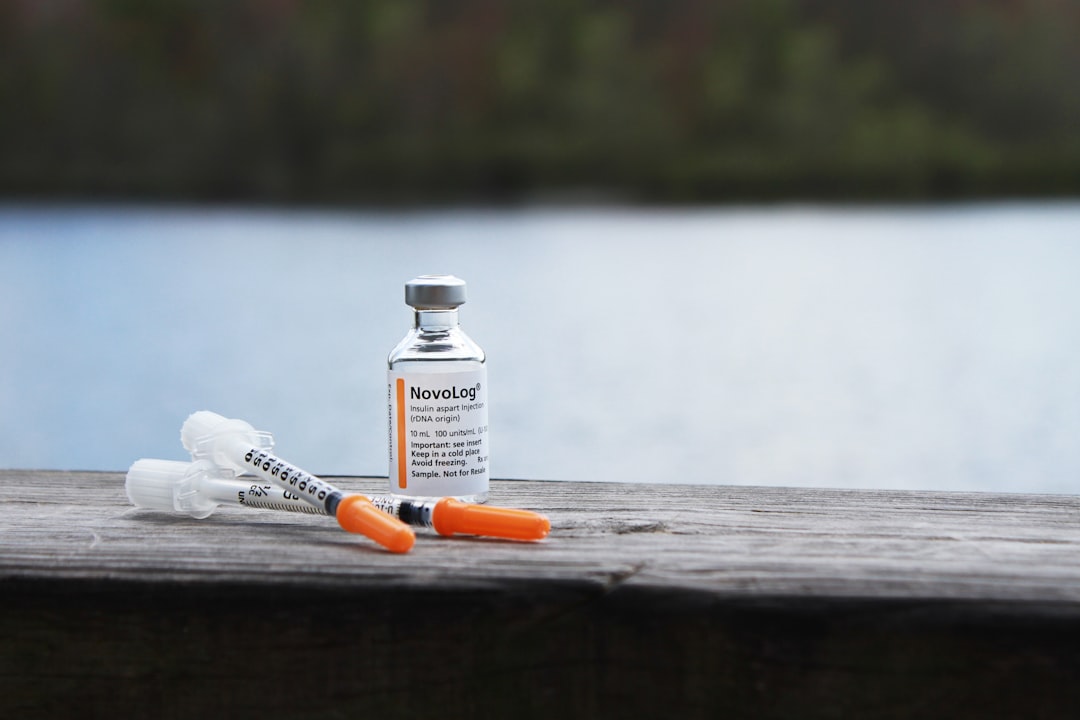
Harm reduction in prisons has a significant history dating back to the early 1980s, coinciding with the onset of the HIV/AIDS epidemic. This public health crisis disproportionately affected incarcerated populations, exposing the inadequacies of many prison systems worldwide in addressing such health emergencies. As a response, harm reduction strategies were introduced in some prisons, including needle exchange programs and opioid substitution therapy.
These initiatives aimed to reduce the transmission of infectious diseases and support individuals with substance use disorders, marking the beginning of efforts to prioritize public health and human rights within correctional facilities. The concept of harm reduction in prisons has since expanded to include a broader range of interventions. These strategies aim to minimize the negative consequences of drug use and improve the overall well-being of incarcerated individuals.
Current harm reduction measures in prisons may include providing access to sterile needles, offering medication-assisted treatment for opioid addiction, and implementing overdose prevention programs. The scope of these initiatives has also widened to address other health concerns prevalent in prison populations, such as mental illness, various infectious diseases, and sexual health issues. Despite the progress made, the implementation of harm reduction strategies in prisons continues to face challenges and resistance.
However, the evolution of these programs reflects a growing acknowledgment of the complex health needs of incarcerated populations and the importance of addressing them effectively within the criminal justice system.
The Controversy Surrounding Harm Reduction in Prison
Concerns and Criticisms
One of the main points of contention is the perception that providing harm reduction services to inmates may be seen as condoning or enabling drug use. Critics argue that such initiatives could undermine efforts to deter substance abuse and promote abstinence among incarcerated individuals. Additionally, there are concerns about the potential for misuse or diversion of harm reduction resources within correctional facilities.
Barriers to Implementation
Some prison administrators and staff may hold stigmatizing attitudes towards individuals with substance use disorders, which can create barriers to implementing harm reduction programs. The lack of understanding about the principles and effectiveness of harm reduction may also contribute to resistance within prison systems.
The Case for Harm Reduction in Prisons
Despite these challenges, advocates for harm reduction in prisons emphasize that these strategies are evidence-based and have been shown to improve public health outcomes. They argue that denying access to harm reduction services not only violates the human rights of incarcerated individuals but also perpetuates cycles of addiction and disease transmission.
The Benefits of Implementing Harm Reduction in Prisons
Implementing harm reduction strategies in prisons offers a wide range of benefits for incarcerated individuals, correctional staff, and the broader community. One of the primary advantages is the potential to reduce the transmission of infectious diseases, such as HIV and hepatitis C, among inmates. By providing access to clean needles and syringes, as well as education on safe injection practices, harm reduction programs can significantly lower the risk of blood-borne infections within correctional facilities.
This not only improves the health and well-being of incarcerated individuals but also contributes to public health efforts to control the spread of infectious diseases in the community upon release. In addition to preventing disease transmission, harm reduction initiatives in prisons can also help address overdose-related fatalities. By offering naloxone training and distribution, correctional facilities can equip both inmates and staff with life-saving tools to respond to opioid overdoses.
This proactive approach to overdose prevention has the potential to save lives and reduce the burden on emergency medical services. Furthermore, harm reduction programs can support individuals in accessing treatment for substance use disorders, thereby increasing the likelihood of successful rehabilitation and reintegration into society upon release from prison.
Challenges and Obstacles in Implementing Harm Reduction in Prisons
Despite the numerous benefits associated with harm reduction in prisons, there are several challenges and obstacles that can impede its implementation. One significant barrier is the lack of political will and support for harm reduction initiatives within correctional systems. In some jurisdictions, policymakers and prison administrators may be resistant to adopting these strategies due to ideological or moral objections to drug use.
This can create a hostile environment for advocates seeking to introduce harm reduction programs in prisons. Another obstacle is the limited resources available for implementing and sustaining harm reduction services within correctional facilities. Budget constraints, staffing shortages, and competing priorities may hinder efforts to establish comprehensive harm reduction programs in prisons.
Additionally, there may be logistical challenges related to procuring and distributing harm reduction supplies, as well as providing training for staff on how to effectively support individuals with substance use disorders. Furthermore, stigma and discrimination towards incarcerated individuals who use drugs can pose a significant barrier to the successful implementation of harm reduction in prisons. Negative attitudes among correctional staff, as well as misconceptions about addiction and recovery, can create a hostile environment that undermines efforts to promote health and well-being among inmates.
Overcoming these challenges requires a concerted effort to educate stakeholders, advocate for policy change, and build partnerships with community organizations and public health agencies.
Successful Examples of Harm Reduction Programs in Prisons
Despite the challenges associated with implementing harm reduction in prisons, there are several successful examples of programs that have demonstrated positive outcomes for incarcerated individuals. In Canada, for instance, several correctional facilities have implemented needle exchange programs that provide access to sterile injection equipment for inmates who use drugs. These initiatives have been shown to reduce the prevalence of blood-borne infections and promote safer injection practices among participants.
Additionally, some Canadian prisons offer opioid substitution therapy, such as methadone or buprenorphine, to support individuals with opioid use disorders in managing their addiction while incarcerated. In Europe, countries like Switzerland and Germany have established comprehensive harm reduction programs in prisons that include needle exchange services, opioid substitution therapy, and overdose prevention measures. These initiatives have contributed to significant reductions in drug-related harms and have been associated with improved health outcomes for incarcerated individuals.
Moreover, research has shown that providing access to harm reduction services in prisons can lead to lower rates of recidivism and better engagement with post-release healthcare services. In the United States, several states have implemented naloxone distribution programs in correctional facilities to prevent opioid overdose deaths among inmates. These efforts have been successful in equipping both staff and incarcerated individuals with the knowledge and resources needed to respond effectively to overdose emergencies.
By highlighting these successful examples, advocates for harm reduction in prisons aim to demonstrate the feasibility and effectiveness of these strategies in diverse settings.
The Role of Education and Advocacy in Promoting Harm Reduction in Prisons
Education and advocacy play a crucial role in promoting harm reduction in prisons and overcoming resistance to these strategies. By raising awareness about the evidence-based nature of harm reduction and its potential benefits for incarcerated individuals and communities, advocates can help dispel misconceptions and stigma surrounding drug use in correctional settings. This includes providing training for correctional staff on how to support individuals with substance use disorders in a non-judgmental and compassionate manner.
Furthermore, advocacy efforts can focus on engaging policymakers and stakeholders at multiple levels to promote policy changes that support the implementation of harm reduction programs in prisons. This may involve collaborating with public health agencies, community organizations, and academic institutions to build a strong evidence base for harm reduction and demonstrate its alignment with public health goals. Additionally, advocating for adequate funding and resources for harm reduction initiatives within correctional systems is essential for ensuring their sustainability and impact.
Education and advocacy efforts can also involve amplifying the voices of incarcerated individuals who have firsthand experience with drug use and its associated harms. By centering the perspectives of those directly impacted by punitive drug policies, advocates can humanize the issue and underscore the urgent need for compassionate and evidence-based approaches to addressing substance use disorders in prisons. Ultimately, education and advocacy are essential tools for driving systemic change and promoting a more humane and effective approach to supporting the health and well-being of incarcerated individuals.
The Future of Harm Reduction in Prison: Potential Changes and Developments
Looking ahead, the future of harm reduction in prisons holds potential for significant changes and developments that could transform how correctional systems address substance use disorders and related health concerns. One area of growth is the expansion of medication-assisted treatment (MAT) for opioid use disorders within correctional facilities. MAT has been shown to be highly effective in supporting individuals with opioid addiction in managing their cravings and withdrawal symptoms, yet access to these treatments remains limited in many prison settings.
Advocates are pushing for broader implementation of MAT programs in prisons as a means of reducing overdose deaths and improving long-term outcomes for incarcerated individuals. Another area of potential change is the integration of harm reduction principles into broader healthcare delivery within correctional facilities. By adopting a holistic approach that prioritizes harm reduction alongside other medical interventions, prisons can better address the complex health needs of their inmate populations.
This may involve enhancing mental health services, expanding access to sexual health resources, and integrating harm reduction education into existing healthcare programming. Furthermore, there is growing recognition of the need to address systemic issues such as over-incarceration, racial disparities, and punitive drug policies that contribute to high rates of substance use disorders within prison populations. Advocates are calling for reforms that prioritize diversion programs, decriminalization of drug possession, and alternatives to incarceration for individuals struggling with substance use disorders.
By addressing these root causes, there is potential to reduce the overall burden of drug-related harms within correctional systems. In conclusion, the history of harm reduction in prisons reflects a growing understanding of the importance of addressing substance use disorders as public health issues rather than solely as matters of criminal justice. While there are challenges and controversies surrounding these strategies, their potential benefits for incarcerated individuals and communities are significant.
By continuing to advocate for evidence-based approaches, educate stakeholders, and drive systemic change, there is potential to transform how prisons support the health and well-being of those impacted by substance use disorders. The future of harm reduction in prisons holds promise for positive changes that prioritize compassion, public health, and human rights within correctional settings.