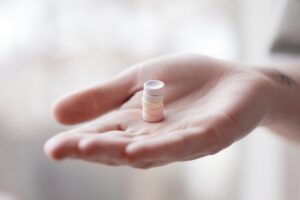
Club drugs are a category of psychoactive substances commonly used at parties, nightclubs, and music festivals. These substances are often chosen for their ability to enhance social experiences, increase energy, and induce euphoria. Common club drugs include MDMA (ecstasy), ketamine, GHB, cocaine, and LSD.
Each of these substances has distinct effects on the body and mind, and they are frequently consumed in combination with alcohol or other drugs. It is crucial to recognize the significant risks and potential consequences associated with club drug use. Many of these substances are illegal and unregulated, making it impossible for users to determine their purity or potency accurately.
This uncertainty can result in accidental overdoses, poisoning, and various health complications. Furthermore, the use of club drugs may lead to high-risk behaviors, including unprotected sexual activity, impaired driving, and violent conduct. The effects of club drugs on the body and mind can vary widely, and their impact may be intensified when combined with alcohol or other substances.
The illegal and unregulated nature of these drugs means that users cannot be certain of their composition or strength, increasing the risk of adverse reactions. Potential consequences of club drug use include accidental overdose, poisoning, and various health issues. Additionally, individuals under the influence of these substances may engage in dangerous behaviors such as unprotected sex, driving while impaired, or violent actions.
Understanding these risks is essential for making informed decisions about drug use and implementing effective harm reduction strategies.
The Importance of Harm Reduction
Key Harm Reduction Approaches
Harm reduction approaches include providing education about safer drug use, distributing clean needles and syringes to prevent the spread of blood-borne diseases, and offering access to naloxone to reverse opioid overdoses.
The Importance of Harm Reduction in Addressing Club Drug Use
Harm reduction is an important approach for addressing the use of club drugs because it acknowledges the reality of drug use and seeks to minimize the potential harms associated with it. By providing information about safer drug use practices, harm reduction can help individuals make more informed choices about their drug use. Additionally, harm reduction strategies such as providing access to naloxone can save lives by reversing overdoses and preventing fatalities.
A Compassionate, Pragmatic, and Effective Approach
Overall, harm reduction is an essential component of addressing the use of club drugs in a way that is compassionate, pragmatic, and effective. By recognizing that people will continue to use drugs despite the risks, harm reduction strategies can help minimize harm and promote a safer and healthier approach to drug use.
Safer Partying Practices
Safer partying practices are essential for reducing the risks associated with club drug use. These practices include staying hydrated by drinking water regularly, taking breaks from dancing and physical activity, and avoiding mixing drugs with alcohol or other substances. It’s also important to be mindful of the environment in which drugs are being used, such as ensuring that there are safe spaces for people to rest and recover if needed.
Another important aspect of safer partying practices is looking out for one another. This includes staying with friends and watching out for signs of distress or overdose. It’s crucial to have a plan in place for getting help if someone experiences a medical emergency while using club drugs.
By implementing these safer partying practices, individuals can reduce the potential harms associated with club drug use and create a more enjoyable and safe party environment. Safer partying practices are essential for reducing the risks associated with club drug use. These practices include staying hydrated by drinking water regularly, taking breaks from dancing and physical activity, and avoiding mixing drugs with alcohol or other substances.
It’s also important to be mindful of the environment in which drugs are being used, such as ensuring that there are safe spaces for people to rest and recover if needed.
Tips for Safer Drug Use
When it comes to using club drugs, there are several tips that can help minimize the potential risks and negative consequences. One important tip is to start with a small dose and wait to see how it affects you before taking more. It’s also crucial to be aware of the potential interactions between different substances and to avoid mixing drugs with alcohol or other medications.
Another important tip for safer drug use is to test the purity and potency of substances whenever possible. This can be done using drug checking services or testing kits to ensure that the substance being used is what it is believed to be. Additionally, it’s important to be mindful of the setting in which drugs are being used and to have a plan in place for getting help if needed.
By following these tips for safer drug use, individuals can reduce the potential harms associated with club drug use and make more informed decisions about their drug use. When it comes to using club drugs, there are several tips that can help minimize the potential risks and negative consequences. One important tip is to start with a small dose and wait to see how it affects you before taking more.
It’s also crucial to be aware of the potential interactions between different substances and to avoid mixing drugs with alcohol or other medications.
Recognizing and Responding to Overdoses
Recognizing the signs of an overdose is crucial for responding quickly and effectively in an emergency situation. Some common signs of an overdose include difficulty breathing, loss of consciousness, seizures, and vomiting. If someone is experiencing an overdose, it’s important to call for emergency medical assistance immediately.
In addition to recognizing the signs of an overdose, it’s important to know how to respond effectively. This may include administering naloxone if an opioid overdose is suspected, performing CPR if someone stops breathing, or placing someone in the recovery position if they are unconscious but breathing. By being able to recognize and respond to overdoses, individuals can potentially save lives and prevent fatal outcomes associated with club drug use.
Recognizing the signs of an overdose is crucial for responding quickly and effectively in an emergency situation. Some common signs of an overdose include difficulty breathing, loss of consciousness, seizures, and vomiting. If someone is experiencing an overdose, it’s important to call for emergency medical assistance immediately.
Accessing Support and Resources
Receiving Compassionate and Effective Help
By accessing support and resources, individuals can receive the help they need to address their drug use in a way that is compassionate and effective.
Knowing Where to Turn for Help
It’s essential for individuals to know where they can turn for help if they need it, whether it’s for themselves or for someone else who may be struggling with drug use.
Available Resources
There are a variety of resources available, including hotlines, support groups, counseling services, and harm reduction programs that can provide information, guidance, and assistance.
Advocating for Policy Change
Advocating for policy change is an important way to address the issues associated with club drug use on a larger scale. This may include advocating for increased access to harm reduction services such as naloxone distribution programs, needle exchange programs, and drug checking services. It may also involve advocating for changes in drug laws and policies that prioritize public health approaches over punitive measures.
By advocating for policy change, individuals can work towards creating a more supportive and effective system for addressing club drug use. This may involve engaging in advocacy efforts at the local, state, or national level to promote policies that prioritize harm reduction, public health, and compassion. Advocating for policy change is an important way to address the issues associated with club drug use on a larger scale.
This may include advocating for increased access to harm reduction services such as naloxone distribution programs, needle exchange programs, and drug checking services. It may also involve advocating for changes in drug laws and policies that prioritize public health approaches over punitive measures.