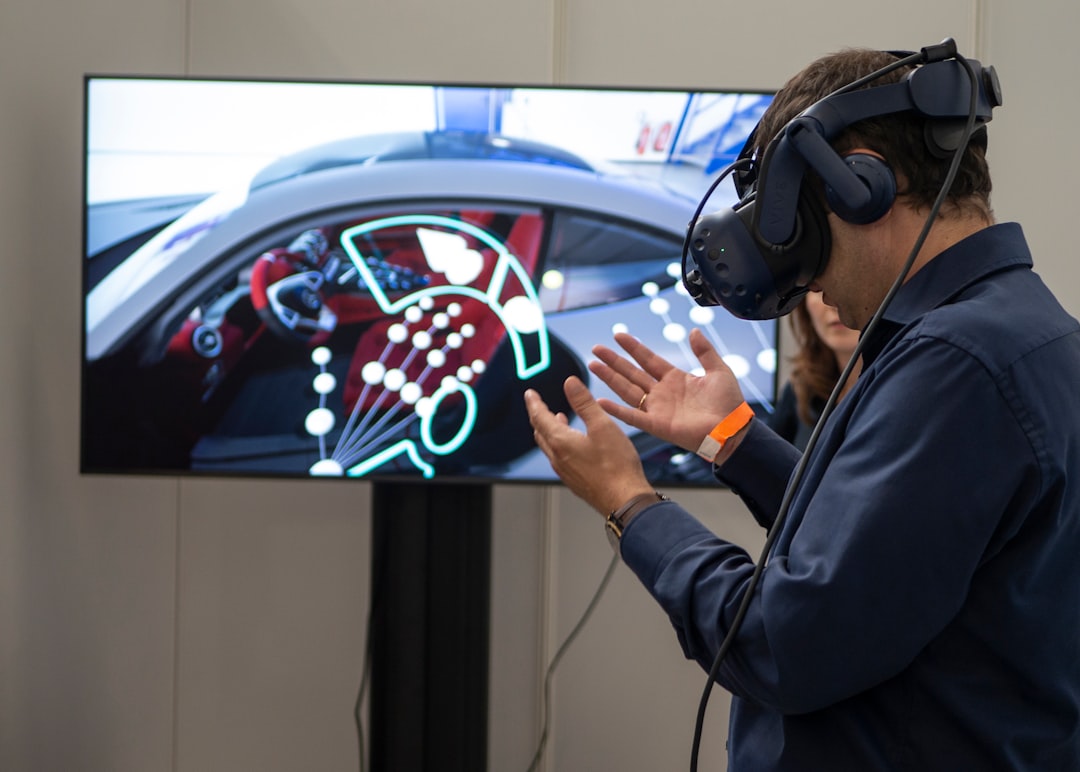
Gaming has evolved beyond mere entertainment and time-passing activities, emerging as a potential therapeutic tool for enhancing mental health and overall well-being. While the concept of utilizing gaming for therapeutic purposes may appear unconventional, scientific research has demonstrated its positive effects on various aspects of mental health. These benefits include improvements in cognitive function, social skills, and emotional well-being.
The continuous advancement of technology is expected to further expand the potential applications of gaming as a therapeutic tool, making it an increasingly promising area of study for mental health professionals and individuals seeking alternative therapeutic approaches.
The Benefits of Gaming for Mental Health
Escapism and Social Connection
Gaming provides a sense of escapism and distraction from the stresses and challenges of everyday life, offering a break from reality and allowing individuals to focus on something enjoyable and engaging. This can be particularly beneficial for those dealing with anxiety, depression, or other mental health issues. Additionally, gaming has been shown to improve mood and reduce feelings of loneliness and isolation, as it provides an opportunity for social interaction and connection with others, whether through multiplayer games or online communities.
Boosting Self-Esteem and Confidence
The sense of accomplishment and achievement that comes with progressing through levels or completing challenges in games can boost self-esteem and confidence, which are essential components of mental well-being. Overall, gaming can provide a much-needed mental and emotional break while also offering opportunities for social connection and personal growth.
Cognitive Function and Brain Stimulation
Gaming has also been found to have a positive impact on cognitive function, including memory, attention, and problem-solving skills. Many games require players to use critical thinking and strategic planning to progress, which can help improve cognitive abilities and keep the mind sharp. Additionally, certain types of games, such as puzzle or strategy games, have been specifically designed to challenge and stimulate the brain, making them an excellent tool for maintaining cognitive function and preventing cognitive decline.
How Gaming Can Improve Cognitive Function
In addition to providing a mental break and offering social connection, gaming has also been found to have a positive impact on cognitive function. Many games require players to use critical thinking and strategic planning to progress, which can help improve cognitive abilities and keep the mind sharp. Additionally, certain types of games, such as puzzle or strategy games, have been specifically designed to challenge and stimulate the brain, making them an excellent tool for maintaining cognitive function and preventing cognitive decline.
As individuals age, maintaining cognitive abilities becomes increasingly important, and gaming can offer a fun and engaging way to keep the mind active and healthy. Furthermore, research has shown that gaming can improve memory and attention span, as players are often required to remember complex instructions or details within the game environment. This can be particularly beneficial for individuals with conditions that affect memory or attention, such as ADHD or dementia.
By engaging in regular gameplay, individuals can exercise their cognitive abilities and potentially improve their overall cognitive function over time. Additionally, the fast-paced nature of many games can help improve reaction times and decision-making skills, which are essential components of cognitive function in everyday life. Overall, gaming offers a unique and enjoyable way to maintain and improve cognitive abilities while also providing entertainment and enjoyment.
The Social and Emotional Benefits of Gaming
In addition to its cognitive benefits, gaming also offers significant social and emotional benefits for individuals. Many games provide opportunities for social interaction and connection with others, whether through multiplayer games or online communities. This can be particularly valuable for individuals who may struggle with social anxiety or have difficulty forming connections in traditional social settings.
Gaming allows individuals to connect with others who share similar interests and hobbies, creating a sense of belonging and community that can be incredibly meaningful for mental well-being. Furthermore, gaming can provide a sense of accomplishment and achievement that can boost self-esteem and confidence. As players progress through levels or complete challenges within games, they experience a sense of mastery and success that can have a positive impact on their emotional well-being.
This is particularly true for individuals who may struggle with low self-esteem or feelings of inadequacy in other areas of their lives. The sense of agency and control that comes with gaming can empower individuals and help them build resilience in the face of challenges. Additionally, gaming can offer a form of emotional regulation and stress relief for individuals dealing with difficult emotions or experiences.
Engaging in a virtual world can provide a much-needed escape from reality and allow individuals to process their emotions in a safe and controlled environment. This can be particularly beneficial for individuals dealing with trauma or high levels of stress, as it offers a healthy outlet for emotional expression and release. Overall, gaming provides a unique opportunity for social connection, personal growth, and emotional regulation that can have a significant impact on mental well-being.
Gaming as a Tool for Stress Relief and Relaxation
One of the most significant benefits of gaming for mental health is its ability to provide stress relief and relaxation. Engaging in a virtual world can offer a break from reality and allow individuals to focus on something enjoyable and engaging, which can be particularly beneficial for those dealing with anxiety or high levels of stress. The immersive nature of many games can provide a much-needed distraction from negative thoughts or worries, allowing individuals to relax and unwind in a safe and controlled environment.
Furthermore, gaming has been found to have a calming effect on the nervous system, as it requires focused attention and concentration that can help reduce feelings of anxiety or tension. This can be particularly beneficial for individuals who struggle with chronic stress or have difficulty relaxing in traditional ways. Engaging in gameplay allows individuals to enter a state of flow where they are fully absorbed in the activity at hand, providing a sense of calm and tranquility that can be incredibly soothing for mental well-being.
Additionally, gaming offers an opportunity for individuals to engage in enjoyable activities that bring them pleasure and satisfaction, which is essential for overall well-being. By participating in activities that bring joy and fulfillment, individuals can reduce feelings of stress and increase their overall sense of happiness and contentment. This is particularly important for individuals who may struggle with low mood or lack of motivation, as gaming offers an accessible and enjoyable way to boost their emotional well-being.
The Potential Drawbacks and Risks of Excessive Gaming
The Risks of Gaming Addiction
One significant risk is the potential for gaming addiction, which can lead to negative consequences for an individual’s overall well-being. Excessive gaming can lead to neglect of responsibilities, social isolation, physical health problems, and interference with daily functioning.
Physical Health Consequences
Excessive gaming can lead to physical health issues such as eye strain, musculoskeletal problems, and poor sleep habits. Prolonged periods of screen time can strain the eyes and lead to discomfort or vision problems over time. Additionally, sitting in one position for extended periods while gaming can lead to musculoskeletal issues such as back pain or repetitive strain injuries.
Maintaining a Healthy Balance
Another potential drawback of excessive gaming is its impact on social relationships and overall well-being. Spending excessive amounts of time gaming can lead to social isolation and neglect of important relationships in an individual’s life. It is essential for individuals to maintain a balance between gaming and other activities that contribute to their overall well-being, such as spending time with loved ones or engaging in physical activity.
Tips for Using Gaming as a Therapeutic Tool
For those interested in using gaming as a therapeutic tool, there are several tips to keep in mind to maximize its benefits while minimizing potential risks. First and foremost, it is essential to maintain a healthy balance between gaming and other activities that contribute to overall well-being. This includes engaging in physical activity, spending time with loved ones, pursuing hobbies outside of gaming, and taking regular breaks from screen time.
Additionally, it is important to monitor gaming habits and seek help if gameplay becomes excessive or problematic. This may involve setting limits on screen time, seeking support from mental health professionals if addiction is a concern, or finding alternative forms of therapy if gaming is not providing the desired benefits. Furthermore, it is essential to choose games that align with personal interests and preferences while also offering opportunities for social interaction, cognitive stimulation, and emotional regulation.
This may involve exploring different genres of games to find what resonates most with individual needs and goals. Overall, gaming has the potential to be a valuable therapeutic tool for improving mental health and overall well-being when used mindfully and intentionally. By understanding its potential benefits and risks, individuals can make informed decisions about how to incorporate gaming into their lives in a way that supports their mental health goals.