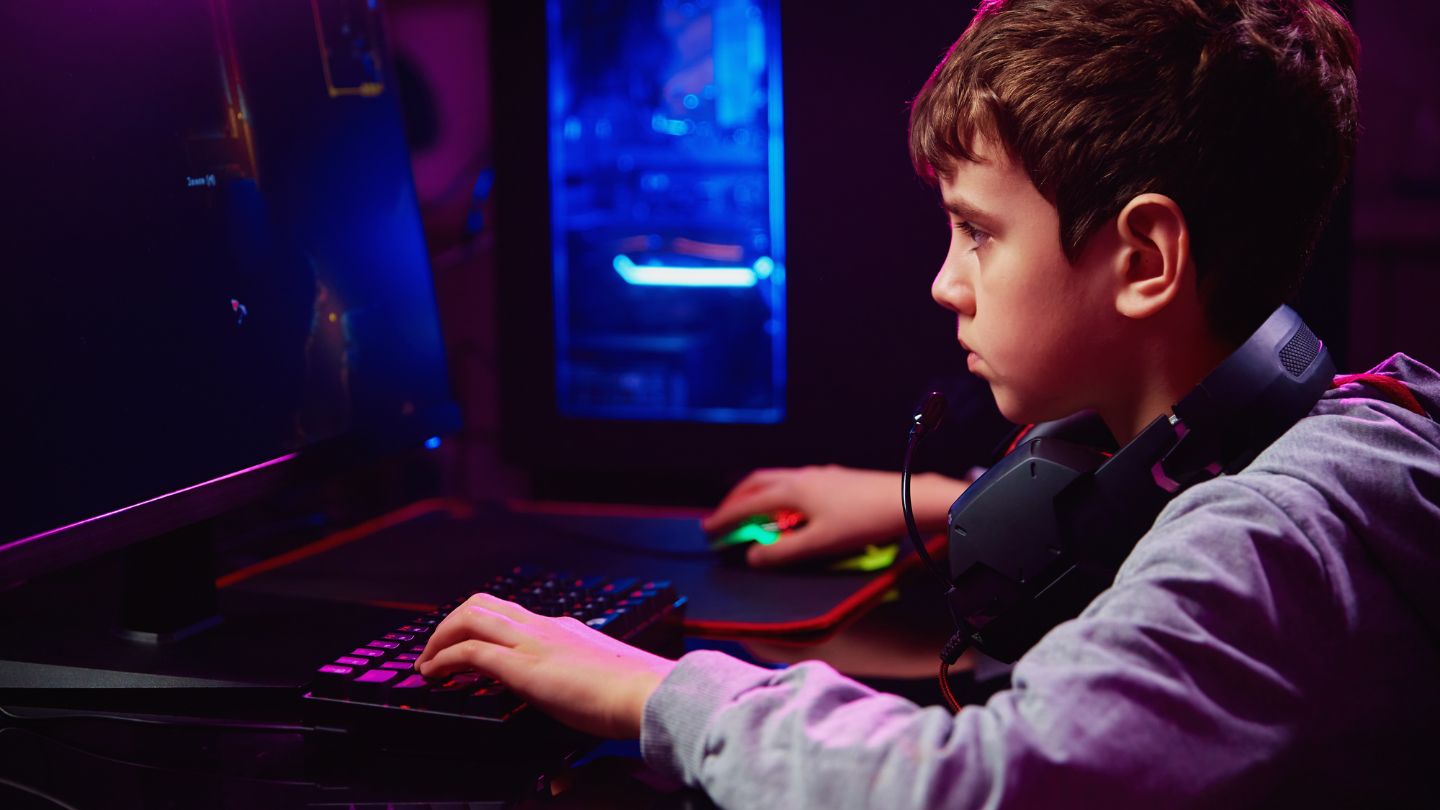
Gaming addiction in children is a growing concern in modern society. The widespread availability of video games and technological advancements have increased the risk of children developing unhealthy attachments to gaming. Internet gaming disorder, as it is formally known, is characterized by excessive and compulsive use of video games, resulting in negative impacts on various aspects of a child’s life.
Parents and caregivers should be knowledgeable about the signs and symptoms of gaming addiction to address the issue early and prevent further harm to the child’s well-being. Video games are attractive to children due to their interactive and immersive nature, offering a form of escape and entertainment. However, when gaming becomes excessive and interferes with a child’s daily activities, it may indicate a more serious problem.
Gaming addiction can negatively affect a child’s physical, mental, and emotional health, as well as their social and academic performance. It is essential for parents to actively recognize the warning signs of gaming addiction and take appropriate measures to address the issue before it worsens.
Understanding the Early Warning Signs of Gaming Addiction
Recognizing the Warning Signs
There are several early warning signs that parents and caregivers should be mindful of when it comes to identifying potential gaming addiction in children. One common warning sign is an increasing preoccupation with video games, where a child may constantly talk about or think about gaming, even when not playing.
Neglect of Other Activities
This preoccupation can lead to a neglect of other activities and responsibilities, such as schoolwork, chores, or social interactions. Another early warning sign is a loss of interest in activities that the child previously enjoyed. If a child starts to withdraw from hobbies, sports, or social events in favor of spending more time playing video games, it could be a red flag for gaming addiction.
Changes in Mood and Behavior
Additionally, changes in mood and behavior, such as irritability, restlessness, or agitation when not able to play games, can indicate an unhealthy attachment to gaming. It is important for parents to pay attention to these early warning signs and take them seriously, as they can be indicative of a deeper issue that requires intervention.
Behavioral Changes in Children with Gaming Addiction
Children with gaming addiction may exhibit a range of behavioral changes that can be concerning for parents and caregivers. One common behavioral change is an increase in secrecy and lying about the amount of time spent playing video games. Children may go to great lengths to hide their gaming habits, such as sneaking in extra game time when parents are not around or lying about the content of the games they are playing.
This secrecy can be a sign of shame or guilt associated with their gaming behavior. Another behavioral change is a decline in academic performance and neglect of responsibilities. Children with gaming addiction may struggle to focus on schoolwork, leading to declining grades and academic performance.
They may also neglect household chores or other responsibilities in favor of spending more time playing video games. Additionally, children with gaming addiction may become more irritable and agitated when not able to play games, leading to conflicts with parents and caregivers. It is important for parents to be attentive to these behavioral changes and address them proactively to prevent further negative consequences.
Physical Symptoms of Gaming Addiction in Children
In addition to behavioral changes, children with gaming addiction may also experience physical symptoms as a result of excessive gaming. Prolonged periods of sitting and staring at a screen can lead to physical health issues such as eye strain, headaches, and fatigue. Children may also experience musculoskeletal problems from poor posture and repetitive movements while gaming, such as carpal tunnel syndrome or back pain.
These physical symptoms can have a significant impact on a child’s overall well-being and should not be overlooked. Furthermore, excessive gaming can lead to irregular eating habits and poor nutrition, as children may prioritize gaming over meals or snacks. This can result in weight gain or loss, as well as deficiencies in essential nutrients that are necessary for growth and development.
In severe cases, children with gaming addiction may also experience sleep disturbances, such as insomnia or disrupted sleep patterns, due to late-night gaming sessions. It is important for parents to be mindful of these physical symptoms and take steps to address them through healthy habits and lifestyle changes.
Psychological Effects of Gaming Addiction in Children
The psychological effects of gaming addiction in children can be profound and far-reaching. Excessive gaming can lead to heightened levels of stress, anxiety, and depression in children, as they become increasingly isolated and disconnected from the real world. The immersive nature of video games can create a sense of escapism for children, but it can also lead to a distorted perception of reality and difficulty coping with real-life challenges.
Children with gaming addiction may also experience mood swings, irritability, and difficulty regulating their emotions. Furthermore, excessive gaming can impact a child’s cognitive functioning, including attention span, memory, and problem-solving skills. Children may struggle to concentrate on tasks outside of gaming and may exhibit impulsive behavior or poor decision-making abilities.
Additionally, prolonged exposure to violent or aggressive content in video games can desensitize children to real-life violence and lead to an increase in aggressive behavior. It is crucial for parents to be aware of these psychological effects and seek professional help if necessary to support their child’s mental well-being.
Social and Academic Impact of Gaming Addiction in Children
Social Implications
Children with gaming addiction often become increasingly isolated from their friends and family as they prioritize gaming over social interactions. This isolation can lead to feelings of loneliness, alienation, and a lack of social support, which can further exacerbate the child’s attachment to gaming as a coping mechanism.
Academic Consequences
In addition to social implications, gaming addiction can also impact a child’s academic performance and future prospects. Excessive gaming can lead to a decline in school attendance, poor grades, and difficulty concentrating on schoolwork. This can have long-term consequences for the child’s educational attainment and future career opportunities.
Impact on Time Management and Organization
Furthermore, children with gaming addiction may struggle with time management and organizational skills, leading to difficulties in balancing their academic responsibilities with their gaming habits.
How to Address and Prevent Gaming Addiction in Children
Addressing and preventing gaming addiction in children requires a multi-faceted approach that involves open communication, setting boundaries, and promoting healthy alternatives. Parents should start by having open and honest conversations with their children about the potential risks and consequences of excessive gaming. It is important for parents to listen to their child’s perspective and concerns without judgment, while also setting clear expectations and boundaries around gaming habits.
Setting limits on screen time and establishing designated times for gaming can help prevent excessive use of video games. Parents should encourage their children to engage in a variety of activities outside of gaming, such as sports, hobbies, or creative pursuits, to promote a balanced lifestyle. It is also important for parents to lead by example and demonstrate healthy screen habits themselves.
In addition to setting boundaries, parents should also monitor their child’s online activity and ensure that they are engaging in age-appropriate content. It is important for parents to stay informed about the games their child is playing and be mindful of any potential negative influences or harmful content. Seeking professional help from therapists or counselors can also be beneficial for children struggling with gaming addiction, as it provides them with the necessary support and coping strategies.
Overall, addressing and preventing gaming addiction in children requires proactive involvement from parents and caregivers, as well as a supportive and understanding approach towards the child’s well-being. By being attentive to the early warning signs of gaming addiction and taking steps to address the issue early on, parents can help their children develop healthy habits and maintain a balanced lifestyle that promotes overall well-being.