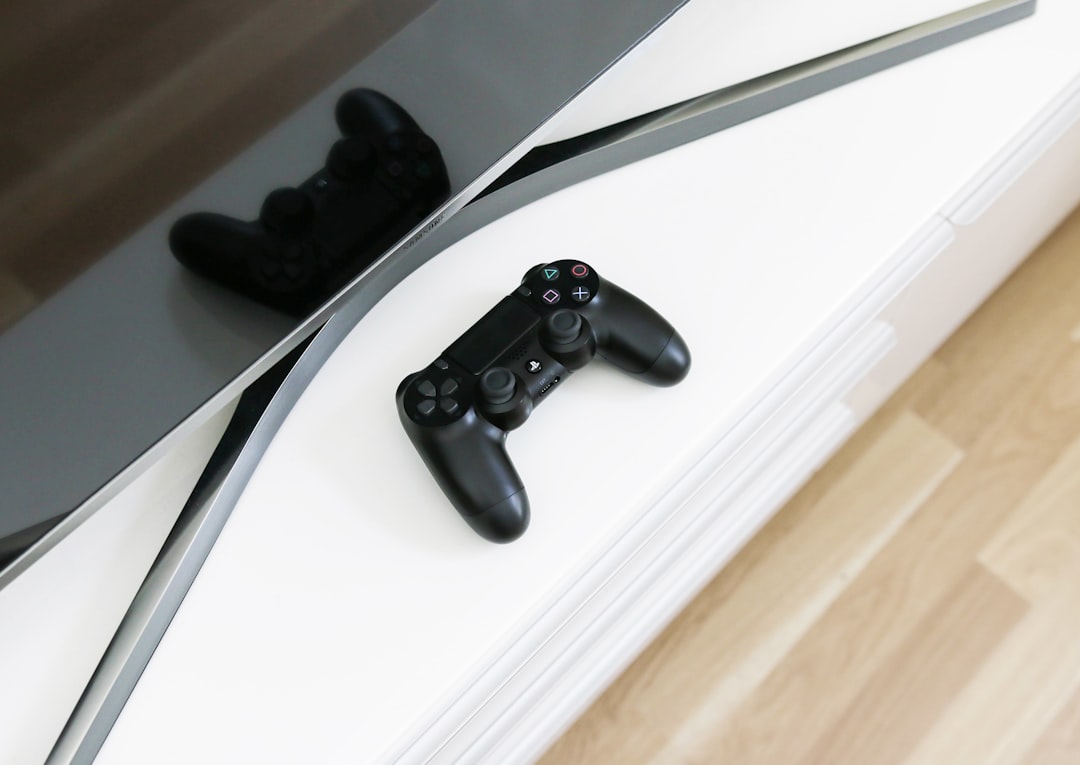
Gaming addiction can significantly impact physical health. Prolonged periods of sedentary behavior associated with excessive gaming can lead to various health issues, including obesity, cardiovascular problems, and musculoskeletal disorders. Poor posture, eye strain, and headaches are common complaints among individuals who spend extended hours gaming.
Sleep patterns are often disrupted by gaming addiction, as individuals may sacrifice sleep to continue playing. This can result in sleep deprivation and fatigue, which negatively affect overall physical health. Adequate sleep is crucial for the body’s rest and repair processes.
In severe cases, gaming addiction may lead to neglect of personal hygiene and nutrition, as gaming takes priority over basic self-care. This neglect can further compromise physical well-being. The social isolation often accompanying gaming addiction can also indirectly affect physical health.
Reduced real-life social interactions can impact mental health, which in turn influences physical health. Recognizing the potential physical health consequences of gaming addiction is essential for addressing and mitigating these issues. Proactive measures should be taken to maintain a balanced lifestyle and prevent the negative impacts of excessive gaming on physical health.
Sedentary Risks Associated with Gaming Addiction
The Consequences of Prolonged Sitting
When individuals become addicted to gaming, they often spend extended periods sitting in front of a screen, leading to a lack of physical activity. This sedentary lifestyle can contribute to a range of health problems, including obesity, diabetes, and cardiovascular disease.
The Impact on Musculoskeletal Health
Prolonged sitting can lead to poor posture and musculoskeletal issues, such as back and neck pain. Moreover, excessive screen time can strain the eyes and lead to headaches and vision problems. The blue light emitted from screens can disrupt sleep patterns, leading to sleep deprivation and fatigue.
The Far-Reaching Consequences of Sedentary Behavior
This sedentary behavior can also lead to a lack of exposure to natural light and fresh air, further impacting overall physical health. Furthermore, the sedentary nature of gaming addiction can lead to a decrease in overall fitness levels and muscle strength. Without regular physical activity, individuals may experience a decline in their physical capabilities, making it more challenging to engage in everyday activities.
It is crucial to recognize the sedentary risks associated with gaming addiction and take proactive measures to combat these issues.
Strategies for Combating Sedentary Risks in Gamers
There are several strategies that can be implemented to combat the sedentary risks associated with gaming addiction. One approach is to incorporate regular breaks and movement into gaming sessions. Setting a timer to remind oneself to take a break every hour can help reduce prolonged sitting and encourage movement.
During these breaks, individuals can engage in simple stretching exercises or take a short walk to get their blood flowing and reduce the risk of musculoskeletal issues. Another strategy is to invest in ergonomic gaming furniture and equipment. This includes using a comfortable chair with proper lumbar support and positioning the gaming monitor at eye level to reduce strain on the neck and eyes.
Additionally, using wrist supports and maintaining proper hand positioning on the keyboard or controller can help prevent repetitive strain injuries. It is also important to create a conducive gaming environment that promotes physical activity. This can include setting up a designated gaming area with ample space for movement and incorporating standing or adjustable desks to allow for periods of standing while gaming.
Furthermore, incorporating active gaming options such as virtual reality or motion-controlled games can encourage physical movement while gaming.
Incorporating Physical Activity into Gaming Routines
Incorporating physical activity into gaming routines is essential for combating the sedentary risks associated with gaming addiction. One way to achieve this is by integrating exercise into gaming sessions through active gaming options such as dance or fitness games. These games require players to move their bodies and can provide a fun way to stay active while gaming.
Another approach is to schedule regular exercise sessions before or after gaming sessions. Engaging in activities such as walking, jogging, or strength training can help counteract the sedentary nature of gaming and promote overall physical health. Additionally, participating in team sports or group fitness classes can provide social interaction and physical activity outside of gaming.
Furthermore, incorporating movement breaks into gaming sessions can help reduce prolonged sitting and promote physical activity. Simple activities such as stretching, yoga, or calisthenics can be performed during breaks to keep the body active and prevent stiffness from prolonged sitting. It is important to find a balance between gaming and physical activity to maintain overall health and well-being.
Creating a Balanced Gaming Lifestyle
Creating a balanced gaming lifestyle is crucial for maintaining physical health while indulging in gaming activities. One way to achieve this balance is by setting limits on gaming time and prioritizing other activities such as exercise, social interactions, and hobbies. Establishing a schedule that includes dedicated time for physical activity, socializing, and relaxation can help create a well-rounded lifestyle.
Another approach is to practice mindful gaming by being aware of posture, screen time, and breaks during gaming sessions. Maintaining good posture, taking regular breaks, and limiting screen time can help reduce the negative impact of prolonged gaming on physical health. Additionally, incorporating healthy snacks and staying hydrated during gaming sessions can contribute to overall well-being.
It is also important to seek support from friends and family to maintain a balanced gaming lifestyle. Engaging in multiplayer games with friends or participating in gaming communities can provide social interaction and support while enjoying gaming activities. Furthermore, involving friends or family members in physical activities outside of gaming can help create a balanced and healthy lifestyle.
Seeking Professional Help for Gaming Addiction
Understanding the Underlying Reasons
Therapy sessions can help you identify the underlying reasons for your gaming addiction and develop coping strategies to manage your behavior. Cognitive-behavioral therapy (CBT) has proven to be effective in treating addictive behaviors by addressing thought patterns and behaviors related to gaming addiction. Additionally, support groups or peer counseling can provide you with a sense of community and understanding while working towards overcoming gaming addiction.
Intensive Treatment Options
In severe cases of gaming addiction, residential treatment programs or rehabilitation centers specializing in behavioral addictions may be necessary. These programs offer intensive therapy, structure, and support to help you break free from your addictive behaviors and regain control over your life.
Importance of Seeking Help
It is essential for individuals struggling with gaming addiction to seek professional help to address the impact on their physical health and overall well-being. With the right support and guidance, you can overcome gaming addiction and regain control over your life.
Promoting Awareness and Education about Gaming Addiction and Physical Health
Promoting awareness and education about gaming addiction and its impact on physical health is crucial for addressing this growing issue. Educating individuals about the potential risks associated with excessive gaming can help prevent the development of addictive behaviors and encourage healthy gaming habits. This includes raising awareness about the sedentary risks of prolonged sitting, eye strain from excessive screen time, and the importance of maintaining a balanced lifestyle.
Furthermore, promoting open discussions about gaming addiction and its impact on physical health can help reduce stigma and encourage individuals to seek help when needed. This can be achieved through community events, workshops, and educational campaigns that provide information about the signs of gaming addiction and available resources for support. In addition, integrating education about healthy gaming habits into school curriculums and parenting resources can help instill good habits from a young age.
Teaching children about the importance of balancing screen time with physical activity, social interactions, and other hobbies can help prevent the development of addictive gaming behaviors. Overall, promoting awareness and education about gaming addiction and its impact on physical health is essential for addressing this issue at both individual and societal levels. By increasing understanding and providing resources for support, we can work towards creating a healthier relationship with gaming and promoting overall well-being for all individuals.