When it comes to building strength and achieving your fitness goals, the emphasis is often on how much weight you can lift, how far you can run, or the number of hours spent working out. Yet, an often-overlooked aspect of fitness is muscle recovery and muscle health. A crucial question arises for fitness enthusiasts and athletes alike—does alcohol affect muscle recovery? The answer, rooted in both science and experience, is a clear and emphatic “yes.” This blog will not only explore how alcohol use directly impacts the recovery process but will also provide strategies for avoiding setbacks.
Understanding Muscle Recovery and Muscle Health
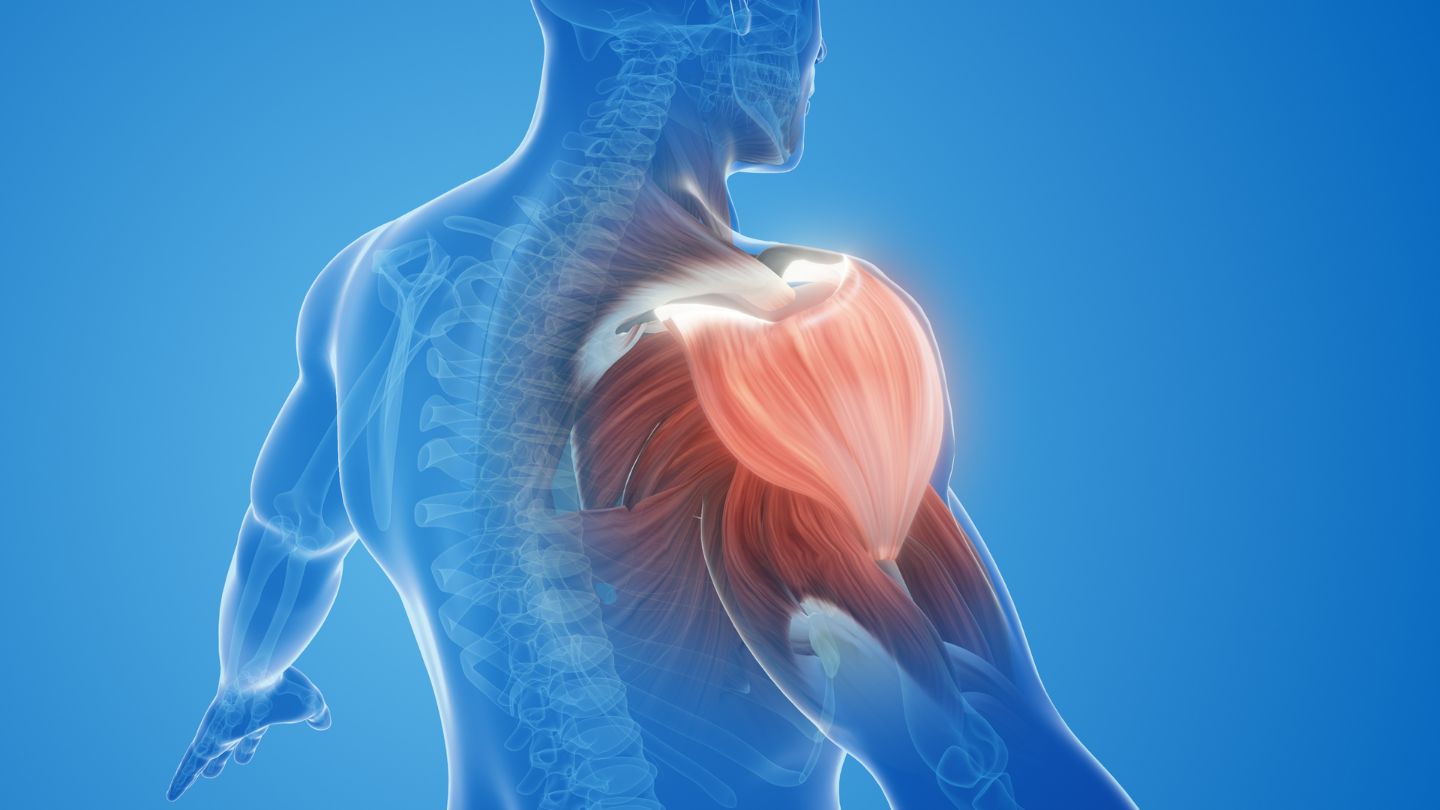
Muscle recovery is the process your body undergoes to repair and rebuild muscle tissue that has been damaged during exercise. When you engage in physical activity like resistance training or endurance exercises, your muscles experience micro-tears. These micro-tears are a necessary part of muscle development, as they signal your body to repair and grow stronger. Optimal muscle function and muscle health depend on this recovery process being effective and timely.
Critical components that support recovery include staying hydrated, getting enough protein for muscle building, and ensuring restful sleep. However, various factors, including alcohol use, can disrupt this natural repair mechanism and negatively impact muscle health. To understand why, we must examine how alcohol interacts with the body’s ability to recover.
Read more: How Do Drugs and Alcohol Affect the Brain and Central Nervous System?
The Fundamental Role of Muscle Protein Synthesis
Central to muscle recovery and muscle gain is a process called muscle protein synthesis. This is the body’s mechanism for repairing muscle damage and creating new muscle tissue to improve overall muscle mass and strength. After you work out, your body requires essential amino acids derived from protein to fuel this process. When muscle protein synthesis is inhibited—which alcohol use can cause—it delays muscle development and weakens the body’s ability to repair itself effectively. Even one night of drinking alcohol can significantly reduce the efficiency of muscle protein synthesis.
Skeletal Muscle and Alcohol’s Impact
Your skeletal muscles are the voluntary muscles attached to your bones that allow for movement and physical activity. When skeletal muscle is exposed to excessive alcohol consumption, its recovery slows. Alcohol consumption impacts muscle strength, coordination, and flexibility due to delayed repair of skeletal muscle tissue. This can lead to long-term issues like muscle weakness and even conditions such as alcoholic myopathy, a condition where long-term alcohol use results in muscle wasting.
The Science of Alcohol and Recovery

Some direct ways in which alcohol impacts muscle health include the interruption of hydration, hormonal imbalance, and impaired nutrient absorption:
- Dehydration and Muscle Cramps – Alcohol is a diuretic that speeds up fluid loss through urination. Hydration plays an essential role in reducing muscle soreness, preventing muscle cramps, and supporting muscle function. Dehydration caused by alcohol ingestion hinders these processes.
- Hormonal Disruption – Alcohol suppresses the production of testosterone and human growth hormone (HGH), both of which are critical to muscle growth and repair. A reduction in these hormones hinders muscle protein synthesis and overall muscle gain.
- Poor Nutrient Absorption – Protein intake is essential to muscle building, but alcohol interferes with your digestive system’s ability to absorb and metabolize these nutrients properly. This results in slowed muscle repair and muscle development.
- Chronic Muscle Damage and Muscle Pain – People who frequently consume alcohol after workouts often experience prolonged muscle pain and increased muscle inflammation. The heightened inflammation is counterproductive to recovery and can even lead to muscle weakness if compounded by chronic alcohol ingestion.
Binge Drinking and Prolonged Effects
Binge drinking carries its own risks to muscle health. It not only exacerbates muscle soreness and cramps but can also weaken muscles over time through sustained damage to muscle tissue. Excessive alcohol use does more than impair short-term recovery; it threatens your long-term fitness goals by reducing muscle mass and stalling the recovery process.
Alcohol, Sleep, and Fitness Goals
While you sleep, your body completes much of its muscle recovery, including protein synthesis and the repair of muscle damage. Alcohol severely disrupts REM sleep, the deeply restorative phase of sleep critical for rejuvenating skeletal muscle. Interrupted recovery during sleep will inevitably harm your fitness goals.
Read more: What are the lifestyle changes in Addiction Recovery?
Alcohol Use and Broader Health Implications
The negative effects of drinking alcohol are not limited to the gym. Alcohol use carries ripple effects throughout the body, affecting everything from cardiovascular health to skin and mental well-being. For instance, prolonged alcohol use may have a negative impact on your skin, oxidative stress, and other organs.
Chronic alcohol consumption increases your chances of developing conditions like alcoholic myopathy, where muscle mass is progressively lost over time. Skeletal muscle groups are particularly vulnerable, making it not just a fitness issue but a broader health concern.
This might lead you to wonder how substances or behaviors, such as heroin, affect your mental health. The stakes are even higher in these cases, further emphasizing the importance of maintaining a lifestyle that prioritizes overall well-being and mindfulness in choices.
Read more: How Does Heroin Abuse Affect Your Mental Health?
Strategies for Preventing Recovery Setbacks
Although alcohol use can harm muscle recovery, you don’t necessarily need to give up drinking altogether to make progress in your fitness efforts. However, moderation, planning, and awareness are key. Here are some tips to reduce the impact of alcohol on muscle recovery:
- Plan Your Drink Timing – Avoid consuming alcohol immediately after a workout when your body is in its peak protein synthesis phase. Allow several hours for recovery before drinking alcohol.
- Stay Hydrated – Combine every alcoholic beverage with a glass of water. This helps offset dehydration, prevent muscle cramps, and safeguard muscle function.
- Mind Your Portions – Stick to moderate drinking. The Centers for Disease Control (CDC) defines moderate alcohol use as one drink daily for women and two for men.
- Prioritize Sleep – If you do drink, balance it out by prioritizing deep, restorative sleep. Avoid screens and stimulants like caffeine before bed.
- Enhance Protein Intake – Consuming plenty of lean protein is vital for maximizing muscle protein synthesis. Be sure to maintain a diet rich in nutrients that support skeletal muscle recovery.
The Role of Sports Medicine
For athletes and fitness enthusiasts alike, sports medicine emphasizes the importance of avoiding substances, such as alcohol, that can impair muscle function. Treatments in sports medicine often highlight the significance of hydration, nutrition, and proper sleep to promote muscle building and reduce recovery times.
Seeking professional advice can be a turning point if you’re unsure how alcohol fits into your fitness plan. Consulting a sports medicine expert or nutritionist might also help address concerns regarding muscle inflammation and recovery processes.
Read more: The Role of Nutrition Therapy in Addiction Recovery
Recovery and Taking Control
Suppose you’ve realized that alcohol use conflicts with your fitness goals; it’s time to take proactive steps toward recovery—not just for your muscles but for your overall well-being. Muscle recovery isn’t just about preventing short-term pain; it’s about creating a long-term strategy that aligns with your physical activity goals and ensures optimal muscle mass, function, and strength.
Alcohol recovery is more than abstinence—it involves reclaiming your life by prioritizing physical, mental, and emotional health. If alcohol addiction is part of your story, there are resources and support systems that can offer guidance on the road to recovery.
Final Thoughts
Does alcohol affect muscle recovery? Without a doubt. Its impact ranges from impaired muscle protein synthesis to long-term muscle weakness and reduced muscle function. While occasional drinking may not completely derail your fitness goals, consistent or excessive alcohol use can significantly set you back. By making informed choices and giving your body the best chance to recover, you can stay on track toward your fitness aspirations.
Contact us today to learn more about our alcohol recovery options that focus on holistic health and empowering you to make informed choices. For more guidance on recovery and inspiration, you can listen to our transformational podcast on alcohol recovery. Your health and fitness goals are not just dreams—they’re achievable paths that start with mindful daily decisions.