
The Beginning of an Epic Journey
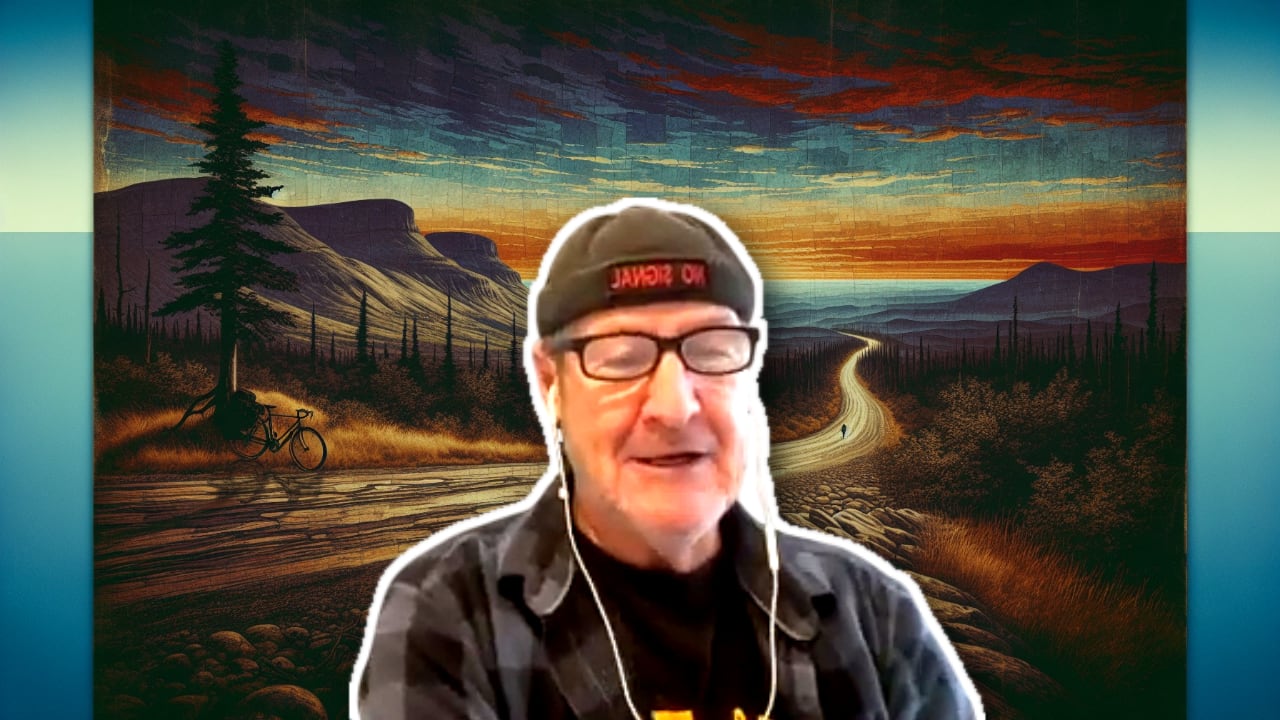
Paul Perrier started his cross-Canada bicycle journey on Canada Day 2024. Moreover, he chose a secondhand gravel bike for this ambitious 5,500-kilometer expedition.
The filmmaker spent 66 days documenting landscapes and human stories across the country. In addition, he used this opportunity to raise awareness for mental health initiatives.
Perrier covered impressive distances of 100 to 140 kilometers each day on his bicycle. Furthermore, his choice of a traditional bike instead of an e-bike created a more authentic experience.
His equipment consisted of two bags and a pannier for the entire journey. Consequently, this minimalist approach allowed for greater mobility throughout the expedition.
The weather proved remarkably cooperative during the two-month journey. For instance, Perrier encountered only one day of rain and experienced just a single flat tire.
Motivation Behind the Adventure
The COVID-19 lockdowns sparked Perrier’s desire to explore Canada’s current state. As a result, he combined this exploration with promoting his memoir, “Cracked Wide Open.”
His background in addiction documentation provided valuable perspective for the journey. Similarly, his experience with filmmaking helped shape the project’s direction.
Modern technology made lightweight documentation possible for the entire trip. Therefore, Perrier could capture professional-quality footage using just an iPhone and a 360-degree camera.
The timing aligned perfectly with advances in mobile recording equipment. However, the simple technology enhanced rather than complicated the documentary process.
Social awareness drove many aspects of the journey’s documentation. As a result, Perrier focused on capturing both natural beauty and community challenges.
The Cross-Country Route
The journey began with an eastward ride from Toronto to Saint John’s, Newfoundland. Subsequently, Perrier flew to Vancouver to begin the return trip to Toronto.
The Trans-Canada Highway served as his primary path across the nation. However, he occasionally explored back roads to connect with local communities.
Highway travel initially caused some safety concerns for the cyclist. On the other hand, consistent terrain and helpful tailwinds made highway riding efficient.
Each night involved planning the next day’s route based on weather and services. Furthermore, this flexibility allowed for spontaneous detours and discoveries.
Local recommendations often led to unexpected and memorable experiences. Consequently, the route evolved into a mix of planned and serendipitous encounters.
Daily Routines and Survival
Early morning starts helped Perrier take advantage of calmer wind conditions. Moreover, these dawn departures launched eight to nine hours of daily cycling.
He alternated between camping at scenic sites and staying at modest motels. Therefore, this approach balanced cost savings with necessary comfort.
A small tent and sleeping bag provided essential shelter throughout the journey. Additionally, these basic items allowed for comfortable wilderness camping.
Daily decisions focused on food, rest stops, and final destinations. Furthermore, this flexibility added spontaneity to the travel experience.
Modern navigation tools simplified many logistical challenges. As a result, Perrier could focus more on documentation than route-finding.
Overcoming Physical Challenges
The prairie regions presented significant challenges with powerful headwinds in Saskatchewan. Moreover, these conditions often felt like cycling directly into an invisible wall.
An unexpected detour led Perrier onto a remote logging road in New Brunswick. Consequently, this isolated stretch tested both his equipment and determination.
Each province brought unique environmental obstacles to navigate. Furthermore, the varied terrain required constant adaptation to new conditions.
Long-distance cycling demanded careful attention to physical recovery each day. Therefore, Perrier developed specific routines to maintain his stamina throughout the journey.
The secondhand gravel bike performed reliably across all terrains. Additionally, its simple design helped minimize mechanical problems during the trek.
Documenting Social Issues
Vancouver’s Hastings Street revealed concentrated areas of homelessness and addiction. In addition, this location highlighted significant changes in urban social challenges.
People freely shared personal stories of struggle and recovery with Perrier. Furthermore, these spontaneous conversations added authentic perspectives to his documentation.
Natural beauty often contrasted sharply with urban social challenges. Therefore, this juxtaposition became a central theme in Perrier’s documentary.
A young bike shop worker shared his experience with prescription medication dependency. Moreover, this candid conversation illustrated how addiction affects everyday lives.
Different provinces showed varying approaches to similar social challenges. As a result, Perrier captured diverse community responses to shared problems.
Creating the Documentary
The iPhone and 360-degree camera combination proved ideal for mobile documentation. Consequently, Perrier captured authentic moments without cumbersome equipment.
His filming technique evolved naturally throughout the journey. Moreover, the focus shifted from basic survival to intentional storytelling.
Regular review of footage helped shape the documentary’s narrative direction. Therefore, Perrier could adjust his approach as themes emerged.
The combination of regular and 360-degree footage created immersive perspectives. Additionally, these varying viewpoints enhanced the documentary’s visual impact.
Post-production work in Kelowna transformed raw footage into a coherent story. Furthermore, the editing process revealed unexpected connections throughout the journey.
Spiritual Dimensions
Perrier’s Catholic background influenced his view of the journey as a pilgrimage. Moreover, this perspective shaped his interpretation of various encounters.
Long hours of solitary cycling provided time for personal reflection. Therefore, Perrier could process experiences on both physical and spiritual levels.
Many coincidental meetings suggested deeper meaning to Perrier. Furthermore, these encounters strengthened his belief in spiritual guidance.
Natural beauty often created moments of profound spiritual significance. In addition, light became a recurring theme throughout the journey.
Each challenge presented opportunities for personal growth and understanding. Consequently, the journey took on deeper meaning beyond physical achievement.
Capturing Canadian Landscapes
Each province displayed unique characteristics through varied landscapes. Moreover, the transition between regions created natural chapter breaks in the story.
The Rocky Mountains offered dramatic opportunities for visual documentation. Furthermore, morning light on mountain peaks created spectacular filming conditions.
Prairie provinces revealed beauty through vast horizons and dramatic skies. Similarly, these open spaces provided striking contrast to mountainous regions.
Coastal areas added maritime elements to the documentary’s visual narrative. Additionally, reaching Newfoundland’s Signal Hill marked a significant milestone.
Modern camera technology preserved both sweeping vistas and intimate details. Therefore, viewers can experience Canada’s diversity through Perrier’s lens.
Future Impact and Plans
Current post-production work focuses on crafting an engaging narrative. Moreover, the documentary balances scenic beauty with social commentary.
A GoFundMe campaign currently supports the project’s completion and distribution. Furthermore, contributors will receive credit recognition in the final film.
Perrier plans to tour with both the film and his book in 2025. Additionally, these presentations will include interactive discussions about the journey.
The documentary aims to reach audiences beyond Canadian borders. Therefore, universal themes of challenge and discovery will connect with diverse viewers.
Success from this journey has inspired ideas for future projects. Consequently, Perrier continues exploring ways to combine adventure with social documentation.


