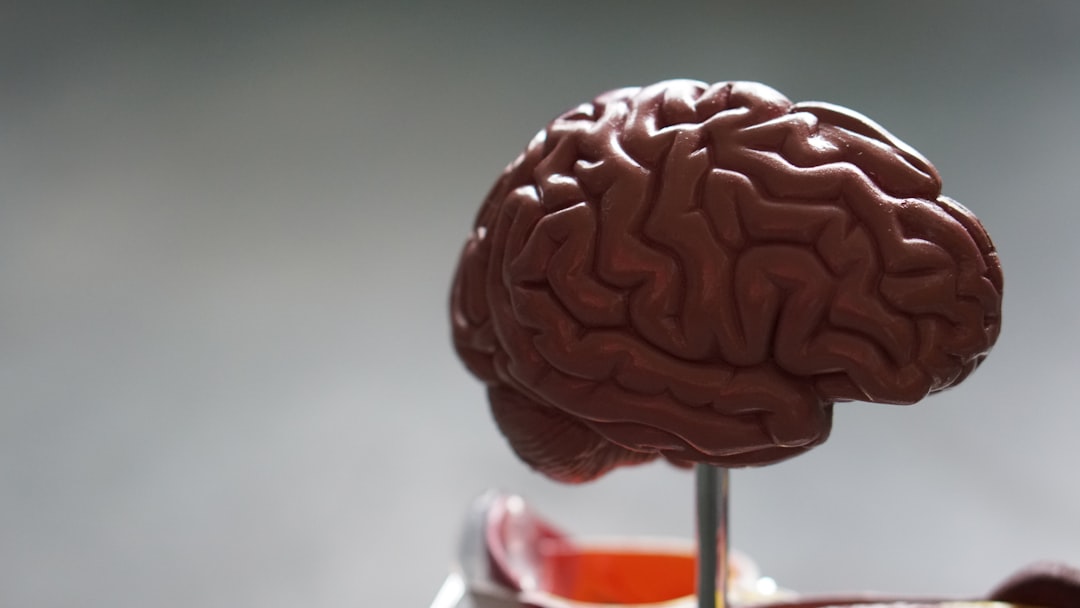
The brain’s reward system is a complex network of neural pathways that reinforces behaviors essential for survival, such as eating, drinking, and reproduction. This system is primarily regulated by the neurotransmitter dopamine. When engaging in pleasurable or rewarding activities, dopamine is released in the brain, creating a sense of pleasure and reinforcing the behavior.
This reinforcement encourages repetition of the behavior, promoting survival. The reward system also plays a role in regulating mood, motivation, and decision-making. When functioning properly, it helps individuals seek out and engage in activities beneficial for their well-being.
However, dysregulation of this system can lead to maladaptive behaviors, including addiction. Understanding the brain’s reward system is crucial for comprehending the underlying mechanisms of addiction and developing effective treatment approaches. This knowledge can inform strategies for promoting healthy behaviors and addressing problematic patterns related to reward-seeking behaviors.
The Role of Dopamine in Addiction
Dopamine is a neurotransmitter that plays a key role in the brain’s reward system and is heavily involved in addiction. When we engage in activities that are pleasurable or rewarding, such as using drugs or alcohol, dopamine is released in the brain, creating a feeling of pleasure and reinforcing the behavior. Over time, repeated drug use can lead to changes in the brain’s reward system, causing it to become dysregulated.
This dysregulation can lead to a decrease in dopamine receptors and a decrease in the natural production of dopamine, leading to a decreased ability to experience pleasure from natural rewards. The role of dopamine in addiction is complex and multifaceted. While dopamine release is involved in the initial pleasurable effects of drug use, it also plays a role in the development of tolerance and dependence.
As drug use continues, the brain becomes less responsive to natural rewards, leading to an increased drive to seek out drugs to experience pleasure. Understanding the role of dopamine in addiction is crucial for developing effective treatment approaches that target the dysregulated reward system and help individuals recover from addiction.
Read More: Dopamine Fasting: Reset Your Brain’s Reward System
The Impact of Chronic Drug Use on Brain Structure
Chronic drug use can have profound effects on brain structure and function. Drugs of abuse can alter the structure and function of key brain regions involved in reward processing, decision-making, and impulse control. For example, chronic cocaine use has been shown to lead to changes in the structure and function of the prefrontal cortex, a brain region involved in decision-making and impulse control.
These changes can lead to impaired decision-making and increased impulsivity, making it difficult for individuals to control their drug use. In addition to altering brain structure, chronic drug use can also lead to changes in neural connectivity and communication between brain regions. For example, chronic alcohol use has been shown to disrupt communication between the prefrontal cortex and other brain regions involved in reward processing, leading to an increased drive to seek out alcohol and decreased ability to control alcohol consumption.
Understanding the impact of chronic drug use on brain structure is crucial for developing effective treatment approaches that target these neural changes and help individuals recover from addiction.
Read More: The Addicted Brain: Neurochemistry of Substance Use
Neuroplasticity and Addiction
Neuroplasticity refers to the brain’s ability to reorganize itself by forming new neural connections throughout life. This process plays a crucial role in learning and memory and is also involved in addiction. Chronic drug use can lead to changes in neural plasticity, altering the way that neural circuits function and communicate with each other.
For example, chronic opioid use has been shown to lead to changes in synaptic plasticity in key brain regions involved in reward processing, leading to an increased drive to seek out opioids and decreased ability to experience pleasure from natural rewards. Understanding neuroplasticity is crucial for developing effective treatment approaches for addiction. By targeting the dysregulated neural circuits involved in addiction, it may be possible to reverse some of the neural changes caused by chronic drug use and help individuals recover from addiction.
Additionally, understanding neuroplasticity may also lead to the development of new pharmacological and behavioral interventions that target these neural changes and help individuals overcome addiction.
Read More: Rewiring the Brain: Neuroplasticity in Addiction Recovery
The Role of Stress and Emotions in Addiction
Stress and emotions play a significant role in addiction. Chronic stress can lead to dysregulation of the brain’s stress response system, leading to an increased risk of developing addiction. Additionally, stress can also trigger relapse in individuals who are recovering from addiction by increasing cravings for drugs or alcohol.
Emotions also play a significant role in addiction by influencing decision-making and impulse control. For example, negative emotions such as anxiety or depression can increase the likelihood of engaging in maladaptive behaviors such as drug use as a way of coping with these emotions. Understanding the role of stress and emotions in addiction is crucial for developing effective treatment approaches.
By targeting the dysregulated stress response system and addressing maladaptive coping strategies for dealing with emotions, it may be possible to help individuals recover from addiction and prevent relapse. Additionally, understanding how stress and emotions influence addiction may also lead to the development of new interventions that target these factors and help individuals overcome addiction.
Read More: How Sobriety Improves Anxiety and Depression Over Time
Treatment Approaches Based on Neuroscience
Advances in neuroscience have led to the development of new treatment approaches for addiction that target the underlying neural mechanisms of addiction. For example, pharmacological interventions that target specific neurotransmitter systems involved in addiction have shown promise in helping individuals recover from addiction by reducing cravings and withdrawal symptoms. Additionally, behavioral interventions that target dysregulated neural circuits involved in addiction have also shown promise in helping individuals overcome addiction by promoting healthy behaviors and coping strategies.
Understanding how chronic drug use alters brain structure and function has also led to new treatment approaches that aim to reverse some of these neural changes caused by addiction. For example, neurofeedback therapy uses real-time monitoring of brain activity to train individuals to regulate their own brain activity, potentially reversing some of the dysregulated neural circuits involved in addiction. Advances in neuroscience have led to the development of new treatment approaches for addiction that target the underlying neural mechanisms of addiction.
For example, pharmacological interventions that target specific neurotransmitter systems involved in addiction have shown promise in helping individuals recover from addiction by reducing cravings and withdrawal symptoms. Additionally, behavioral interventions that target dysregulated neural circuits involved in addiction have also shown promise in helping individuals overcome addiction by promoting healthy behaviors and coping strategies. Understanding how chronic drug use alters brain structure and function has also led to new treatment approaches that aim to reverse some of these neural changes caused by addiction.
For example, neurofeedback therapy uses real-time monitoring of brain activity to train individuals to regulate their own brain activity, potentially reversing some of the dysregulated neural circuits involved in addiction.
The Future of Addiction Research
The future of addiction research holds great promise for developing new interventions based on our growing understanding of the neuroscience of addiction. Advances in neuroimaging techniques have allowed researchers to study how chronic drug use alters brain structure and function with unprecedented detail, leading to new insights into how addiction affects the brain. Additionally, advances in genetics research have led to new insights into how genetic factors contribute to addiction vulnerability, potentially leading to new personalized treatment approaches based on an individual’s genetic profile.
Read More: Lloyd Sederer, M.D.: A Leader In Public Health Discusses The Future Of Addiction Treatment
In conclusion, understanding the neuroscience of addiction is crucial for developing effective treatment approaches that target the underlying neural mechanisms of addiction. By understanding how chronic drug use alters brain structure and function, we can develop new interventions that aim to reverse some of these neural changes caused by addiction and help individuals recover from addiction. Additionally, understanding how stress and emotions influence addiction may also lead to new interventions that target these factors and help individuals overcome addiction.
The future holds great promise for developing new interventions based on our growing understanding of the neuroscience of addiction through advances in neuroimaging techniques and genetic research. The Rehab continues to explore how science and innovation are shaping the future of addiction recovery and mental health. For more information or to connect with our team, contact us today.