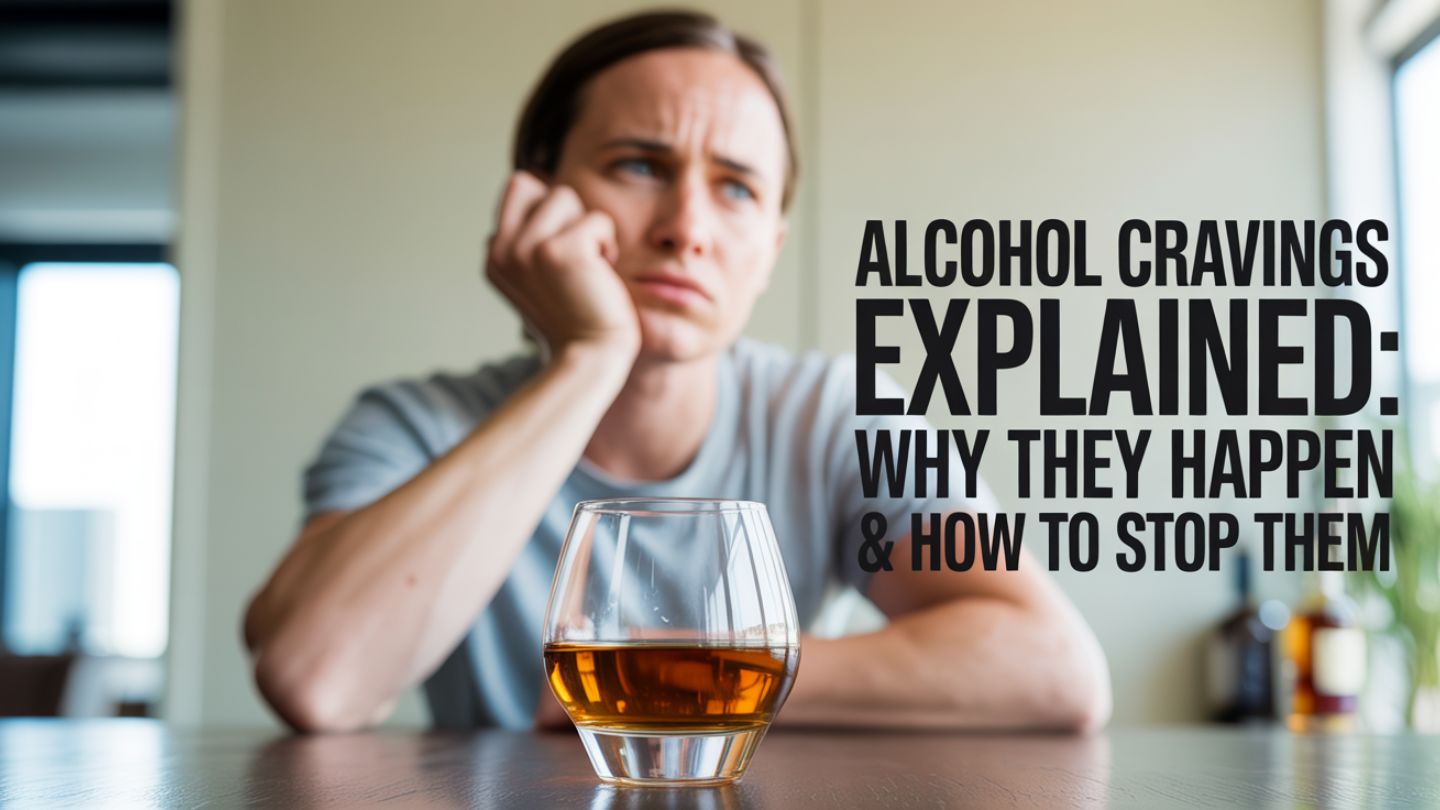
Alcohol cravings can feel overwhelming, confusing, and discouraging—especially for individuals working toward sobriety or managing alcohol use disorder. These urges are not a sign of weakness or lack of willpower. Instead, they are the result of complex biological, psychological, and behavioral processes shaped by repeated alcohol use over time. Understanding alcohol cravings explained: why they happen and how to stop them is a powerful step toward lasting recovery and improved behavioral health.
For many people, craving alcohol becomes one of the most persistent challenges during alcohol addiction recovery. Whether cravings appear during alcohol withdrawal, early sobriety, or long after drinking has stopped, professional addiction treatment plays a critical role in helping individuals manage cravings safely and effectively.
What Is an Alcohol Craving?
An alcohol craving is a strong desire or urge to drink alcohol. Cravings may feel physical, emotional, or mental, and they can vary in intensity from mild thoughts about drinking to an intense craving that feels difficult to resist. Craving alcohol is common among individuals with alcohol dependence or alcohol use disorder, particularly during periods of stress, emotional discomfort, or exposure to triggers associated with past drinking.
Alcohol cravings are closely linked to how the brain adapts to regular alcohol consumption. Over time, repeated drinking changes how the brain processes reward, motivation, and stress, reinforcing patterns that drive continued alcohol use.
The Connection Between Alcohol and the Brain
Alcohol directly affects dopamine levels in the brain. Dopamine is a neurotransmitter involved in pleasure, motivation, and reinforcement. When drinking alcohol, dopamine is released, creating a sense of reward that the brain remembers. With continued alcohol use, the brain begins to associate alcohol intake with relief, comfort, or pleasure.
As alcohol misuse continues, the brain becomes less responsive to natural sources of dopamine, increasing reliance on alcohol to feel balanced. This neurological shift contributes to alcohol addiction and explains why cravings can persist even after drinking stops. Ongoing research continues to explore broader health implications, including whether drinking alcohol raises the risk of stroke in individuals with long-term alcohol use.
Why Alcohol Cravings Happen
Alcohol cravings happen for several interconnected reasons. One major factor is physical dependence. When alcohol consumption becomes frequent or heavy, the body adapts to its presence. During alcohol withdrawal, the absence of alcohol disrupts brain chemistry, triggering withdrawal symptoms and strong cravings as the body attempts to restore balance.
Blood sugar fluctuations can also play a role. Alcohol affects how the body regulates blood sugar, and drops in blood sugar may intensify cravings, particularly during early recovery. Emotional and environmental factors further reinforce cravings, especially when alcohol has been used as a coping mechanism.
Internal and External Triggers
Cravings are often activated by triggers. Internal triggers include emotional states such as stress, anxiety, boredom, or sadness. These internal triggers are closely tied to behavioral health and can increase the urge to drink alcohol when emotional regulation feels difficult.
External triggers involve people, places, or situations associated with past drinking. Social events, certain times of day, or familiar routines linked to alcohol use can spark a strong craving. Understanding these triggers is an important part of managing alcohol cravings effectively.
Alcohol Use Disorder and Cravings

Alcohol use disorder is a chronic condition characterized by an impaired ability to stop or control alcohol use despite negative consequences. For individuals with alcohol use disorder, cravings are a central feature of the disorder. The brain’s reward system has been conditioned to expect alcohol, making urges more frequent and intense.
Alcohol dependence further strengthens these cravings, particularly during alcohol withdrawal and early sobriety. This is why structured addiction treatment and professional support are essential for long-term recovery. Understanding the different types of alcoholics can help explain why craving patterns and recovery needs vary from person to person.
Alcohol Withdrawal and Craving Intensity
Alcohol withdrawal occurs when someone who has been drinking heavily or consistently reduces or stops alcohol intake. During this period, withdrawal symptoms may emerge, including heightened anxiety, restlessness, and intense craving. Alcohol withdrawal symptoms reflect the nervous system recalibrating after prolonged alcohol use.
Cravings during withdrawal can feel urgent and consuming. Alcohol detox in a professional setting helps manage these symptoms safely while providing support that reduces the risk of relapse during this vulnerable stage.
The Role of Behavioral Conditioning
Cravings are not purely physical. Behavioral conditioning plays a major role in why cravings persist. Over time, the brain learns to associate alcohol with specific emotions, environments, or rewards. These learned associations can trigger cravings even when physical dependence has subsided.
This is why individuals may experience strong cravings months or years into sobriety. Addressing these learned patterns requires therapeutic intervention, not just abstinence.
Managing Alcohol Cravings Through Treatment
Managing alcohol cravings effectively requires a comprehensive approach. Professional addiction treatment addresses both the biological and behavioral components of craving. Treatment plans often include therapy, medical oversight, and structured recovery support tailored to individual needs.
Behavioral therapies help individuals identify triggers, understand craving patterns, and develop healthier responses. These approaches support long-term addiction recovery by reshaping how the brain responds to stress and reward without alcohol.
The Importance of Medical and Clinical Support

Alcohol cravings are best managed within a clinical framework that recognizes alcohol use disorder as a medical condition. Alcohol rehab programs provide structured environments where cravings can be addressed safely, especially during early recovery.
Medical support during alcohol detox and withdrawal helps stabilize the body and reduce craving intensity. Ongoing treatment reinforces coping strategies and strengthens resilience against relapse.
Psychological Strategies Used in Treatment
Addiction treatment programs use evidence-based psychological strategies to help individuals manage cravings. These approaches focus on awareness, emotional regulation, and behavioral change. One commonly used concept in treatment is urge surfing, which teaches individuals to observe cravings without acting on them, allowing urges to pass naturally.
These techniques are taught and reinforced in therapy, ensuring individuals are supported as they build confidence in managing cravings over time.
Cravings, Relapse, and Recovery
Cravings do not mean failure. They are a normal part of addiction recovery and decrease in intensity and frequency with time and treatment. Understanding that cravings are temporary and manageable helps reduce fear and shame associated with them.
Relapse prevention planning is a core part of addiction treatment. This planning helps individuals recognize early warning signs, respond effectively to cravings, and stay connected to recovery resources.
The Role of Support Systems
Recovery from alcohol addiction is strengthened by connection and support. Peer-based recovery programs, including alcoholics anonymous, offer community and accountability that many individuals find valuable. These programs complement professional treatment by reinforcing sobriety-focused lifestyles.
Support systems help individuals navigate challenging moments, especially when cravings arise unexpectedly.
Long-Term Sobriety and Brain Healing
With sustained sobriety, the brain gradually heals from the effects of alcohol misuse. Dopamine regulation improves, stress responses normalize, and cravings become less intrusive. While the timeline varies, many individuals experience significant improvement in craving management as recovery progresses.
This healing process highlights why patience and continued engagement in addiction treatment are essential. Recovery is not immediate, but it is achievable. Many people in recovery wonder how long after quitting alcohol does your body heal, as physical and neurological systems gradually regain balance.
Why Professional Help Matters
Attempting to manage alcohol cravings without professional help can be challenging and risky, particularly for individuals with alcohol dependence or a history of heavy drinking. Professional addiction treatment offers structure, expertise, and compassionate care that addresses the full scope of alcohol use disorder.
Treatment programs are designed to support both short-term stabilization and long-term sobriety. They recognize that managing cravings is a process that requires ongoing support, education, and care. Physical healing is also an important consideration in recovery, particularly when examining whether alcohol affects muscle recovery during sustained sobriety.
Moving Forward With Clarity, Support, and Lasting Change
Understanding why alcohol cravings happen and how they can be managed is a powerful step toward sustainable healing. Cravings are not a personal failing; they are a natural response shaped by brain chemistry, behavioral patterns, and past alcohol use. With the right knowledge, structure, and professional guidance, cravings can become more manageable over time. As individuals learn to respond to urges with healthier coping strategies and consistent support, the path toward stability, confidence, and long-term alcohol recovery becomes clearer and more achievable.
At The Rehab, we are committed to helping individuals take meaningful steps forward through compassionate, evidence-based care. We invite you to take the next step with us and explore supportive resources for alcohol recovery that align with your goals and experiences. Our educational and recovery-focused podcasts, including the sobriety podcast, oxycodone addiction podcast, buprenorphine podcast, morphine addiction podcast, and naloxone podcast, are designed to support ongoing learning, motivation, and connection. We are here to support you with trusted information, personalized care, and a clear path toward lasting recovery and well-being.