You are currently viewing Why Doctors Recommend the Best Morphine Addiction Podcast

Morphine, a potent opioid analgesic, is primarily used to manage severe pain, particularly in medical settings such as post-surgical recovery or cancer treatment. However, its effectiveness in pain relief comes with a significant risk of addiction. Morphine addiction occurs when individuals develop a psychological and physical dependence on the drug, often leading to compulsive use despite harmful consequences.

The brain’s reward system is heavily influenced by morphine, as it binds to opioid receptors, releasing dopamine and creating feelings of euphoria. This pleasurable experience can lead users to seek out the drug repeatedly, resulting in a cycle of dependency. The transition from legitimate medical use to addiction can be insidious.

Many individuals begin taking morphine as prescribed, but over time, they may find themselves increasing their dosage to achieve the same pain-relieving effects or euphoric high. Tolerance builds, and withdrawal symptoms can emerge when the drug is not available, further entrenching the cycle of addiction. Symptoms of withdrawal can include anxiety, nausea, muscle pain, and insomnia, making it difficult for individuals to quit without professional help.

Understanding the nature of morphine addiction is crucial for both those affected and their loved ones, as it highlights the need for compassion and support in the recovery process.

The Importance of Seeking Help

Seeking Help is a Sign of Strength

Seeking help is not a sign of weakness; rather, it demonstrates strength and a desire for change. Professional treatment options are available that can provide the necessary support and resources to navigate the challenging path to recovery.

Treatment for Morphine Addiction

Treatment for morphine addiction often involves a combination of medical intervention and therapeutic support. Medical professionals may prescribe medications to help manage withdrawal symptoms and cravings, while counseling and support groups can address the psychological aspects of addiction.

A Comprehensive Approach to Recovery

Engaging in therapy allows individuals to explore the underlying issues that may have contributed to their substance use, such as trauma or mental health disorders. By seeking help, individuals can access a comprehensive approach to recovery that addresses both the physical and emotional components of addiction.

The Benefits of Listening to a Podcast

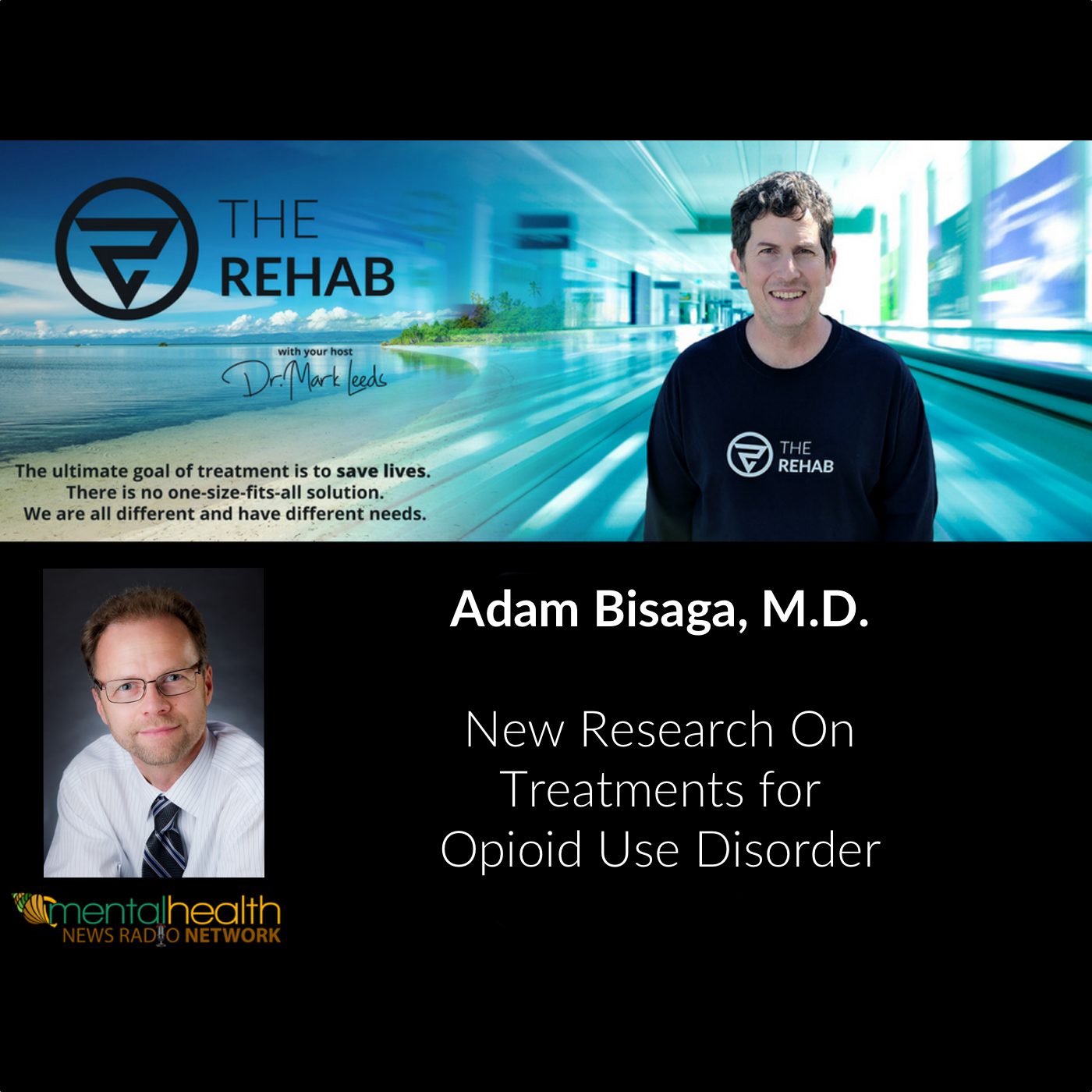
In recent years, podcasts have emerged as a popular medium for sharing information and personal stories related to various topics, including addiction recovery. Listening to a podcast about morphine addiction can provide valuable insights and foster a sense of community among listeners who may be struggling with similar issues. One of the primary benefits of podcasts is their accessibility; individuals can listen at their convenience, whether during a commute, while exercising, or at home.

This flexibility allows for a more personalized approach to learning about addiction and recovery. Podcasts often feature expert interviews, personal narratives, and discussions about coping strategies that can resonate with listeners on a deep level. Hearing firsthand accounts from those who have experienced morphine addiction can be particularly powerful, as it helps to normalize the struggles associated with substance use disorders.

Additionally, many podcasts offer practical advice on navigating recovery, including tips for managing cravings and building a support network. By engaging with this medium, individuals can gain knowledge and inspiration that may motivate them to take action in their own lives.

Finding the Best Morphine Addiction Podcast

With the growing popularity of podcasts, there are numerous options available for those seeking information on morphine addiction. However, not all podcasts are created equal; it is essential to find those that are credible and provide valuable content. When searching for the best morphine addiction podcast, consider factors such as the host’s qualifications, the depth of information presented, and the overall production quality.

Podcasts hosted by professionals in the field of addiction treatment or recovery often provide reliable insights and evidence-based information. Additionally, look for podcasts that feature diverse perspectives on addiction and recovery. Some may focus on clinical approaches, while others might emphasize personal stories or holistic methods.

A well-rounded podcast will incorporate various viewpoints and experiences, allowing listeners to find what resonates with them personally. Reviews and recommendations from trusted sources can also guide listeners in selecting podcasts that align with their needs and interests. Engaging with high-quality content can enhance understanding and foster a sense of connection during the recovery journey.

Expert Advice and Insights

Experts in the field of addiction treatment offer invaluable insights into the complexities of morphine addiction and recovery. Many professionals emphasize the importance of a comprehensive treatment plan that addresses both physical dependence and psychological factors. For instance, Dr. Nora Volkow, director of the National Institute on Drug Abuse (NIDA), has highlighted how effective treatment must consider individual differences in genetics, environment, and co-occurring mental health disorders. This personalized approach can significantly improve outcomes for those struggling with addiction. Moreover, experts often stress the significance of ongoing support during recovery. Relapse is common among individuals recovering from opioid addiction, making it crucial to have a robust support system in place. This may include participation in support groups such as Narcotics Anonymous (NA) or engaging with mental health professionals who specialize in addiction therapy. Additionally, experts advocate for education about addiction for both individuals in recovery and their loved ones. Understanding the nature of addiction can foster empathy and reduce stigma, creating an environment conducive to healing.

Personal Stories of Recovery

The Dark Reality of Addiction

These narratives often highlight the struggles faced during active addiction—such as isolation, shame, and loss. For example, one individual might recount their experience of being prescribed morphine after surgery only to find themselves spiraling into addiction within months.

The Turning Point

They may describe the moment they realized they needed help—perhaps after a close friend intervened or after experiencing a near-overdose. Their story could detail the steps they took toward recovery: entering a rehabilitation program, attending therapy sessions, and finding solace in support groups where they connected with others facing similar challenges.

A Beacon of Hope

Such stories not only inspire hope but also provide practical insights into what recovery looks like in real life.

Tips for Supporting a Loved One

Supporting a loved one struggling with morphine addiction can be challenging yet profoundly impactful. One of the most important things to remember is that addiction is a disease; it is not a reflection of character or willpower. Approaching your loved one with empathy and understanding is crucial in fostering an environment where they feel safe seeking help.

Open communication is key; encourage them to share their feelings without judgment while expressing your concern for their well-being. Setting healthy boundaries is also essential when supporting someone with an addiction. While it is natural to want to help your loved one, enabling behaviors—such as providing financial support or covering up their substance use—can inadvertently prolong their struggle with addiction.

Instead, focus on encouraging them to seek professional help while offering your unwavering support throughout their recovery journey. Educating yourself about morphine addiction can also empower you to provide informed support and understand what your loved one is experiencing.

Resources for Further Support

Numerous resources are available for individuals struggling with morphine addiction and their loved ones seeking support. National organizations such as the Substance Abuse and Mental Health Services Administration (SAMHSA) offer helplines and treatment locator services that can connect individuals with local resources tailored to their needs. Additionally, websites like NIDA provide comprehensive information on opioid addiction, including prevention strategies and treatment options.

Support groups play an essential role in recovery as well; organizations like Narcotics Anonymous (NA) offer peer-led meetings where individuals can share their experiences and find encouragement from others who understand their struggles. Online forums and social media groups dedicated to addiction recovery can also provide valuable community support for those who may feel isolated in their journey. By utilizing these resources, individuals can access the tools necessary for healing while fostering connections that promote lasting recovery from morphine addiction.